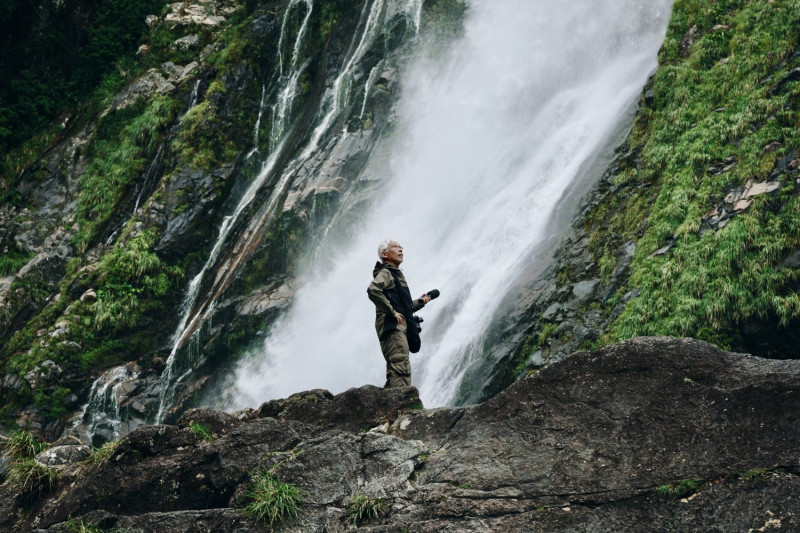
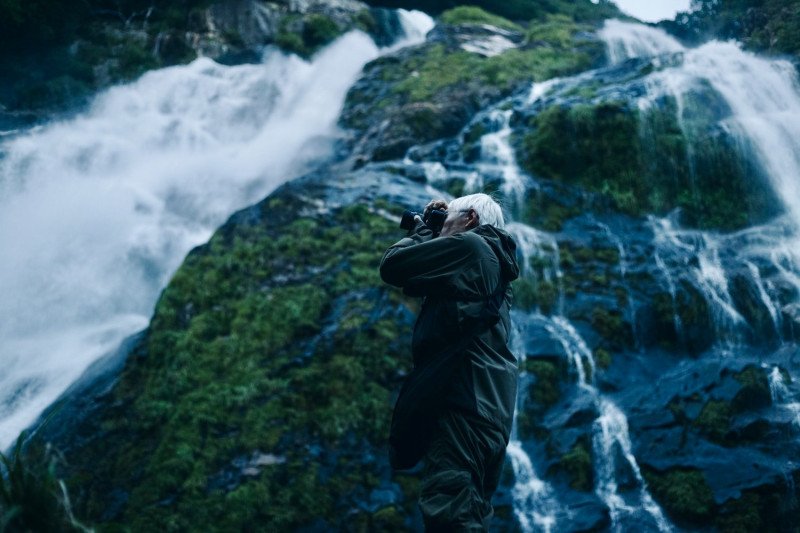
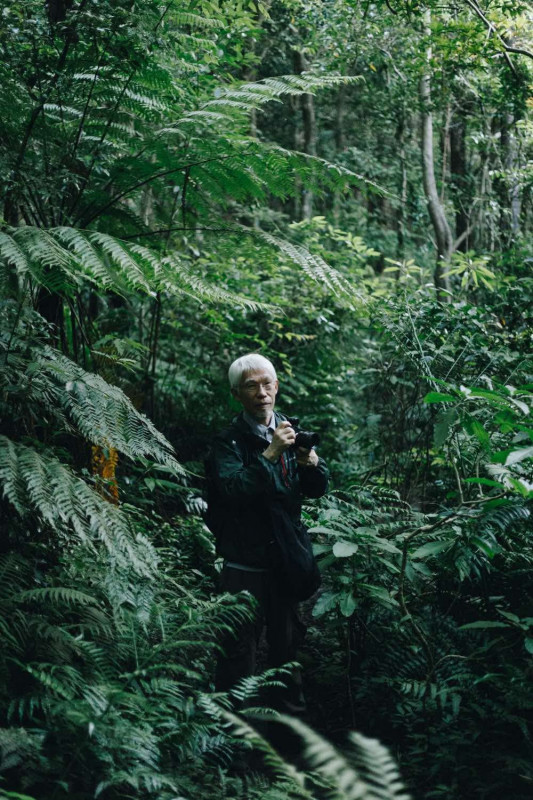
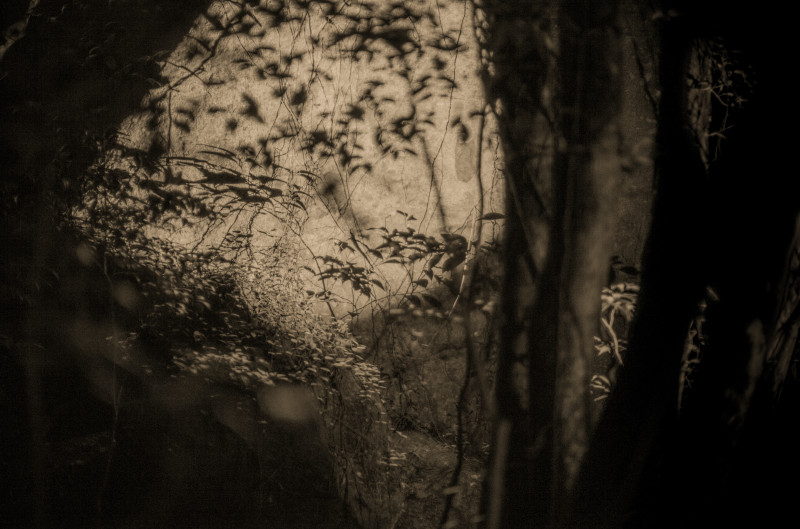
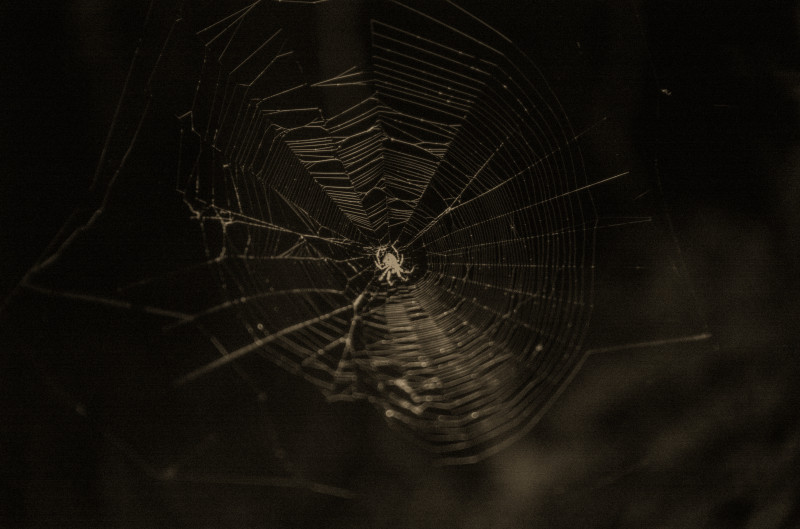
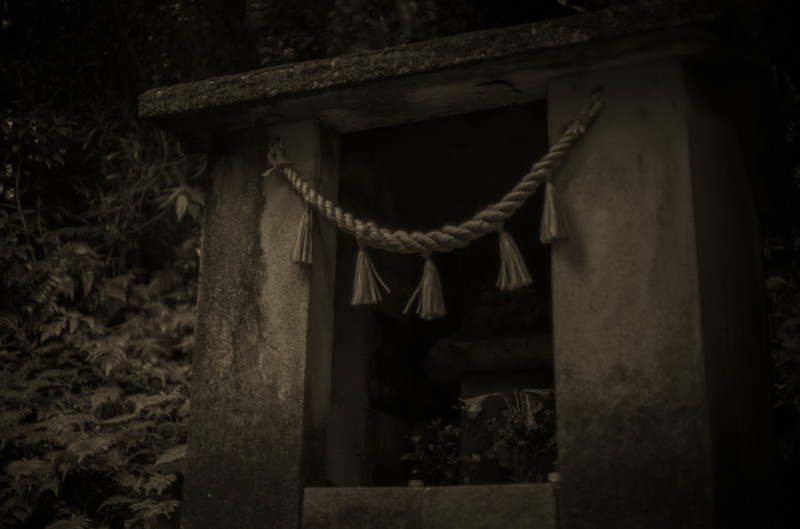
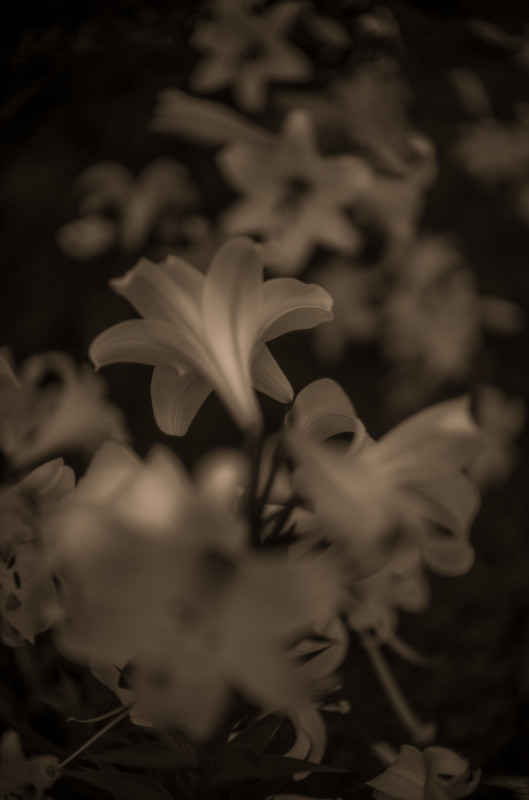
This year, for the first time, LFI is collaborating with the Yakushima Photography Festival (YPF). As part of this joint undertaking, Japanese photographer Satoru Watanabe went on an artist residency to Yakushima to realise his Noctchrome project.
The small Japanese island of Yakushima is a Unesco World Heritage Site. Its fascinating nature is defined by ancient forests of millennial Japanese cedars – a true paradise for trees, but also a stress test for a photographer’s equipment. We spoke with Satoru Watanabe about his project and the associated challenges.
LFI: Mr Watanabe, can you explain a little about the background behind your Noctchrome project?
Satoru Watanabe: With pleasure. My first visit to Yakushima was in 2005 when I was invited to the Yakushima Photography Festival (YPF). Since then, I have returned there nine times. This time I had the honour of participating in an Artist in Residence Programme, organised as part of the collaboration between LFI and the YPF. The stay only lasted two weeks – an incredibly short amount of time to create a complete work.
What were you considering when you took on the project?
From the moment when I agreed, I began to ask myself what I was going to photograph. Many photographers have already produced impressive work in Yakushima. What could I produce in such a short time, which would go beyond what had already been done? With over ten years of visits, the impression that always remained strongest for me was the forest. It is one of the few untouched, primeval forests in Japan – a place where you can hear the voice of nature. This mysterious landscape even inspired the setting for the animation movie, Princess Mononoke [Ed. by Hayao Miyazaki and his Studio Ghibli].
What kind of thoughts came to you when photographing in this setting?
Whenever I was in the forest, I often felt, “This is a world of Japanese ink brush painting.” With this thought in mind, I visited a number of exhibitions of Japanese brush painting in Tokyo before going to the residency. In particular, I looked at work from the early to mid-Edo period [Ed. 1603–1868], so that it might be absorbed into my own imagery. However, on the very first day I stepped into the forest, I couldn't find the world I was looking for anywhere.
While I was struggling with what to do, a friend who accompanied me looked at my Leica lens, a Noctilux 50mm f/0.95 and remarked, “Noctilux means night light.” At that moment, an idea came to me: I could photograph the forest at night. This thought also gave rise to the title of the series – Noctchrome: a word I coined to describe the fleeting interval between night and morning. In the moment when day begins, the world is bathed in a matt, muted light. That colourless moment is precisely the world of Noctchrome.
What was your first nighttime outing into the forest like?
The next day, at three in the morning, we went into the pitch-black forest. There was no light, and you couldn’t see anything. As we walk on guided by torches, we were surrounded by insect noises. At 4:30 they suddenly fell silent, and the birds began to sing. At that moment, something emerged out of the darkness. I hit the shutter release of my M10 Monochrom. A faint but undeniable image of the forest appeared on the monitor. In that twilight moment, when the human eye perceives the world in black and white, I had finally found the Japanese ink brush painting world I had been searching for. Bold outlines, flat compositions with little contrast, an all-over surface without a central subject – this was even more like ink brush painting than I had imagined. From then on, I scouted locations during the day, and at 3 a.m. each morning returned to the forest until the final day of the residency.
Were there particular external conditions that influenced your work?
Yakushima is known for its heavy rainfall, with the saying: “it rains eight days a week”. This meant that dealing with rain was always part of the process. I never carried the camera exposed, always in a small shoulder bag, and took care to prevent the lens from fogging with droplets.
What equipment did you use for Noctchrome?
I brought the M11 and M10 Monochrom with me, along with a number of lenses with focal lengths between 20 and 50 mm. In the end, the only combination I used for the actual work was the M10 Monochrom with the Noctilux 50mm f/0.95. I didn’t use a tripod; every shot was handheld. ISO was raised up to 64,000 to capture the faintest light. Focusing in near total darkness was extremely difficult – sometimes I illuminated the subject with a flashlight and used the EVF, other times I relied purely on intuition.
David Rojkowski
Yakushima Photography Festival+-
The Noctchrome project will be on display from October 12 to 26, 2025, within the framework of the Yakushima Photography Festival at Gajumaru Park on Yakushima.
LFI 7.2025+-
Find further information in LFI Magazine 7.2025. More
Satoru Watanabe+-
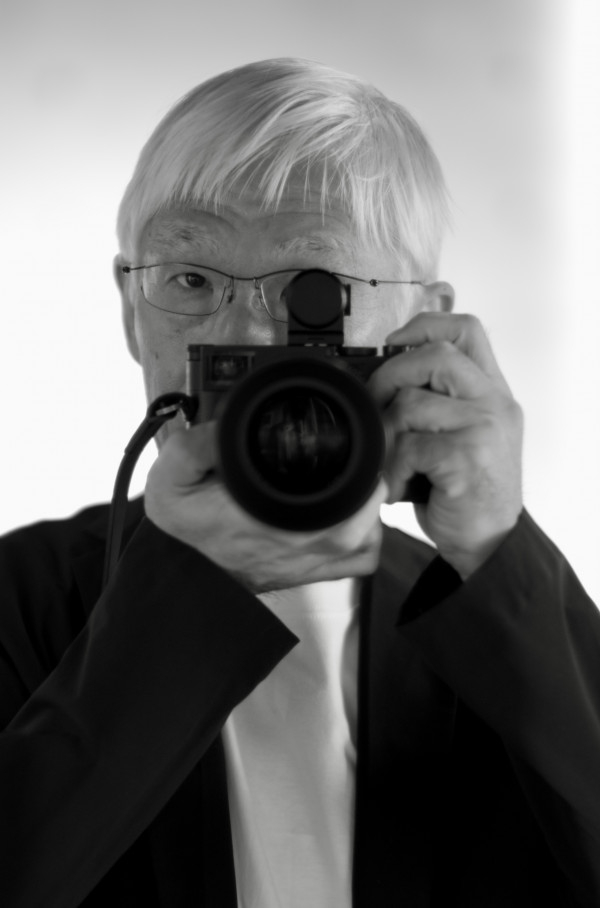
Born in Yonezawa, Yamagata Prefecture, Japan, in 1961, Satoru Watanabe graduated from the Faculty of Art at Nihon University in Tokyo with a degree in Photography. Watanabe is the recipient of the Special Prize at the 33rd Society of Photography Award (Shashin-no-Kai Shō). His works are included in the collections of the Tokyo Photographic Art Museum and the Musée du quai Branly in Paris, among others. He currently teaches as a lecturer at Keio University Graduate School. His notable photo books include da.gasita (Toseisha), prana (Toseisha) and inception (Fugensha). His most recent publications also include The Power to Photograph, The Power to See (Toru Chikara Miru Chikara, Hobby Japan). More