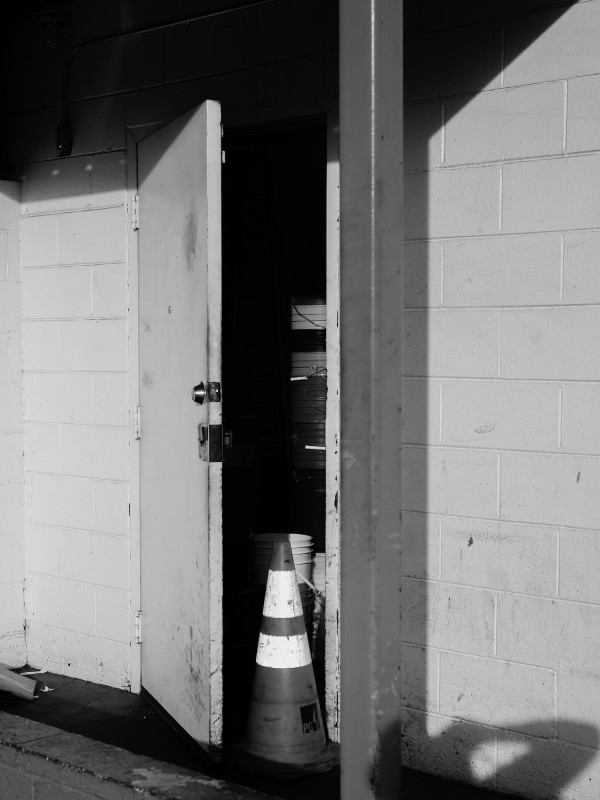
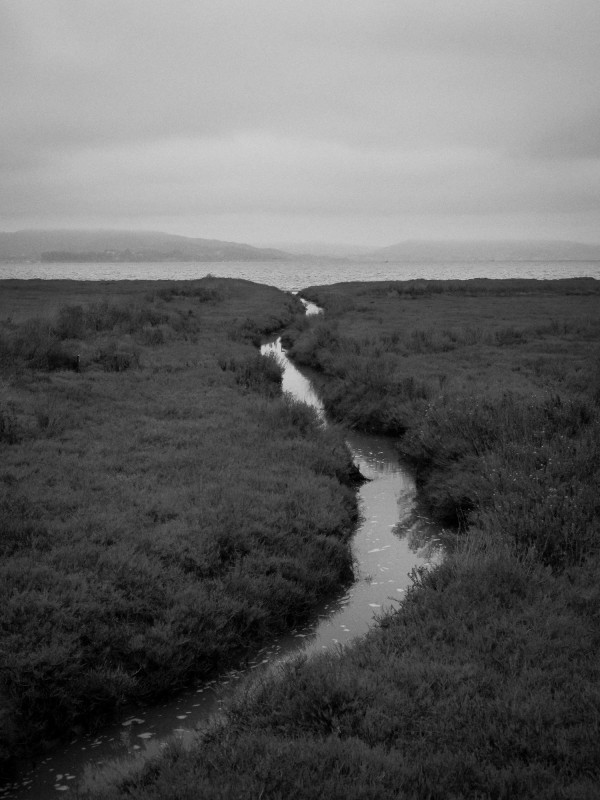
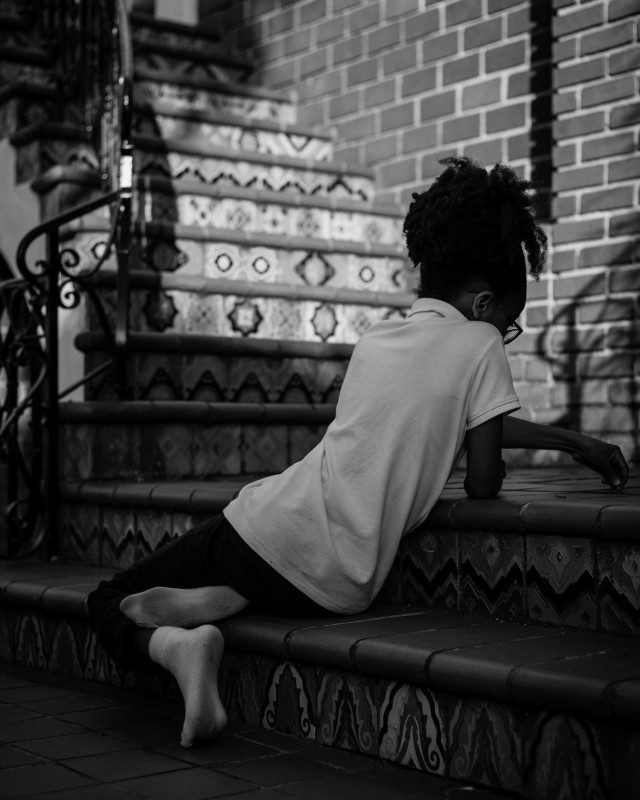
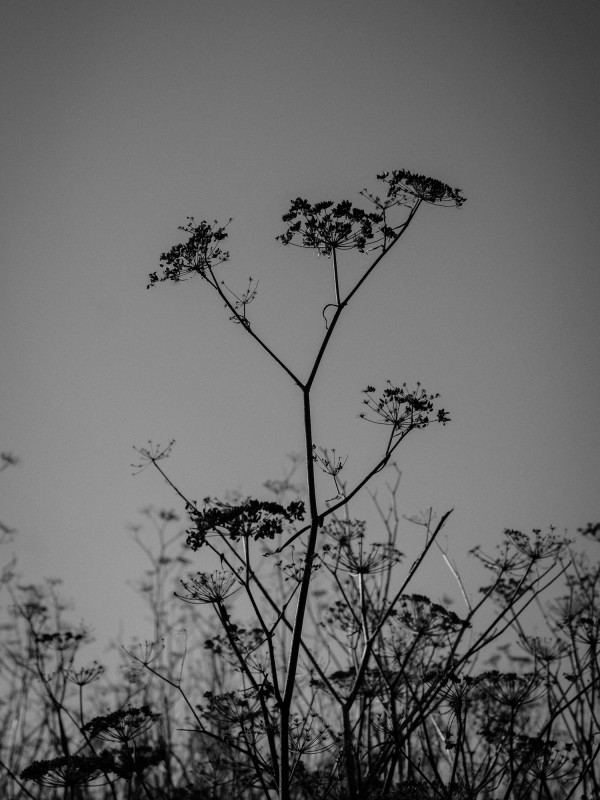
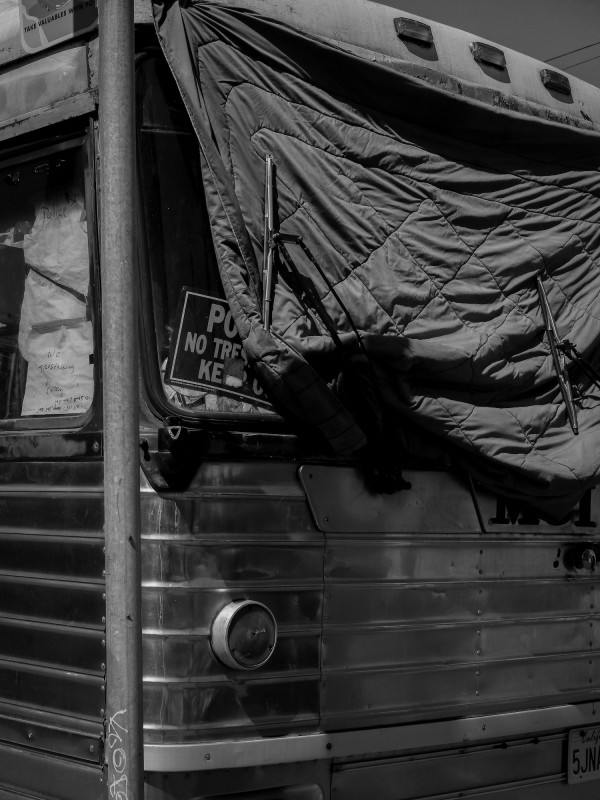
A highly personal exploration of issues of identity, heritage and migration.
The American multidisciplinary and award-winning artist is regarded as one of the most significant visual storytellers in the media of film and photography. He recently published his first book.
LFI: How long did you work on the book?
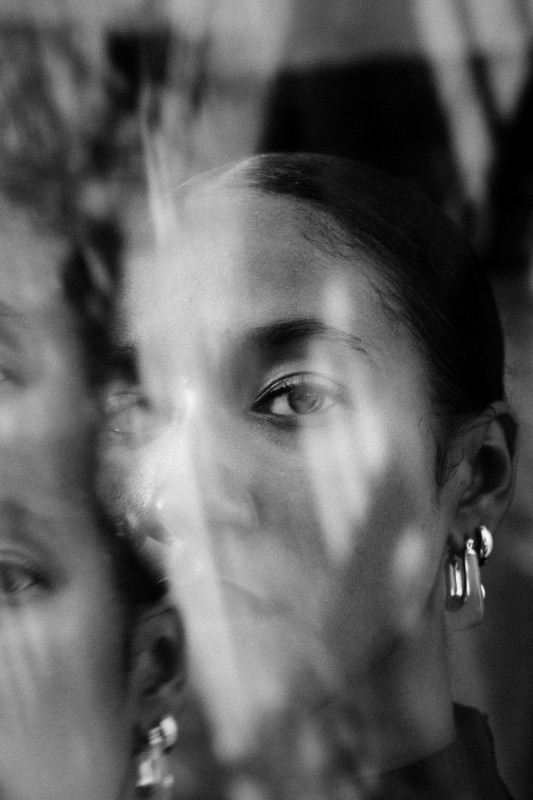
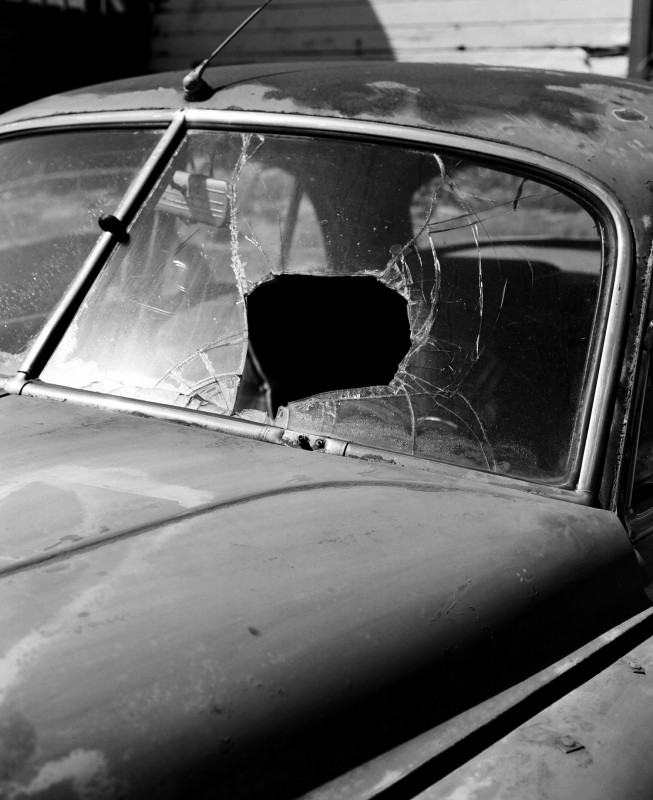
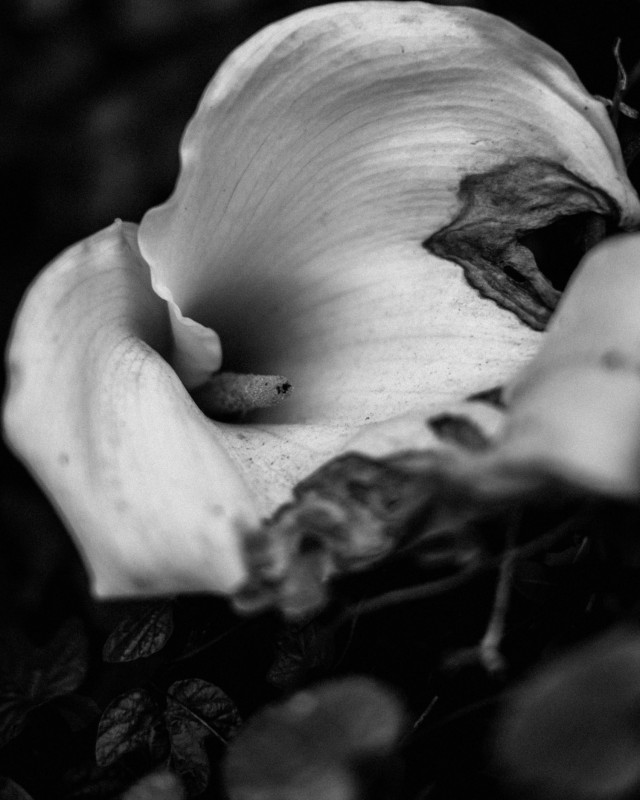
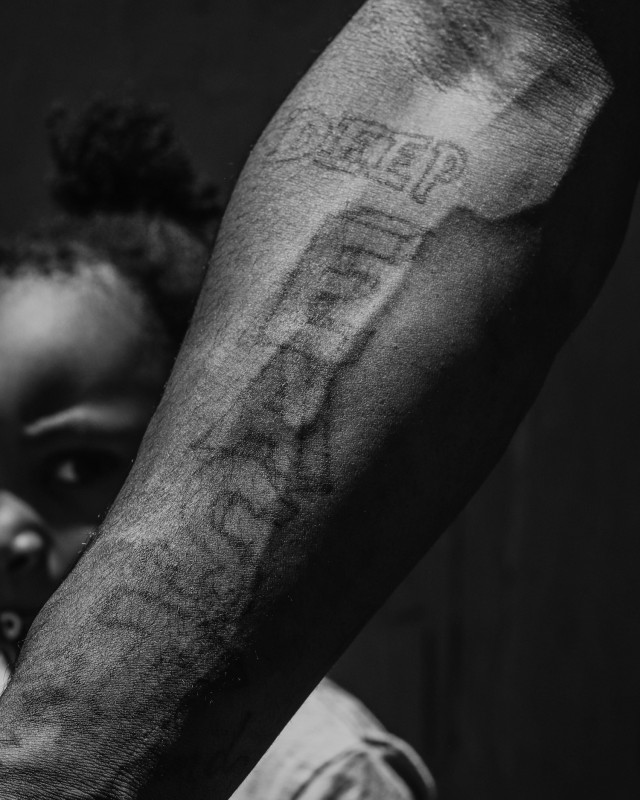
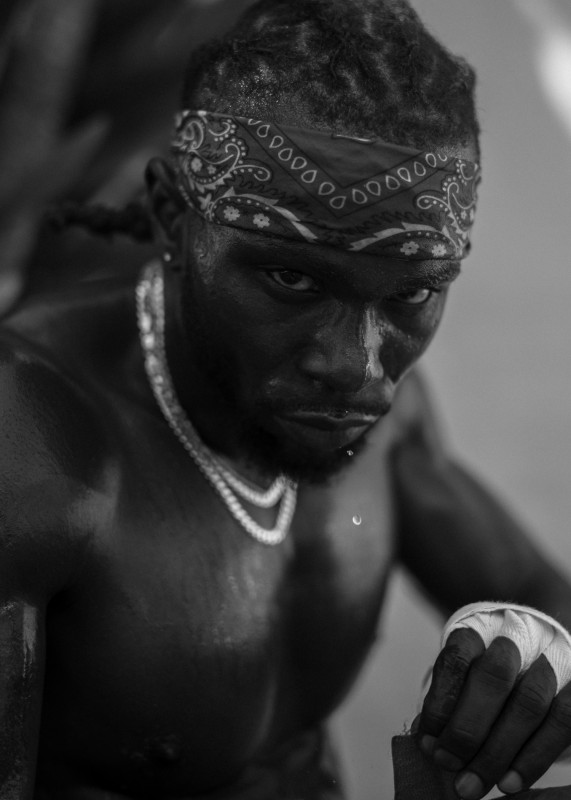
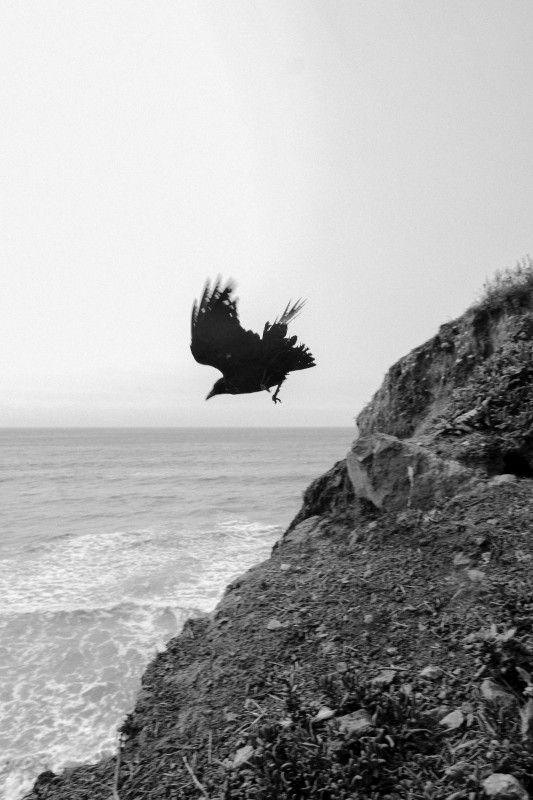
Brandon Ruffin: Altogether, Migration Patterns took approximately two and a half years to complete. That time was spent researching, speaking with family, solidifying the conceptual framework, and sorting through my archival work, followed by a focused twelve-month period working closely with Setanta as we moved into full production. This project was truly made possible by Keith Cullen, who immediately saw the vision I wanted to put forward and supported it from the beginning. Collaborating with Emma Toma was an exceptional experience – she is a remarkably talented editor and designer, and the book’s structure felt deeply aligned with my artistic and storytelling intentions. The book carries clear socio-political undertones, examining the migration of Americans during a period of extreme oppression and racialized violence against Black Americans, as well as the national shift from agricultural to industrial labor in support of the war effort – changes that permanently reshaped the American workforce.
Which aspects of identity, past and experience were particularly important to you?
My personal connection to this history runs through my family. My great-grandmother migrated from Louisiana to California to work in the Kaiser shipyards in Richmond during World War II, a journey that ultimately led my family to the Bay Area. Growing up between Louisiana and the Bay Area, I immediately recognized a cultural through line – one I later understood as the result of Southern Black migration shaping Bay Area culture. Migration Patterns became my way of telling that story.
What are your hopes for the future, considering the current socio-political situation in the United States?
I believe work like this is especially important now, as we witness an intentional erasure of history and culture that does not align with prevailing political narratives. Preserving authenticity in how we tell our collective history feels essential.
Which cameras did you use?
The project was photographed using a mix of 35mm film, 120 film and digital formats, primarily with the Leica M3, M6, M11, and M11-D. The M11-D allowed me to stay deeply immersed in the environments I was photographing, free from technical distraction, while the M3 and M6 brought a historical sensibility that aligned with the emotional landscape of the work.
What are your plans for the new year?
Looking ahead, several exhibitions are planned for 2026 that will continue to expand Migration Patterns as a living body of work.
Ulrich Rüter
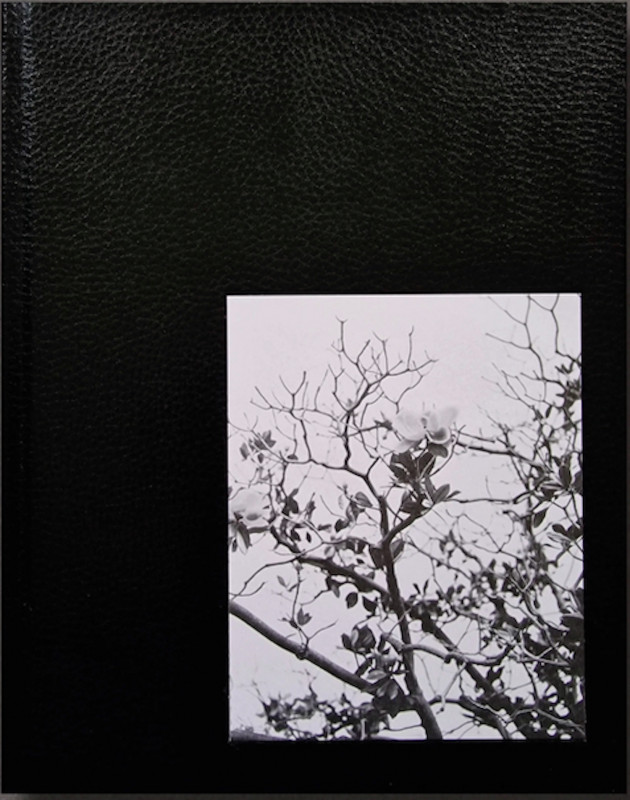
Migration Patterns+-
With a poem by Enjoli Flynn-Ruffin and an accompanying essay by Pendarvis Hardshaw.
72 pages, 36 black and white images
25.5 × 20 cm, English
Setanta Books
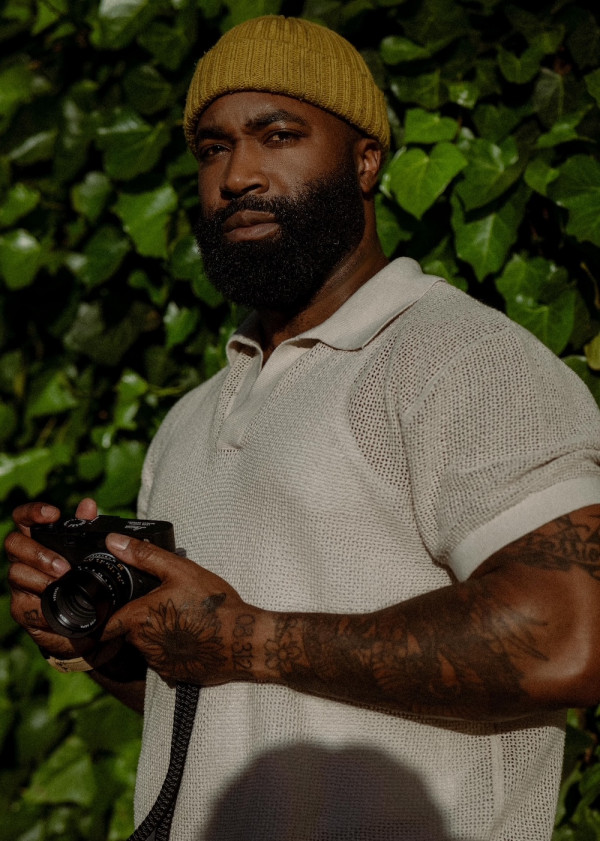
Brandon Ruffin+-
Based in Oakland, California, Ruffin is a award-winning artist, who has earned great renown primarily through his visual storytelling with photographs and films. As a Leica photographer, he has spent many years focusing his reportage and portrait photography on giving a face to people and communities that are often overlooked by society. He has contributed to publications like Rolling Stone and The New York Times and is a founding member of OAKSPC as well as Cameras and Coffee Club. More