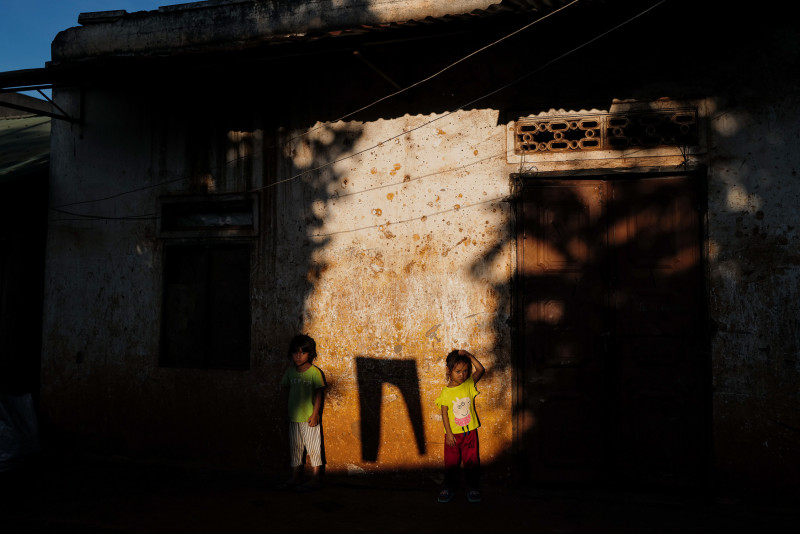
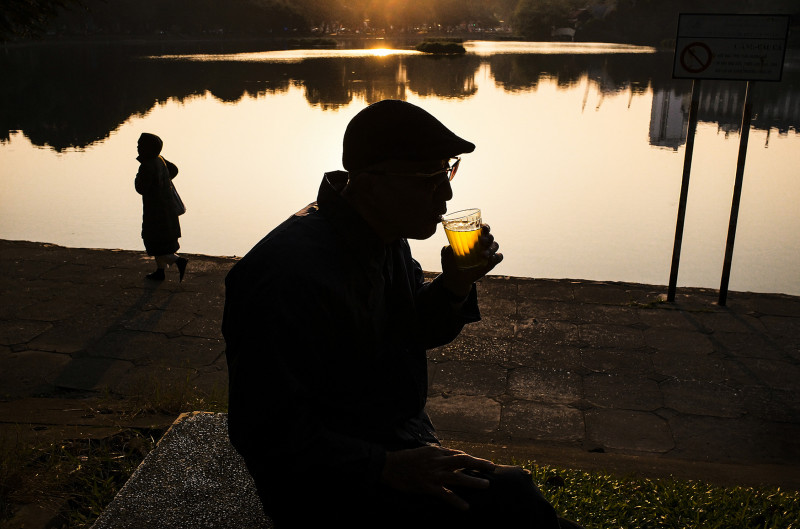
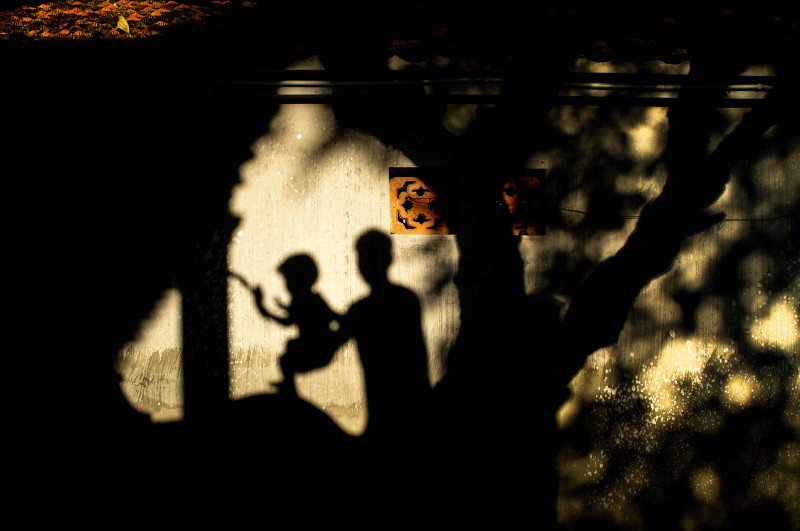
In his series, photographer Phong Nguyen goes beyond stereotypical ideas, to explore the rhythm of everyday life in Vietnam.
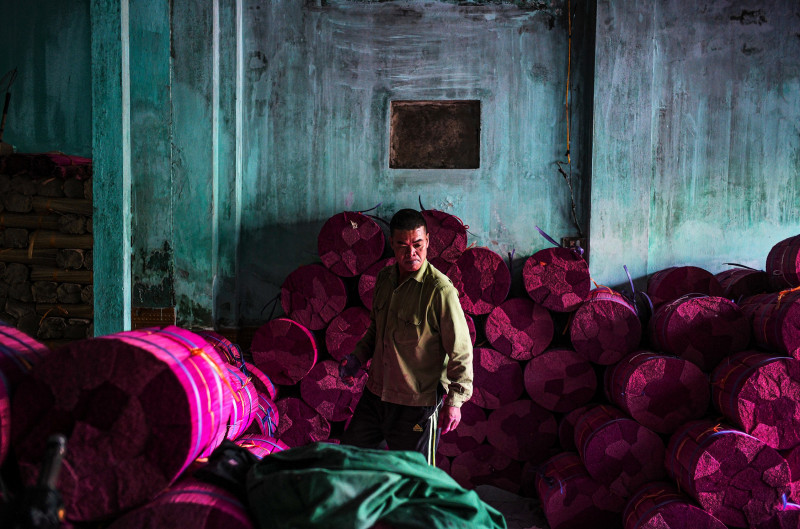
Vietnam’s working class emerged in the 1880s as a result of industrialization under French colonial rule. With advancing modernization, it has continued to evolve, and an increasingly self-sufficient middle class strives to achieve an urban lifestyle. Phong Nguyễn documents this change by photographing life in the streets of Vietnam – at the heart of the action.
LFI: In your view, what defines everyday life in Vietnam?
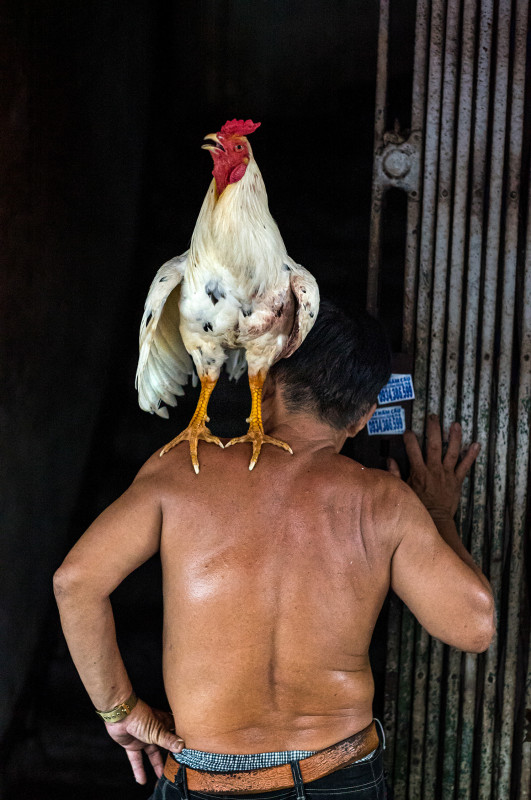
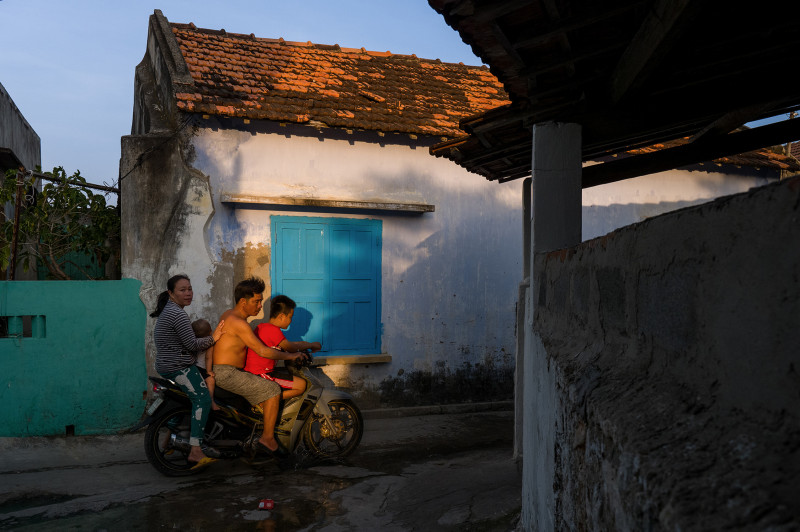
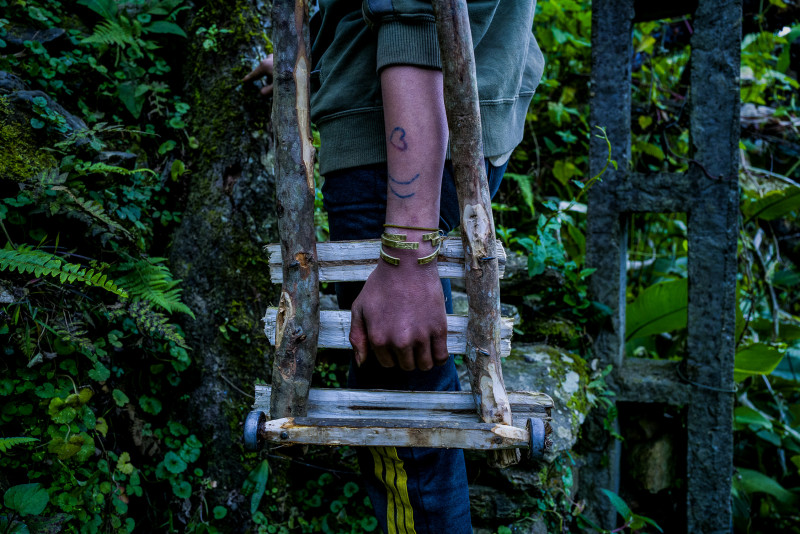
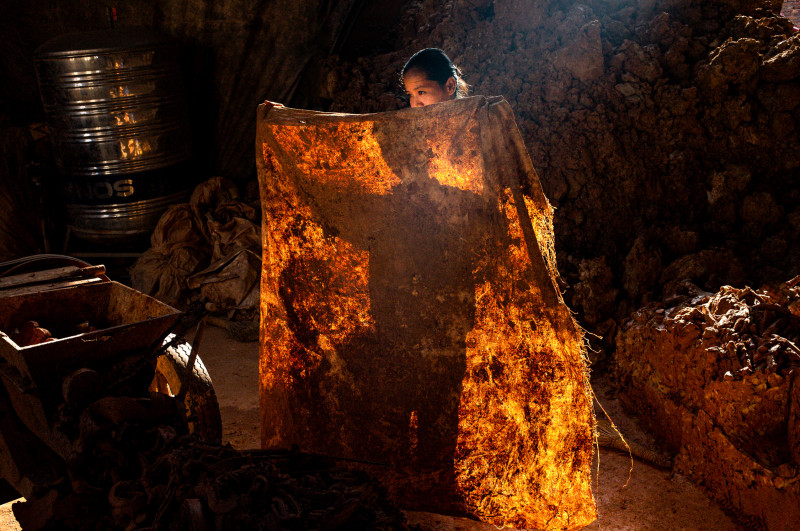
Phong Nguyễn: For me, everyday life in Vietnam is defined by a poetic rhythm of resilience and harmony. It’s the subtle balance between timeless tradition and rapid modernization, where the scent of incense from a family altar mingles with the sound of motorbikes. It’s found in the morning ritual of pho vendors preparing their broth before sunrise, in the shared laughter over tiny cups of iced tea on a side walk, and in the silent, determined focus of a craft-person’s hands. It’s not about grand events, but the profound dignity and warmth embedded in ordinary moments and human connections.
How would you describe Vietnam’s working society today?
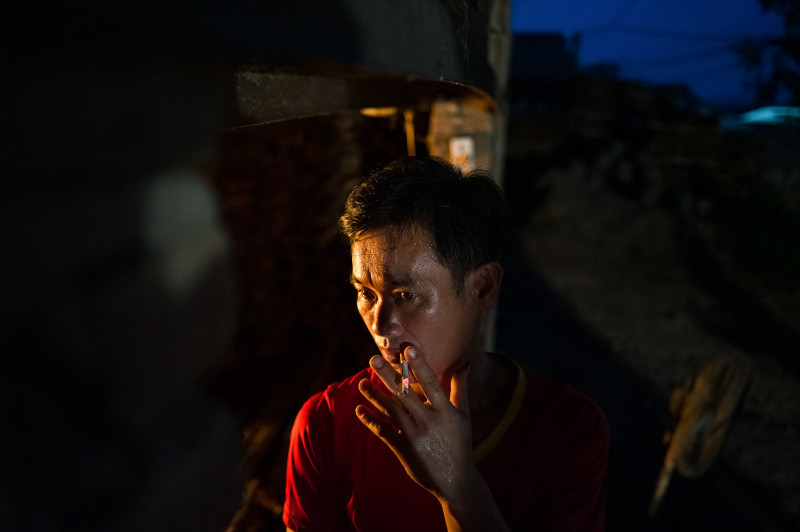
Today’s working society in Vietnam is a dynamic engine of proud transformation. It carries the collective memory of an agrarian past and wartime hardships, which forged an incredible spirit of perseverance and ingenuity. Nowadays, this spirit fuels a nation in constant motion – from the dynamic pulse of its modern cities to the artisans preserving centuries-old crafts in ancient villages. There’s a palpable sense of forward momentum, of building a future, yet it remains deeply rooted in a respect for community, family, and sheer hard work. It’s a society that’s both ambitious and humble.
Could you please describe your photographic approach?
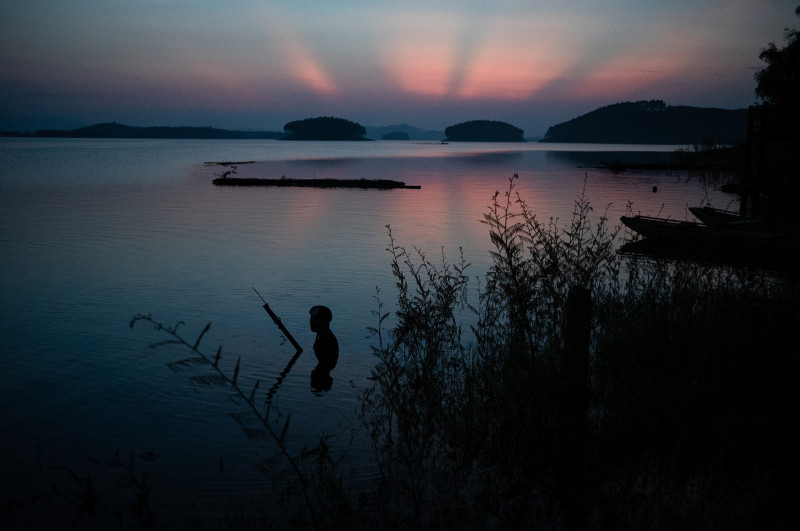
I spend a significant amount of time without my camera – observing, sharing a conversation, or simply being present. When I do raise my camera, it feels like a natural extension of the interaction. I work almost exclusively with available light to honour the authenticity of the scene.
What makes the Vietnamese people particularly special to you?
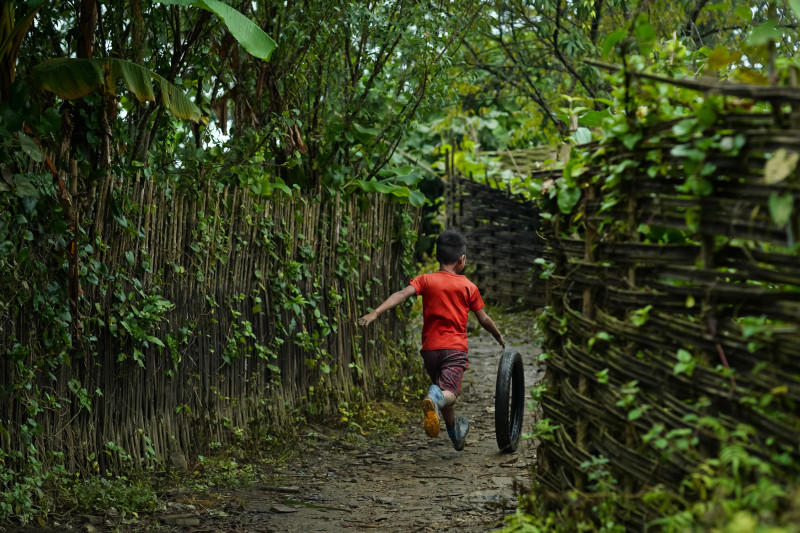
They represent the unseen backbone of the nation – the street vendor, the farmer, the artisan, the playing children. Their stories rarely make the headlines. Documenting their lives is my way of honouring their quiet contribution, of preserving a vanishing way of life in the face of globalization, and of reminding viewers everywhere of our shared humanity.
How did your Leica and equipment support you throughout this project?
Its discreet, quiet profile allows me to work unobtrusively without disrupting the moment. The exceptional optical quality of M lenses, particularly their ability to render detail and texture in challenging light, was crucial for capturing the nuanced atmospheres of street scenes and interior spaces. My Leica forces me to be deliberate, to slow down, and to truly engage with my subject, which is essential for the kind of connected, humanistic photography I strive to create.
Eliza TrappEQUIPMENT: Leica M11, Summilux-M 35 f/1.4 Asph, Leica Q3 with Summilux 28 f/1.7 Asph
Phong Nguyễn+-
Born in Hanoi in 1982, Phong Nguyễn began working with a Leica M8 in 2008. He has been the manager of the Leica Store Vietnam and head of the Leica Akademie Vietnam since 2017. As a passionate Leica enthusiast and a committed photographer, he combines his delight with professional craftsmanship. His on-going, personal project, Vietnam, Unframed, explores the poetic rhythm and authentic spirit of daily life in Vietnam. Nguyễn lives and works in Hanoi. More