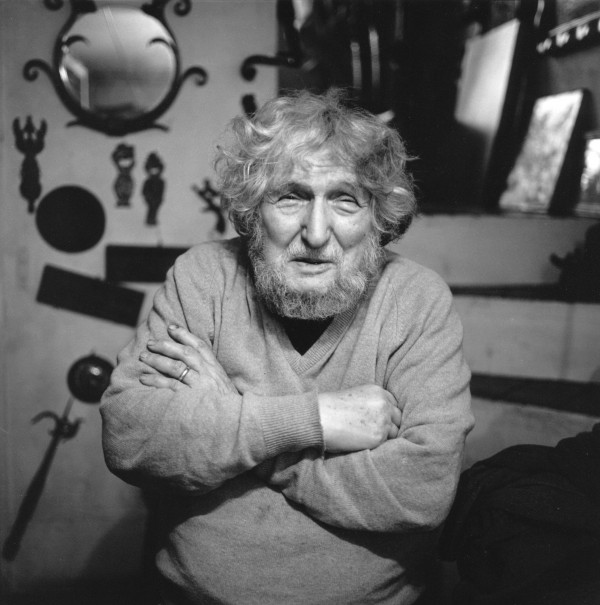
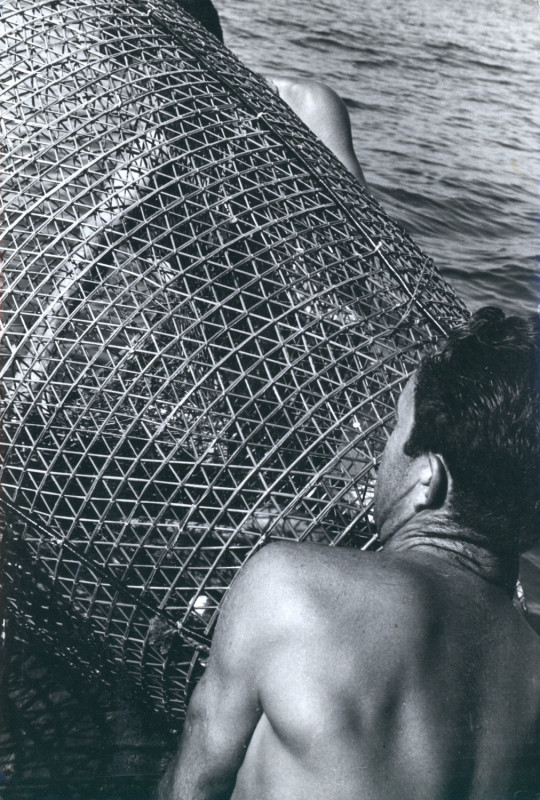
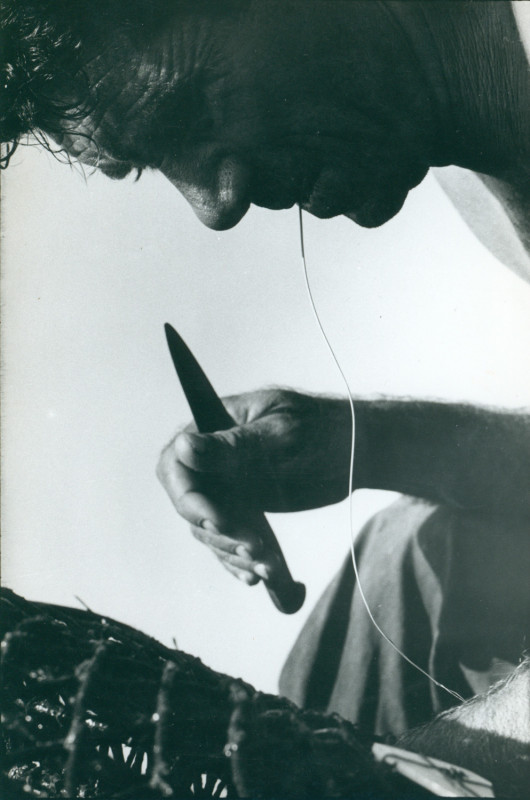
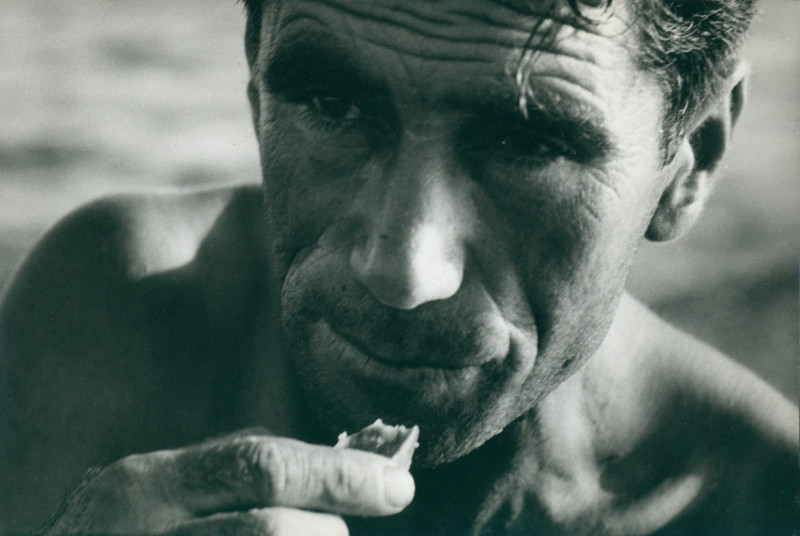
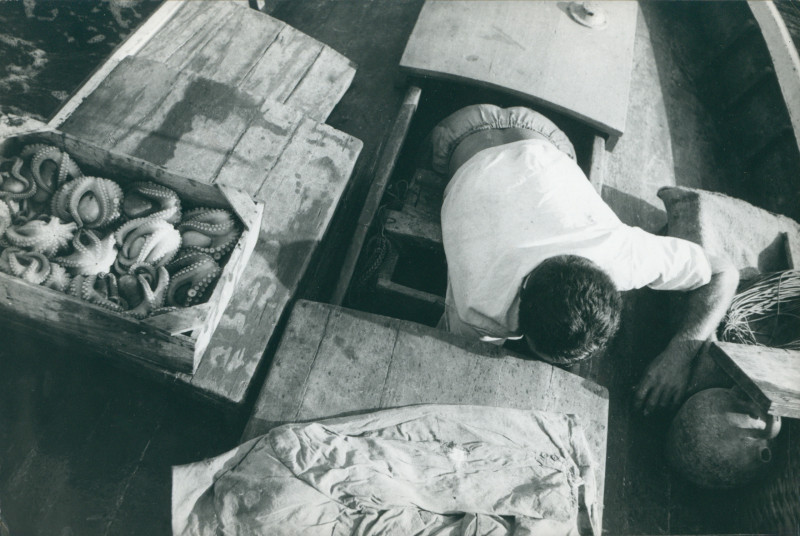
The great humanist photographer of the century (1922–2016) spent his life between Europe and the USA. In LFI 4.2025, we presented a portfolio in the Leica Classic segment, focusing particularly on the work Stettner produced in the USA. Complementing the magazine, we are showing here pictures from his project about two fishermen in Ibiza.
Born in Brooklyn, New York, Stettner arrived in Paris for the first time in 1947. Over the following decades, he lived in both cities, before finally settling close to the French capital in 1990. His extensive body of work, comprising series and photographs taken during his many travels, is evidence that he was more than just a great representative of street photography whose striking images captured the people and streets of big cities. The Pepe and Tony series has particular significance, because he used the pictures to develop a personal book project, where he combined his images with his own text and designed the layout. Unfortunately, it was never published. It was only in 2016 that Éditions Xavier Barral in France published a facsimile of the series on the occasion of Stettner’s retrospective, Ici Ailleurs, at Centre Pompidou in 2016 when photographs from the series were first exhibited. We are grateful to Stettner’s widow, Janet, for providing us with the original draft of the book and for pointing out the year of origin: contrary to previous information, Stettner did not photograph the Pepe and Tony series in 1956, but in 1960–62.
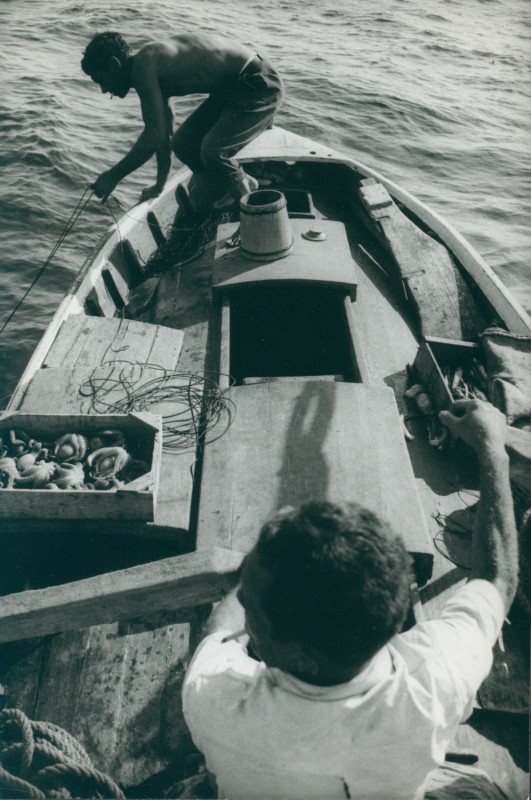
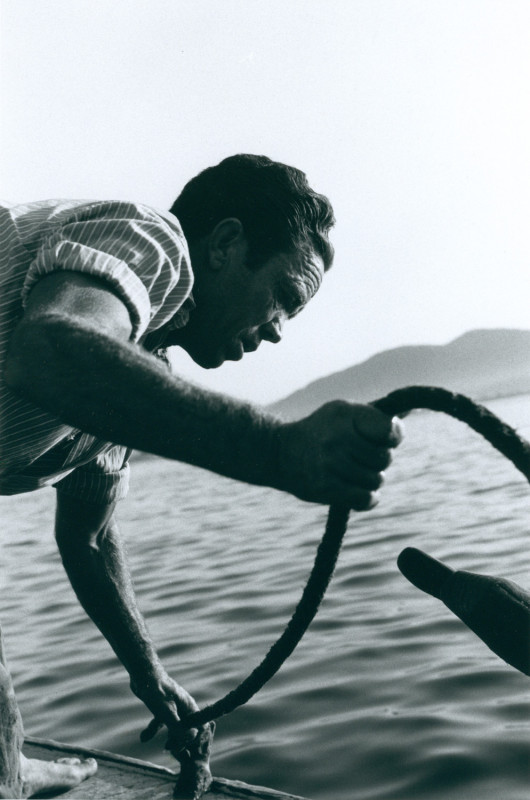
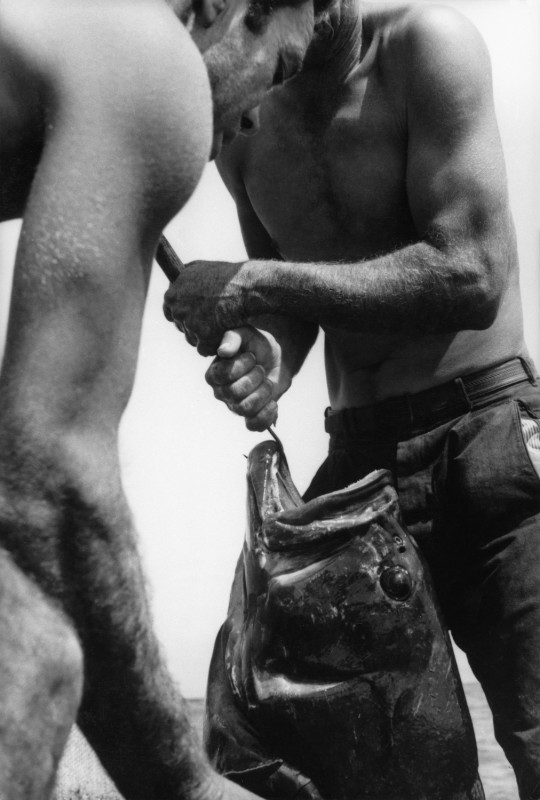
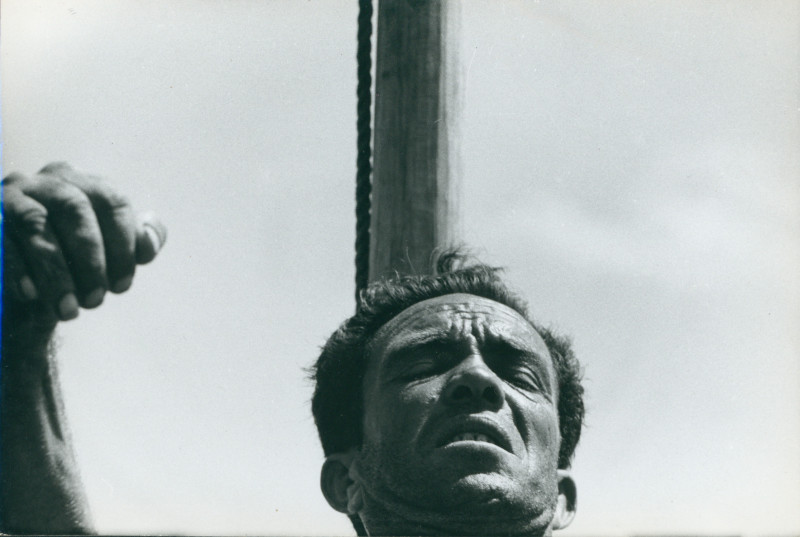
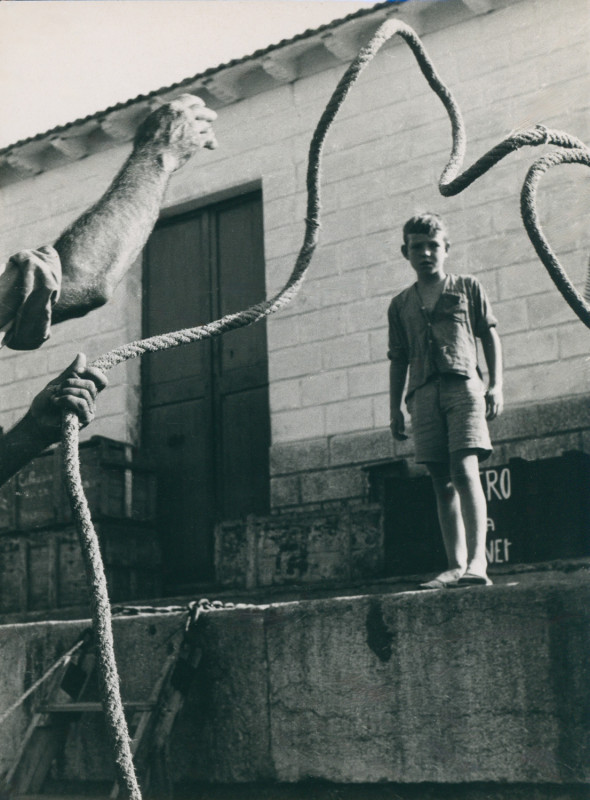
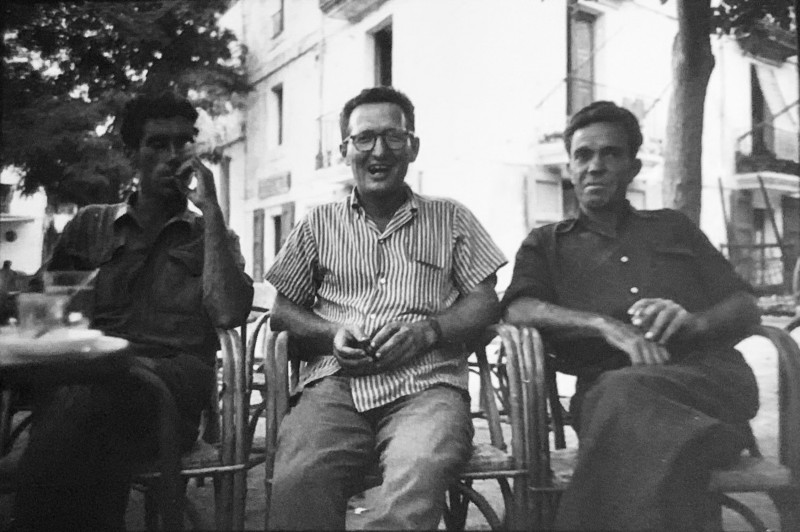
During a stay on the Spanish island of Ibiza, Stettner’s curiosity led him to accompanying fishermen during their activities. He was particularly interested in the fishing of grouper (mero), which required experience and a precise knowledge of the sea. “I had decided it would make an exciting and interesting series of photographs to show how this king of the sea was caught. Also, quite frankly, I wanted very much to go fishing! So one morning, I had to get up very early and go down to the harbour. It was still dark as I stumbled through the narrow, cobble stoned streets of the old town of Ibiza, holding on to the cameras around my neck,” Stettner said, describing the beginning of his adventure. With Pepe and Tony, he found two fishermen who allowed him to come along on their small vessel. The pilot introduced himself: he was “Tony, Captain and owner of the good boat Joven Antonio (Young Anthony), named after his eldest son. Pepe is the one-man crew, which keeps him very busy. It is small, but made of thick, heavy wood, for fishing boats in the Mediterranean must be very tough and strong. Fast pleasure craft can be lightly constructed, but the little Joven Antonio is like a husky pony, slow but sure, that has a lot of work to do,” Stettner explained.
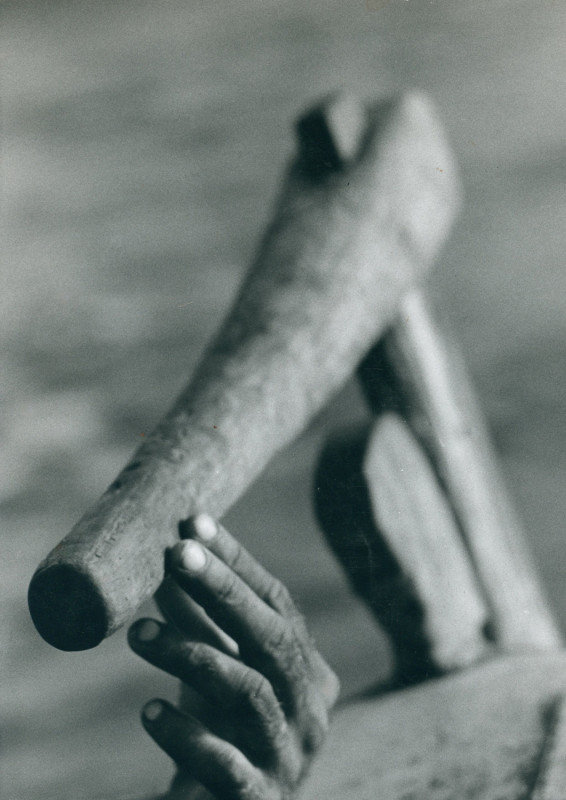
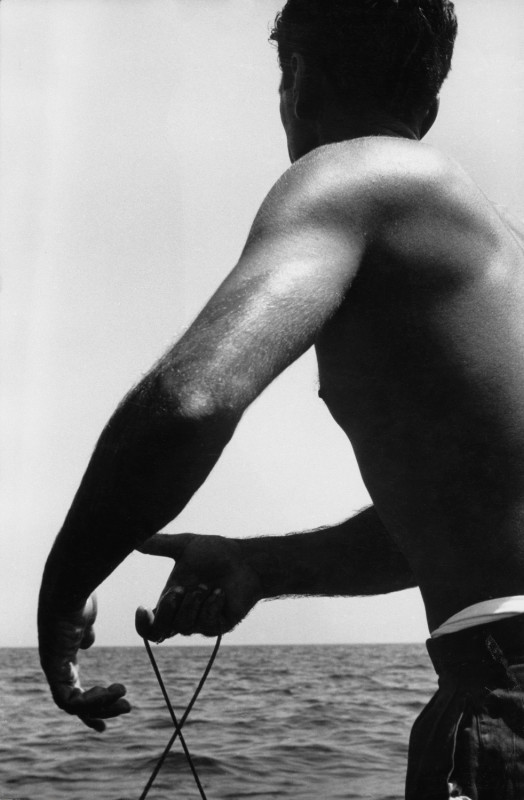
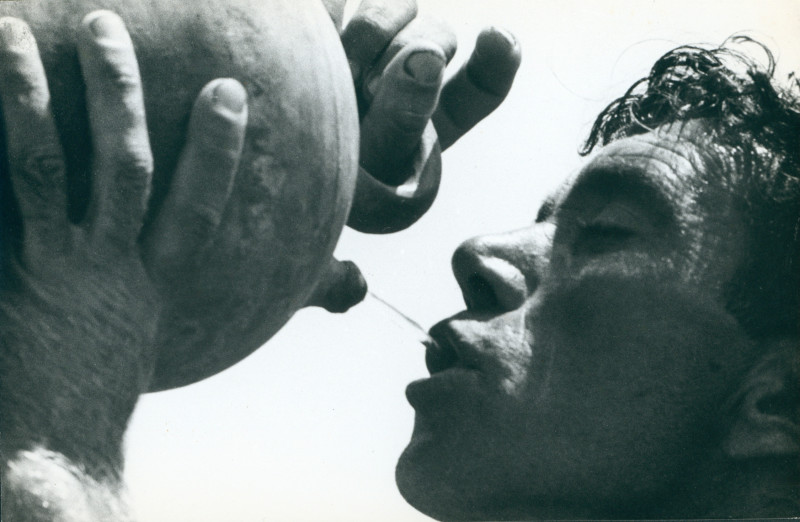
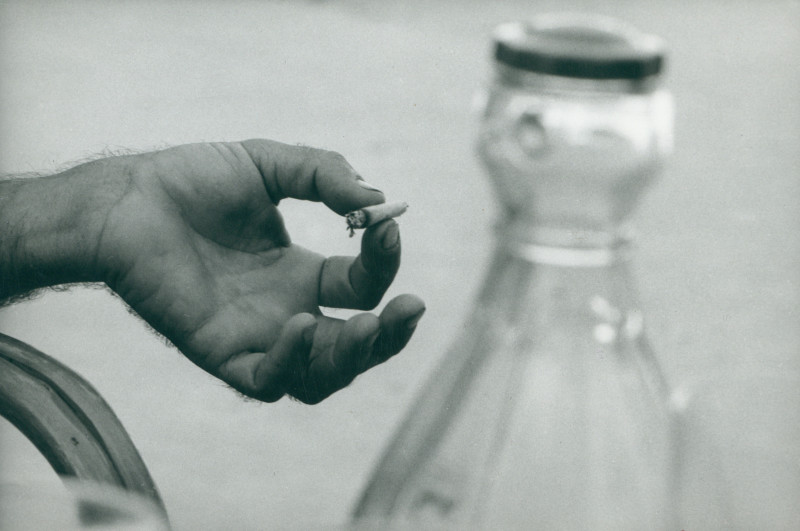
The layout he developed for the book has a cinematic quality, starting with the departure from the harbour and the first fishing attempts, to the successful end of the hunt for mero with special-made rattan baskets. Following a fruitful catch came the sale, after which the fishermen would spend satisfying time together in a café. The motifs are spectacular: the fishermen and the tough work are at the centre of the close-ups, mostly in tight frames and striking contrasts. The photographer reveals the effort, but also the energy of their handicraft, the interaction between the men and the conditions on the water. “Alone at sea in a small boat with two fishermen, starting at six in the morning until five in the afternoon continuously pointing my cameras at them. The sun slowly turns around us. The light coming from the side and the deep shadows of the early morning, the direct light stream of the early afternoon sun, then the softer afternoon light. The boat is becoming a studio on the water with lights which change themselves. But the most important are two fishermen, the small boat, and everything that is inside the boat,” Stettner wrote.
Very much in keeping with his humanistic tradition and socio-political views, Stettner does not romanticise the fishermen’s labour, but rather uses their example to convey the physical exertion, strength and vitality, as well as their simultaneous serenity.
Ulrich Rüter
LFI 4.2025+-
You can find an extensive portfolio of the photographer in LFI Magazine 4.2025. More
Further information+-
Further motifs on the Louis Stettner Estate homepage.
A retrospective of Stettner’s work is on display at this year’s Rencontres d’Arles.
The Bildhalle Gallery from Amsterdam and Zurich will be presenting the Pepe and Tony series in November at the Paris Photo fair.
Louis Stettner+-
Born on November 7, 1922 in Brooklyn, New York. He began his association with the Photo League in 1939 which continued through the 1940s. After US military service he moved to Paris in 1947. In 1950 he won a Life competition for young photographers. Return to New York; alternated between both cities, before settling in Saint-Ouen near Paris in 1990. During the 1970s he taught at the Cooper Union, Brooklyn College and Queens College, NY. Numerous awards, exhibitions and publications. In 2001, the French government appointed him “Chevalier de l’Ordre des Arts et des Lettres”. Louis Stettner passed away in Paris on October 13, 2016. More