The Leica Women Foto Project was launched in the year 2019, with the aim of encouraging women’s perspectives and diversification in the world. One thing unites all the projects: a sensitivity for the dignity and individual viewpoints of the protagonists. The 2025 winners are: Anna Neubauer (UK), Koral Carballo (Mexico), Priya Kambli (USA), Jennifer Osbourne (Canada). They offer us insight into the mindset of women in visual narrative culture. Here is an overview of the winners:
Koral Carballo (Mexico/KC): The Mexican photographer’s
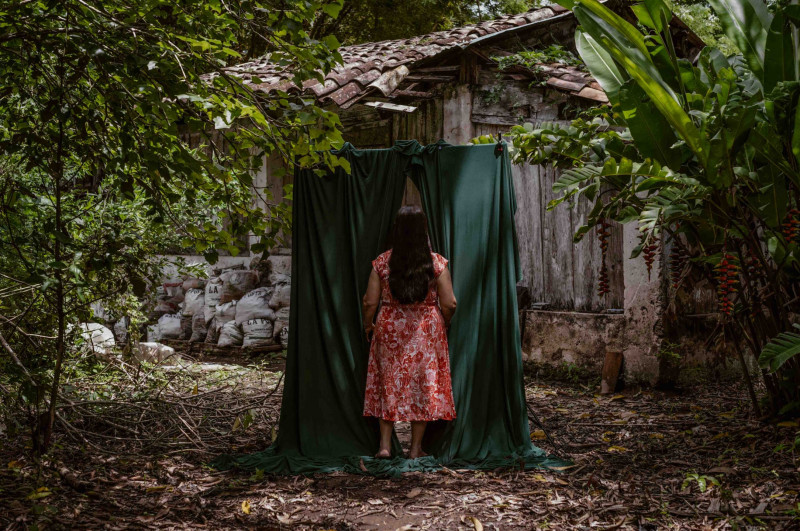
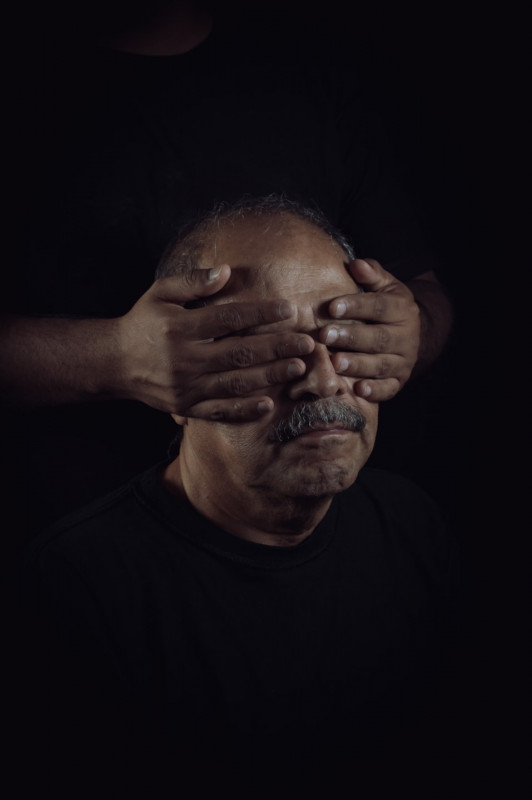
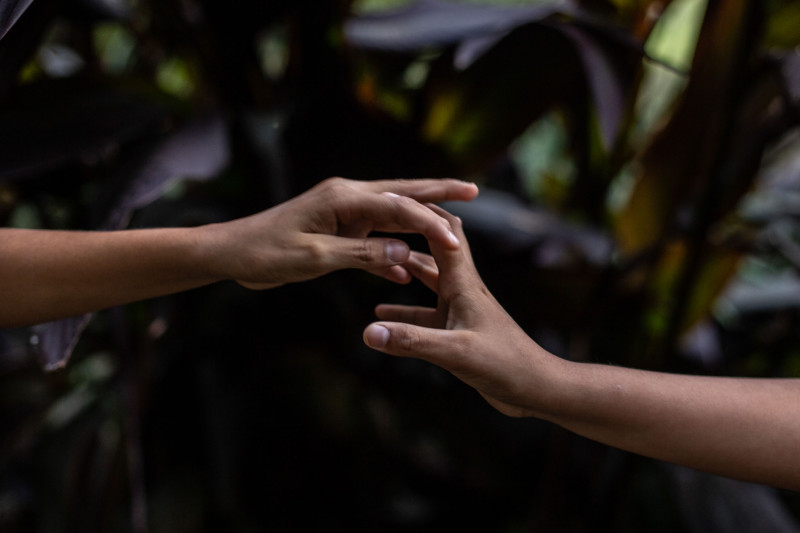
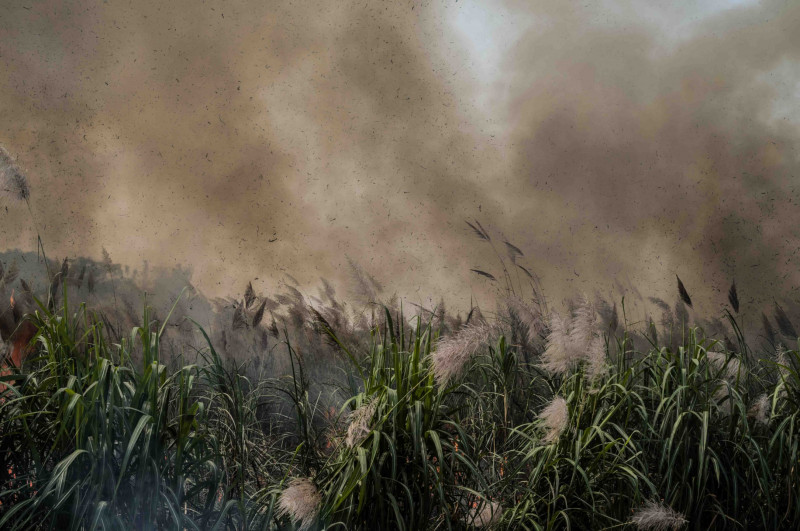
Blood Summons series deals with stories that have been passed down from her parent, in order to visualise intergenerational traumas in her home country.
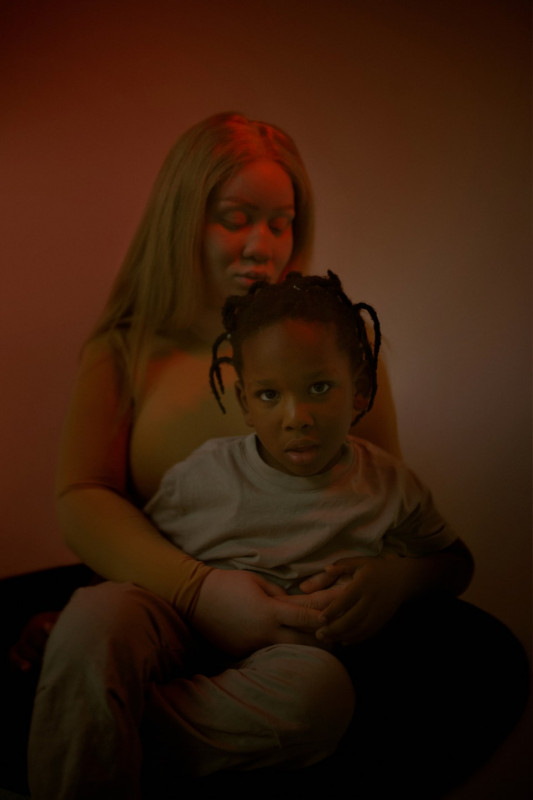
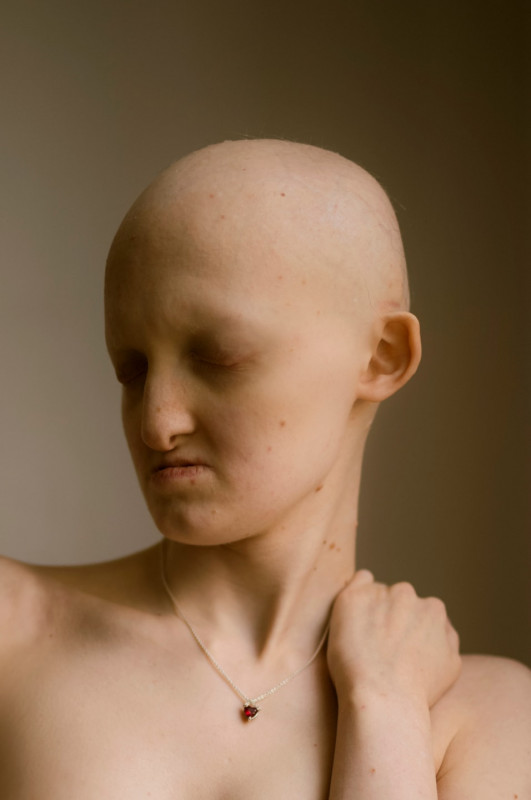
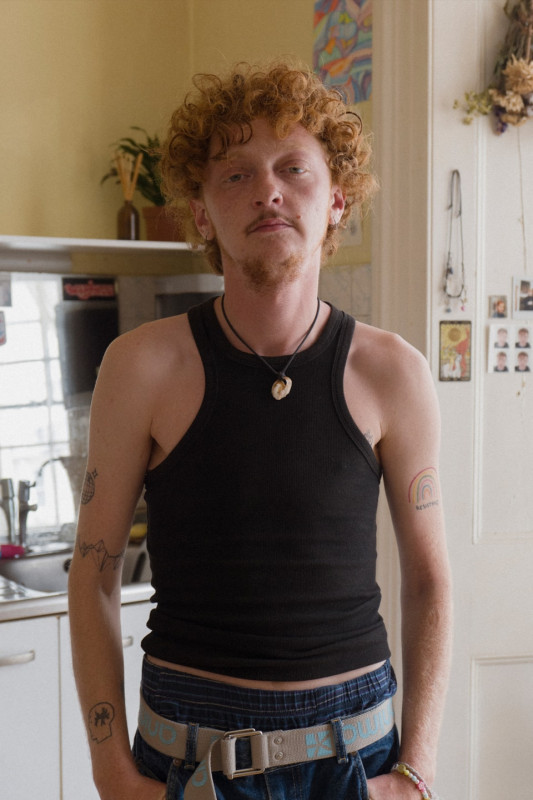
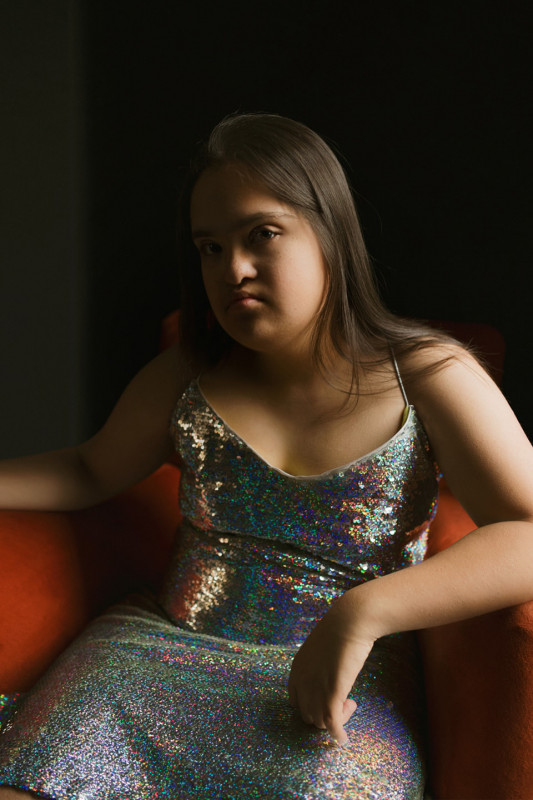
Anna Neubauer (UK/AN): The
Ashes from Stone photoessay questions society’s ideas about beauty, strength and identity. In doing so, the emphasis is placed on authenticity and self-determination.
Priya Kambli (USA/PK): In
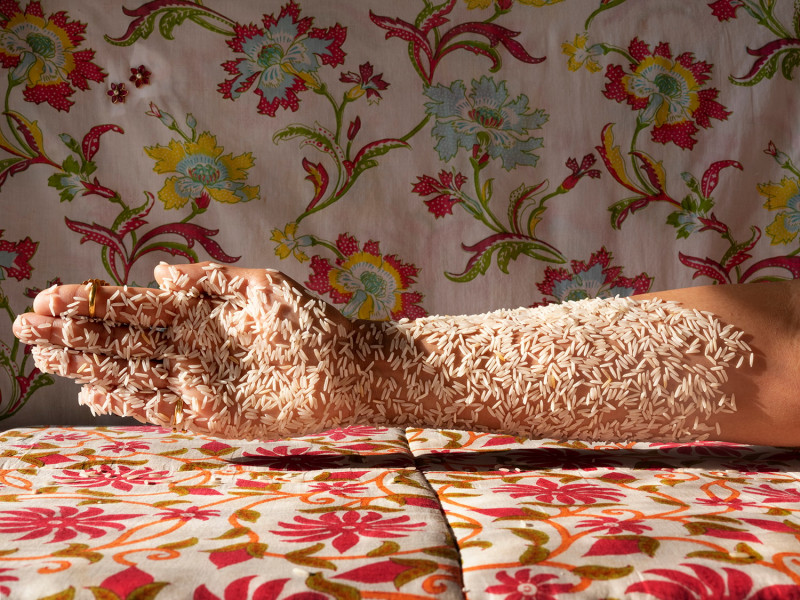
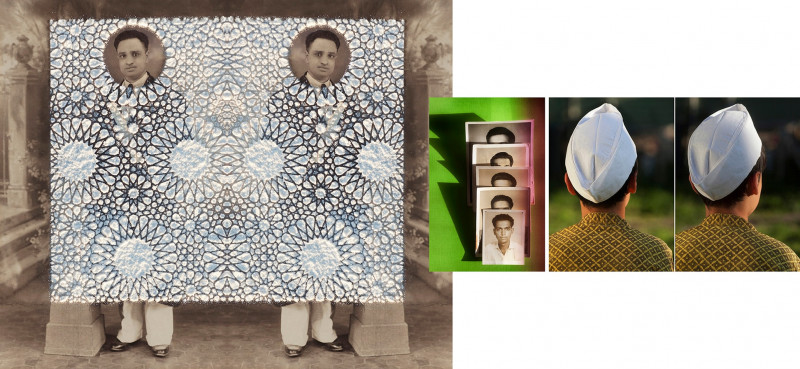
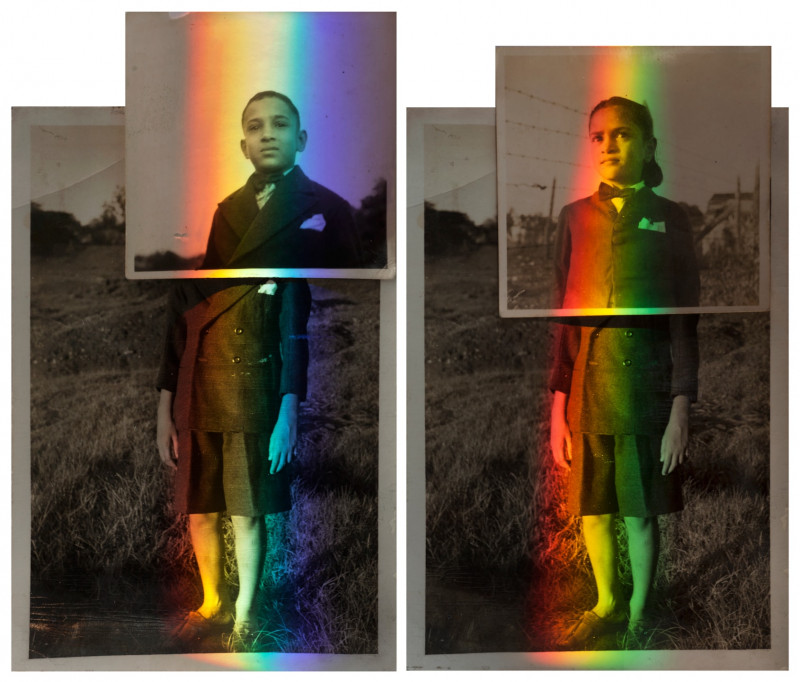
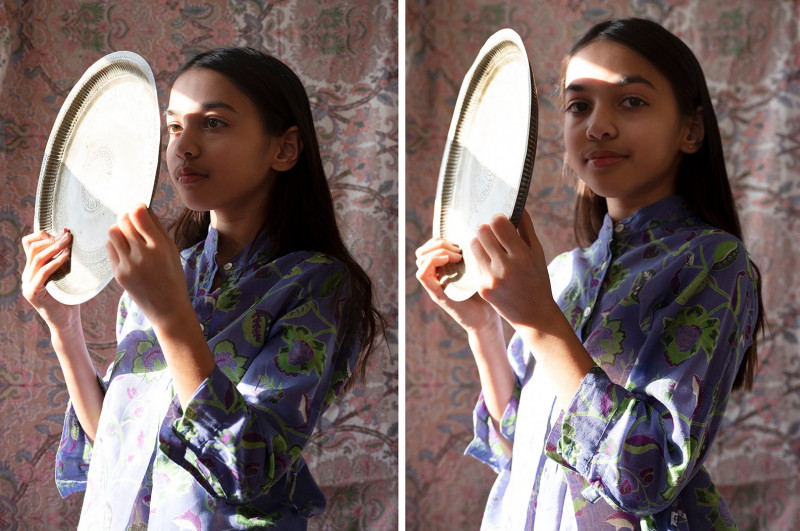
Archive as Companion, the visual artist explores the interface between the personal and the political, through a creative dialogue with her family archive, and by giving old photographs and heirlooms a new context.
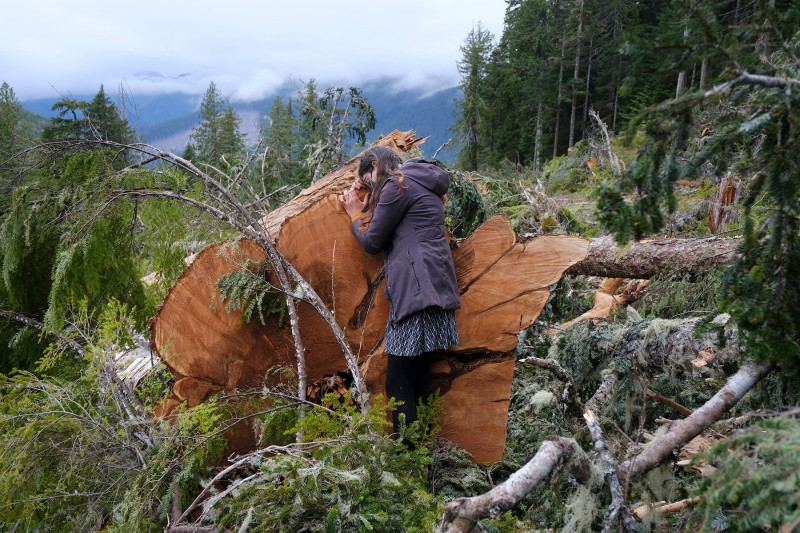
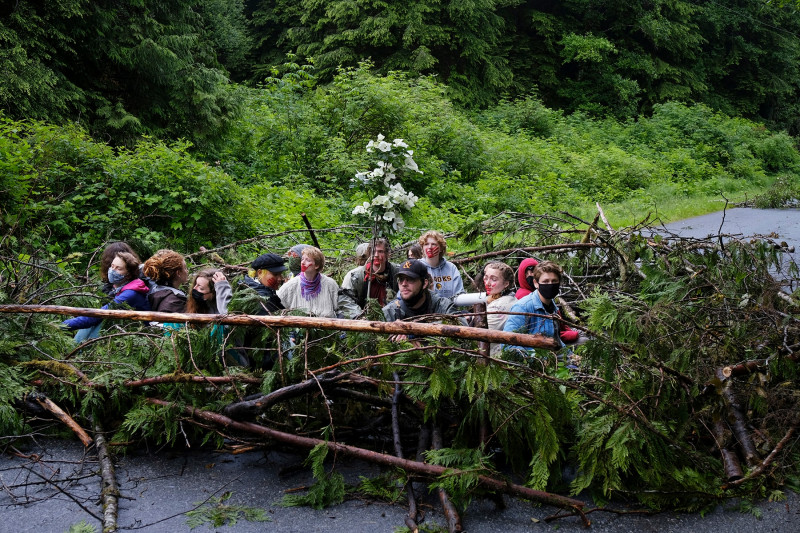
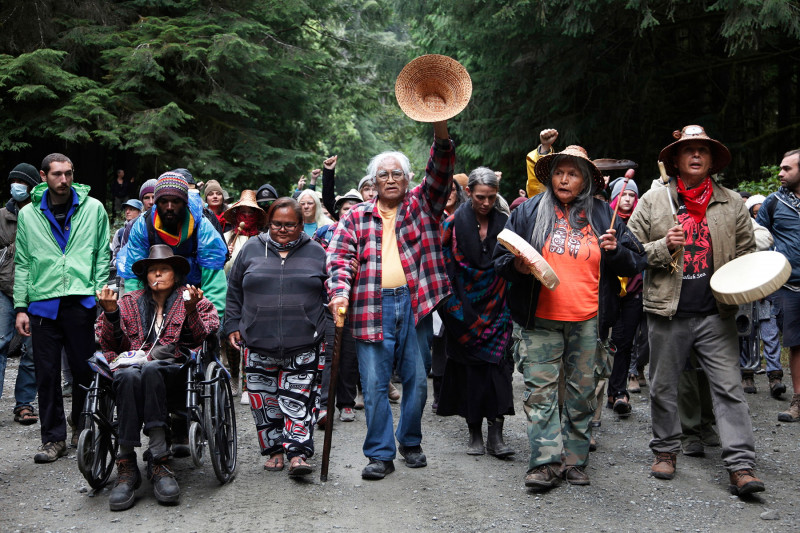
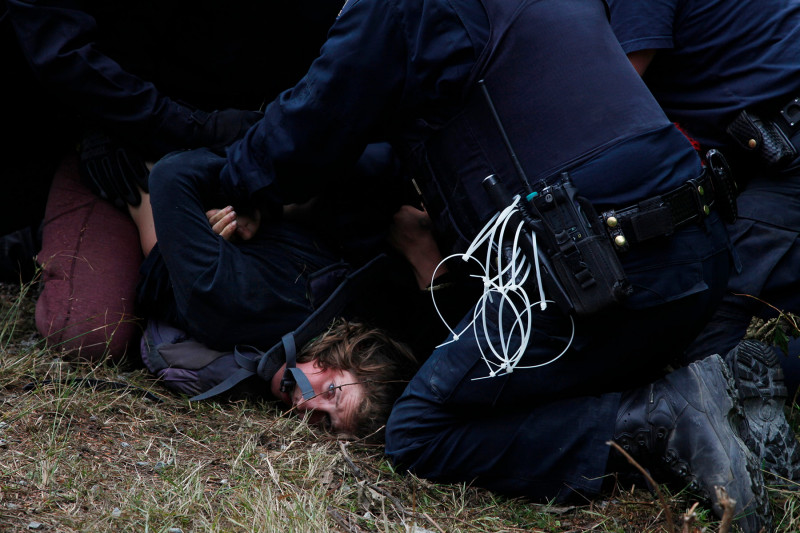
Jennifer Osbourne (Canada/JO): Her photo series documents the activist struggle to protect the last remaining coastal primeval forests. The 2020 Fairy Creek protests were the largest demonstration of civil disobedience for environmental protection in Canadian history.
Congratulations for winning the 2025 Leica Women Foto Project Award! What does this award mean for you?
KC: It motivates me to continue telling the personal, local, and political stories that touched me and didn’t matter before. It gives me strength to continue my dream of being an artist, in this industry that every day becomes more competitive and has few spaces.
AN: Winning the t Award is deeply meaningful to me as it’s an incredible honour and validation of the stories I strive to tell. To me, photography is a way of seeing beyond the surface, of understanding resilience, identity and beauty in places where the world often fails to look.
PK: I’m grateful and humbled by winning the 2025 Leica Women Foto Project Award, and I feel validated. This work has been created over the course of 16 years of artistic practice and has required time, effort, and constant making and remaking. The financial support provided by this grant is essential, as it allows me to actualize my desires for the work, such as publication, exhibition and other forms of dissemination.
JO: I would like to thank the committee for honoring my work at Fairy Creek with the 2025 Leica Women Foto Project Award – specially now, when authoritative governments refuse to acknowledge the existence of climate change. The 2025 Leica Women Foto Project Award will assist me in documenting extreme weather events and environmental disasters and the human response to the devastation. I began specializing in wildfire photography back in 2020. This work is gruelling and costly, and the field tends to be male dominated. But I believe I have a unique perspective to contribute as a woman, and I’m extremely grateful for this support.
Can you explain briefly what your series is about and why you chose this topic?
KC: Blood Summons is an intimate and political photographic proposal to open the family album. It is an unfolding of the oral histories that my parents have told me about us, contextualizing the historical and understanding of the deterioration of justice in my country. Some stories are traversed by misogyny and systemic racism that are there in silence because of the legacy of violence. It is a local story that takes place in Veracruz on the Gulf Coast of Mexico but it is not unique, but the legacy of trauma that has been repeated in many families in colonized and terror-controlled territories. About how this topic occurred, I can share that when I was 33 years old, after the death of my grandfather Francisco Morales García, during the mourning, the desire arose to begin to put in photographs stories that have accompanied me since I was a child.
AN: Ashes from Stone explores the lives of individuals who defy societal expectations, highlighting their unique perspectives on strength, self-expression and belonging – without framing them as objects of pity or inspiration. The inspiration for this project comes from both personal experience and a desire to broaden representation in visual storytelling. Living with a disability, I know how often assumptions dictate the way people are perceived. Rather than focusing on difference as something extraordinary, I want to create a body of work that shifts the focus from how people are defined by others to how they define themselves.
PK: My photographic approach is grounded in interventions with my family inheritance – a personal archive of photographs and heirlooms. This archive, brought with me to the United States at age 18, a few years after my parent’s death, and places my work in the context of migrant narratives and feminist practice. In my photographic practice I’ve revisited, rephotographed, and recontextualized family photographs and heirlooms, with the intention of building an archive of belonging, that revises absence and loss, connecting myself and my ancestors to my adopted land.
JO: My work from Fairy Creek is about a diverse group of activists who united to protect old-growth forests throughout 2020 and 2021. They camped out in a cluster of tents and vehicles at various blockades along a series of remote roads on Southern Vancouver Island. The forests around Port Renfrew are the last coastal forests of their kind on the planet. Some of those trees are the longest-lived life forms in Canada, at more than 1,500 years old. The story of Fairy Creek made national news when Land Defenders (activists) were asked to leave the area on April 1, 2021. Because I was born and raised on Vancouver Island I felt compelled to visit the blockades. My photo series features life inside those blockades — which are now dispersed — as well as the trees they worked so hard to protect.
What do you want to achieve with your series? What impact do you hope to have on the viewers?
KC: These photographs and words I hope will make us reflect on our own stories and how important it is to tell them to each other. I know it hurts and makes us vulnerable but also our stories give us strength to claim a better world and to have a position before our historical context. Things don’t happen to us because of bad luck, they happen to us because of systems that are anchored on the bottom of the sea.
AN: With my series I hope to open a window into the quieter, often unseen layers of everyday life. My goal is to help viewers recognise that beauty and strength aren’t confined to conventional standards but are woven through the small, authentic moments of daily living. I set out to move beyond the typical “inspirational” clichéd narratives and show how diversity – across cultures, socioeconomic backgrounds, disabilities and gender – shapes unique identities and experiences. Drawing from my own journey with a disability, I understand how many stories can be overshadowed by expectations. I want this series to invite viewers to pause and reflect on their own preconceptions, encouraging them to appreciate the diverse ways in which people live and express themselves. Ultimately, I hope the project nurtures a sense of connection and inspires a broader conversation about inclusivity and the many forms that resilience and self-expression can take.
PK: If this work helps us to reconsider the problematic narrative around the topic of immigration, then I’ll be grateful; but as an artist I don’t consider my role only from this vantage point. As an artist I am curious about the task of making, of wanting to create something that is beautiful, complex and challenging, that rewards prolonged attention.
JO: The Fairy Creek Blockade no longer stands, but I hope my photographs remain as evidence that people cared enough about old-growth forests to risk their personal freedoms while they were subject to arrest. Stories about activists are sometimes easily forgotten. I hope my viewers will remember these Land Defenders’ efforts as meaningful and brave – that the protestors tried very hard to defend things much older than any living human today.
What changes have you noticed in the photography industry in recent years regarding the representation and recognition of women photographers? Where do you you still see a need for action?
KC: It seems to me that it’s essential to continue with the changes that have begun to take place when we turn to see the peripheral stories, such as those of Mexico made by women who do not belong to the privileged sector of art. However, in the photojournalism industry, it seems that we are still not considered by most editors. Gender parity should be a code commitment in the media, because many colleagues have already stated, denounced, and exposed it, we can also commit ourselves to tell the stories.
AN: I’ve noticed that in recent years the photography industry has become more inclusive, with greater recognition and opportunities for women photographers. However, while these changes are encouraging, there is still significant progress to be made. Many major assignments are still dominated by men, and women photographers often have to work harder to be taken seriously, particularly in fields like documentary and photojournalism. Additionally, greater diversity is needed to ensure that women from all backgrounds, cultures, and experiences have equal opportunities. True change requires more than just recognition – it demands consistent action. The industry must continue supporting women photographers, not just by giving awards but by hiring them for high-profile projects, publishing their work and ensuring equal pay and opportunities.
PK: In my own practice, it was made clear via multiple portfolio reviews that commercial galleries weren’t interested in this work. They found the work to be too “personal” and not something they could sell. And simultaneously to these portfolio review spaces, I found much more support from non-profit galleries – spaces that were dedicated to engaging the public through educational programs. These spaces understood the multiple and complex narratives embeded in the work and were happy and willing to champion it. I think we need to create and champion spaces that promote artistic expression and growth regardless of commercial viability.
JO: When I started freelancing in 2009, being female felt like a disadvantage. Then things became more inclusive. However, photography budgets and job opportunities in the creative fields are dwindling. Sometimes it feels like once certain career opportunities fade, women and people of color are brought in to replace white male workers who occupied previously well-paying jobs. Newspapers and magazines once financed photojournalism and editorial photography through paid advertisements, whereas now social platforms reap the benefits of advertising dollars, without compensating their content creators. And now, it’s the year 2025 and the current US-government is reversing the progress we’ve made in our society. Women, people of color and the LGBTQ+ community must work harder to retain the progress we’ve fought so hard to achieve.