1/7
1/7
City. Life. Portrait
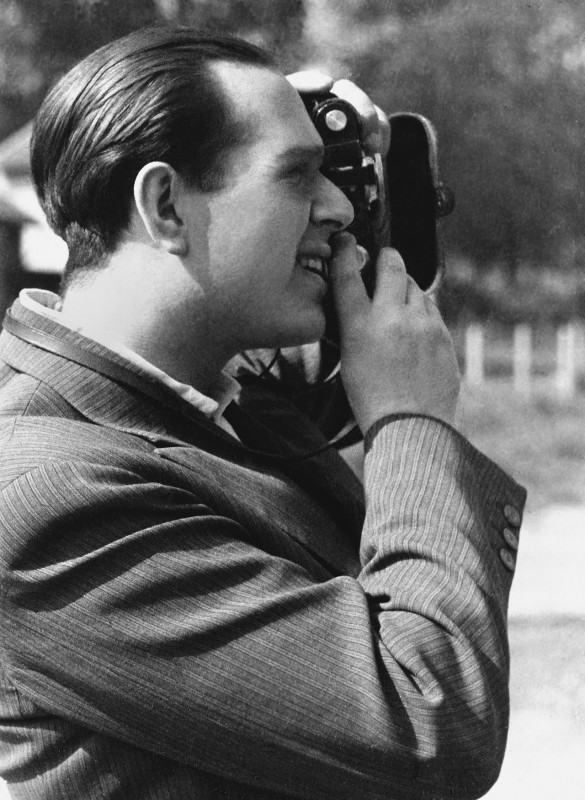
Fred Stein with Leica, 1937, from the exhibition Fred Stein: City. Life. Portrait, Leica Galerie Wetzlar 2026
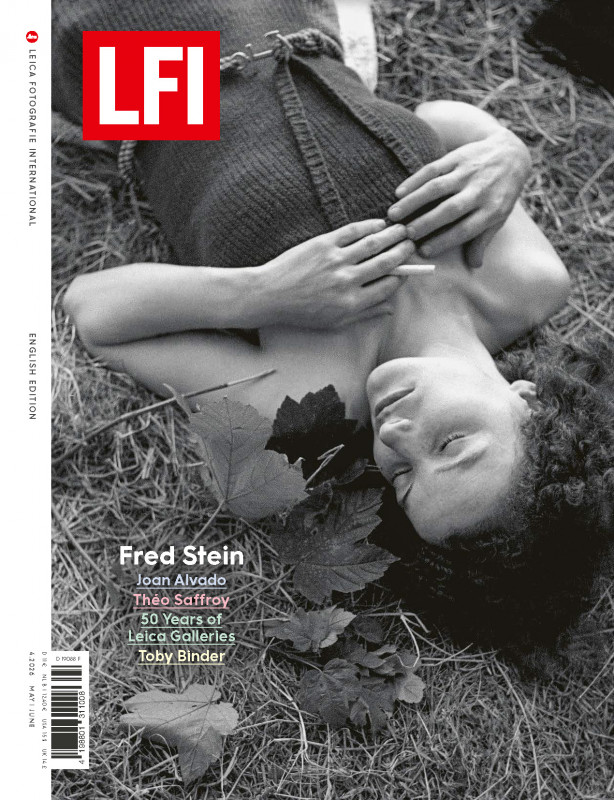
The Leica Classics portfolio in LFI 4.2026 is dedicated to Fred Stein, featuring some of his most outstanding works. More
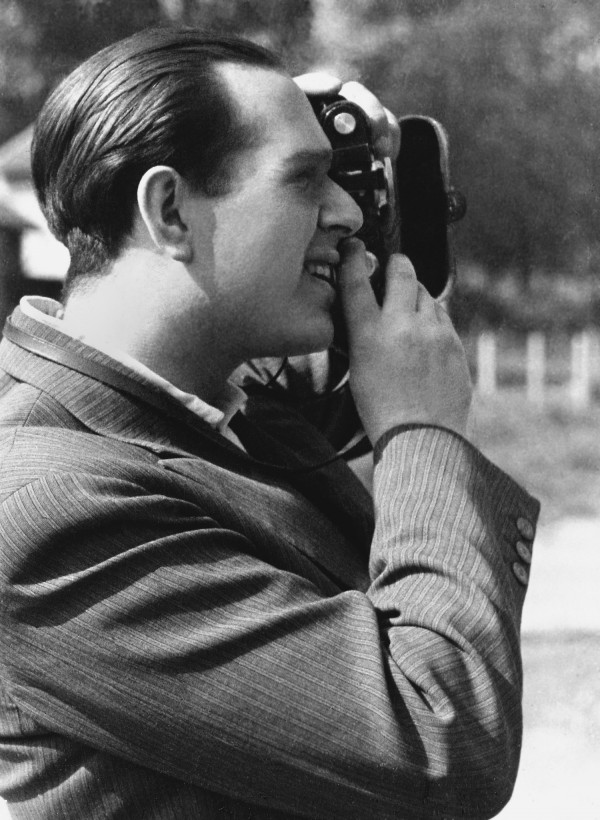
Born in Dresden, Germany, on July 3, 1909. On June 30, 1933, the successful law graduate was dismissed from judicial service for antisemitic reasons, and denied access to the second state exam. In August 1933, he married Liselotte (“Lilo”) Salzburg (1910–1997). The couple fled to Paris in October 1933, where Stein established himself as a photographer. 1938: birth of their daughter, Ruth-Marion. After the outbreak of World War II, Stein spent ten months in internment and labour camps. Lilo Stein managed to salvage a suitcase full of negatives and prints from Paris, and the family emigrated via southern France to the United States in 1941. 1943: birth of their son, Peter. 1952: American citizenship. Fred Stein passed away on September 27, 1967 after a brief illness. More
Fred Stein with Leica, 1937, from the exhibition Fred Stein: City. Life. Portrait, Leica Galerie Wetzlar 2026
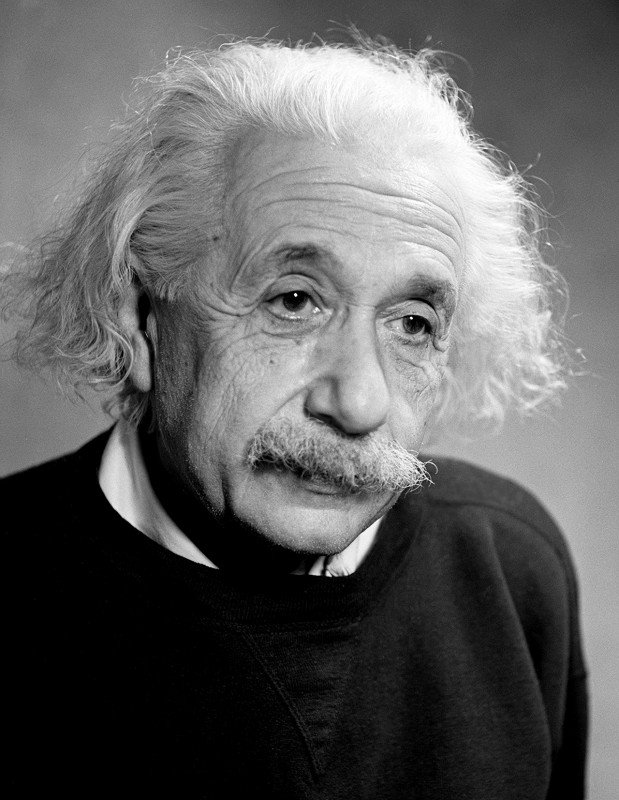
Fred Stein: Albert Einstein, Princeton, New Jersey 1946, from the exhibition Fred Stein: City. Life. Portrait, Leica Galerie Wetzlar 2026
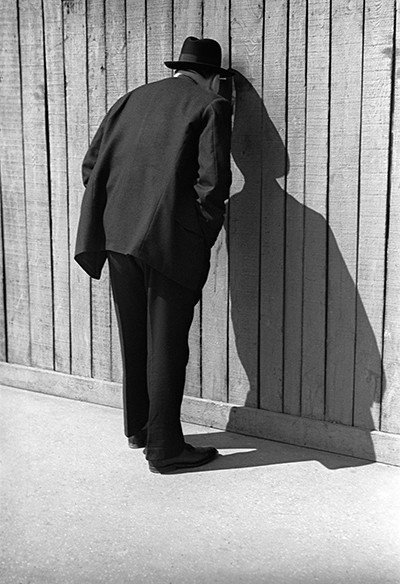
Fred Stein: Hole in Fence, Paris 1936, from the exhibition Fred Stein: City. Life. Portrait, Leica Galerie Wetzlar 2026
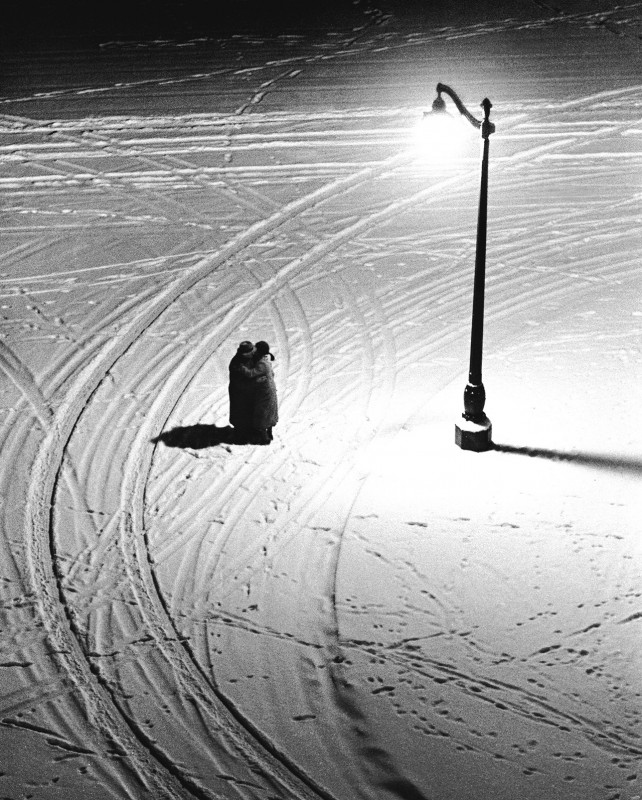
Fred Stein: Embrace, Paris 1934, from the exhibition Fred Stein: City. Life. Portrait, Leica Galerie Wetzlar 2026
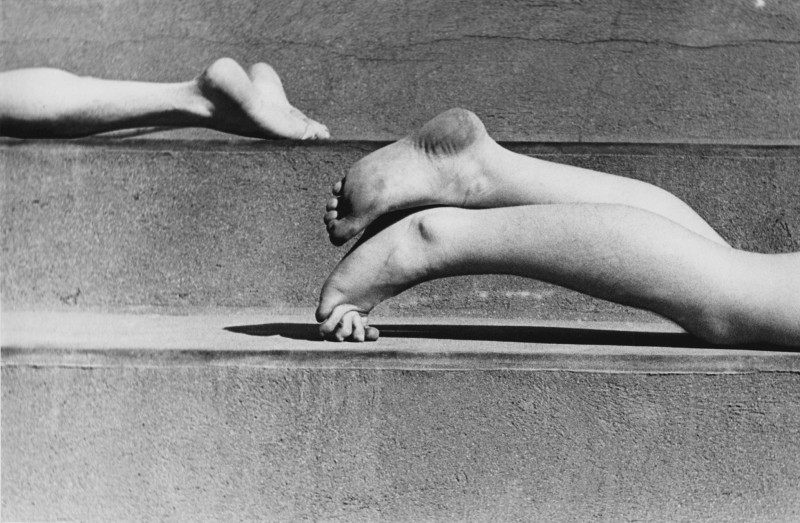
Fred Stein: Legs, Paris 1935, from the exhibition Fred Stein: City. Life. Portrait, Leica Galerie Wetzlar 2026
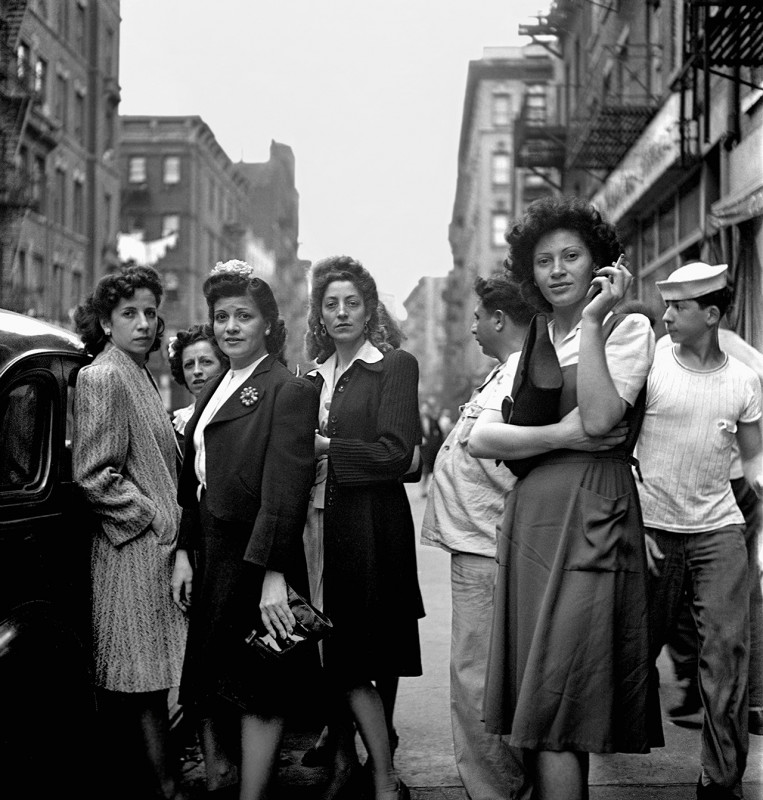
Fred Stein: Little Italy, New York 1943, from the exhibition Fred Stein: City. Life. Portrait, Leica Galerie Wetzlar 2026
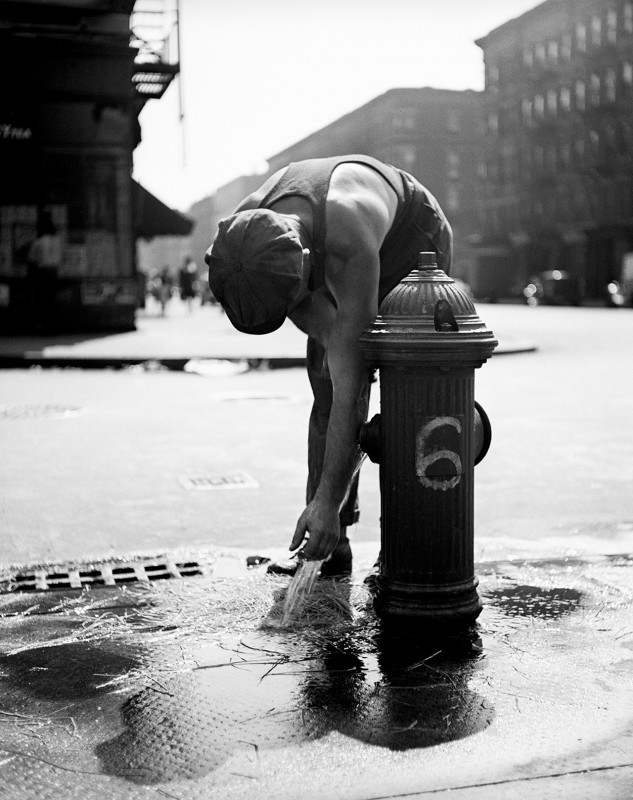
Fred Stein: Hydrant, New York 1947, from the exhibition Fred Stein: City. Life. Portrait, Leica Galerie Wetzlar 2026