Between November 2021 and January 2022, the French photographer travelled in Turkey to portray the Kurd community there.
In addition to her long-term project about Gitans in France and Spain, the French photographer immersed herself into the daily lives of Kurdish families in Turkey. The Kurdish settlement area, often referred to as Kurdistand, stretches over four countries: Turkey, Iraq, Iran and Syria. It is reckoned that between 42 to 48 million Kurds live within this 500,000 square-kilometre region, making them the largest group of stateless people in the world. Taris spent three months in eastern and southeastern Turkey, allowing herself to be guided by her intuition.
In this interview, she reports on the experiences she had, and about how she perceives the differences between Kurdish and Gitans societies.
LFI: Where did you get the idea for your long term project about the Kurds? Do you have a special connection to these people? How did you get close to the families?
Jeanne Taris: The project arose from my curiosity and my desire to travel through the Kurdish regions of eastern and southeastern Turkey. I was also hoping to meet nomadic families. During my journey, especially in remote areas around Taşköy in the province of Mardin, I came across temporary camps of nomadic Kurdish shepherd families living in tents with their herds. As I travelled, encounters gradually led me into people’s homes and daily lives. Many families welcomed me very generously, sometimes without speaking the same language. Trust developed naturally through time spent together and simple shared moments.
The Kurdish people live in different countries. Where did you photograph your series?
During a three-month journey through eastern and southeastern Turkey between 2021 and 2022. I arrived in Istanbul and flew to Van, then travelled through the region around Mount Ararat and Kars, following the Iranian and Armenian borders. From there I continued south through Diyarbakir, Şanlıurfa, Batman and Mardin, travelling along the Syrian and Iraqi borders.
You have immersed yourself deeply into Gitans culture. What did you notice is specifically different in Kurdish society? What are the characteristics of their culture?
My work with the Gitans has developed over more than ten years, with very deep personal relationships. In Turkey the experience was different because it was a journey through a region rather than a long immersion in one community. What struck me most was the strength of family ties and the generosity with which people welcomed me into their homes. Despite the political tensions in the region, I often felt a strong sense of dignity, hospitality and attachment to family and traditions.
What did you focus on when spending time and photographing in Turkey?
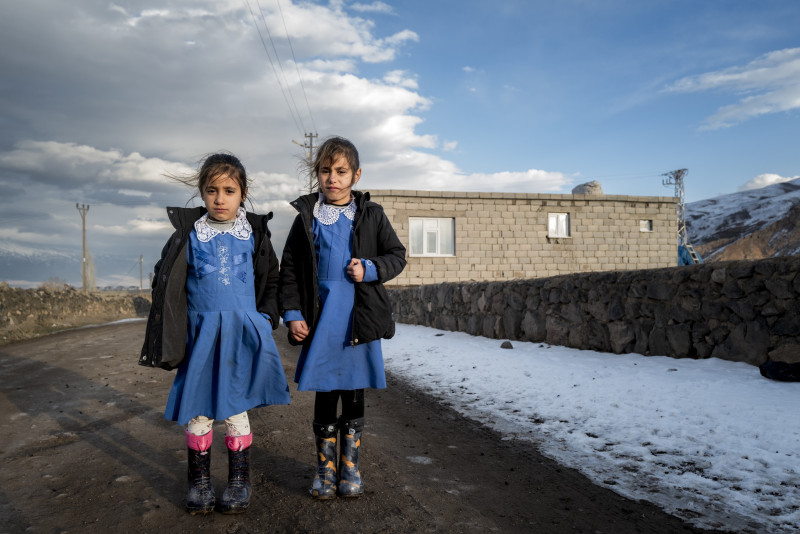
I spent a lot of time travelling by road. I rented a car and drove through villages and remote areas, often taking small roads. This allowed me to observe the landscapes and the atmosphere of the region. Sometimes chance led me to unexpected encounters. For example I once entered a school near Mount Ararat where all the children were wearing blue uniforms. Even without speaking the same language, sharing time with the children and the teachers was a very special moment. I focused mainly on everyday life, simple gestures and the atmosphere of the places I passed through.
Do you remain in contact with people after you leave?
I usually try to maintain contact with the people I photograph. In this case it has been more difficult, but I stayed in touch with a few people. I would really like to return to these regions soon and meet the people I photographed again to see how their lives have evolved.
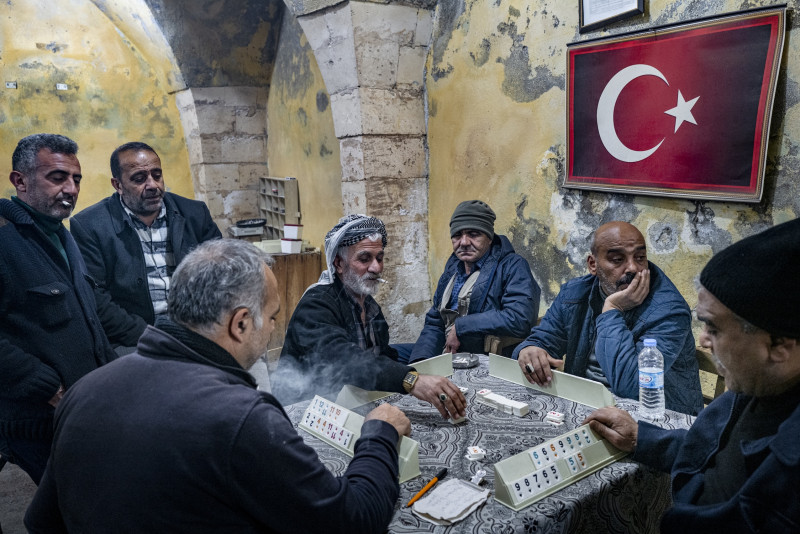
Carla Susanne ErdmannMen playing Okey, a traditional Kurdish game, during a pigeon auction on New Year’s Eve. Şanlıurfa, Turkey, December 31, 2021
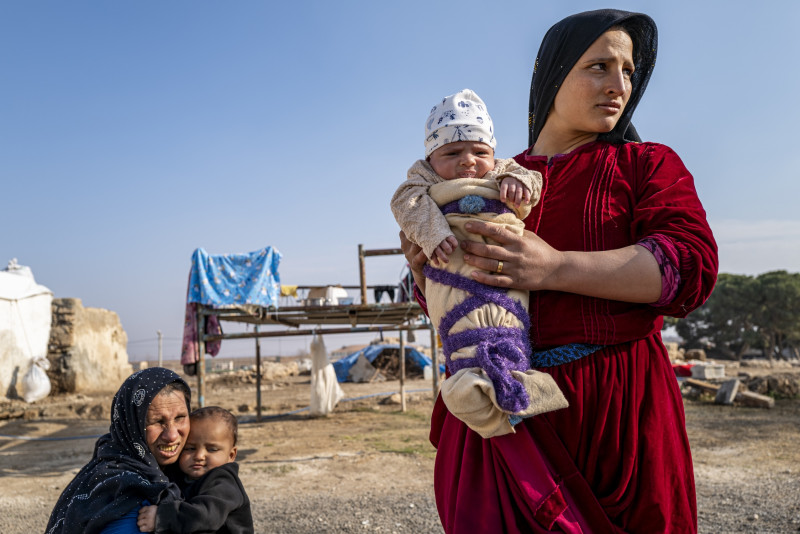
Baby Memeth with his mother, grandmother and older brother in a nomadic camp. Harran, near the Syrian border, Turkey, December 30, 2021
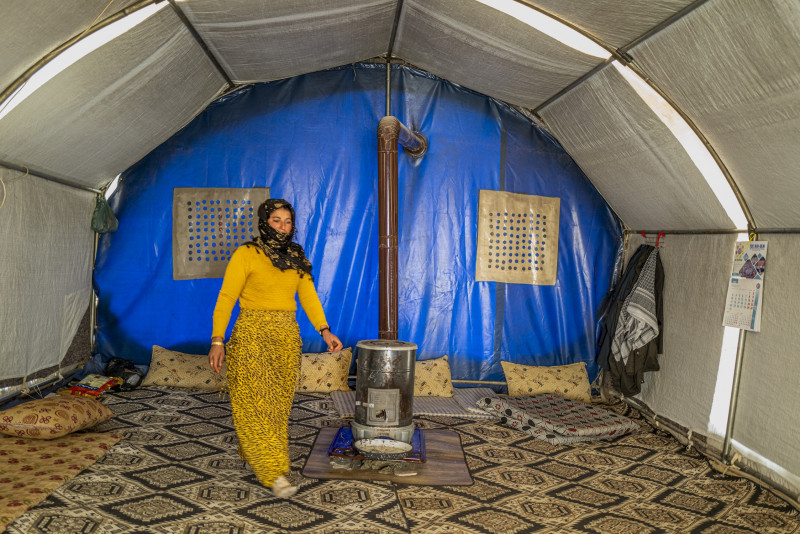
Inside a tent in a nomadic camp. Taşköy, Mardin Province, near the Iraqi border, Turkey, January 2022
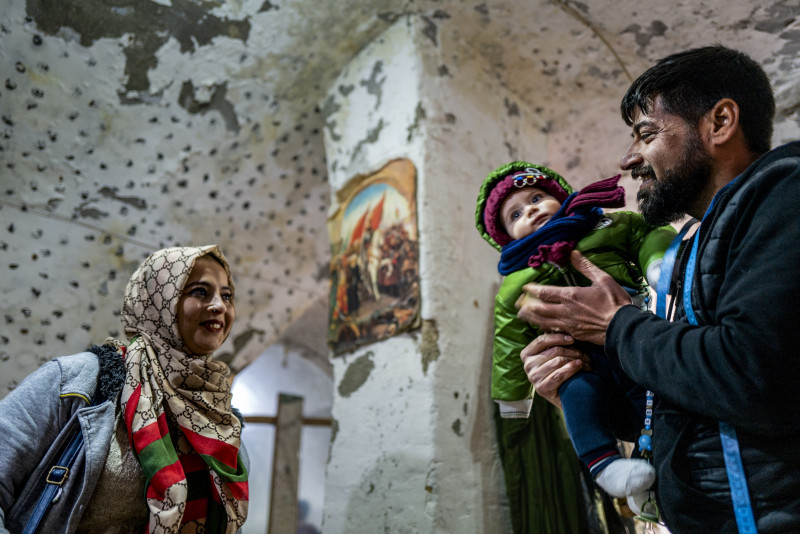
A tailor holding his youngest son, in his shop. Şanlıurfa, Turkey, December 2021
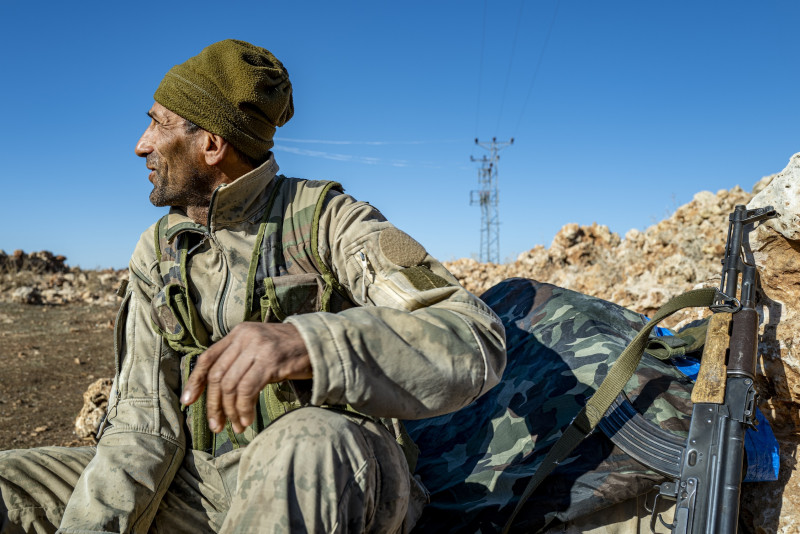
Turkish soldier sitting beside his Kalashnikov. Taşköy, Mardin Province, near the Iraqi border, Turkey, January 2022
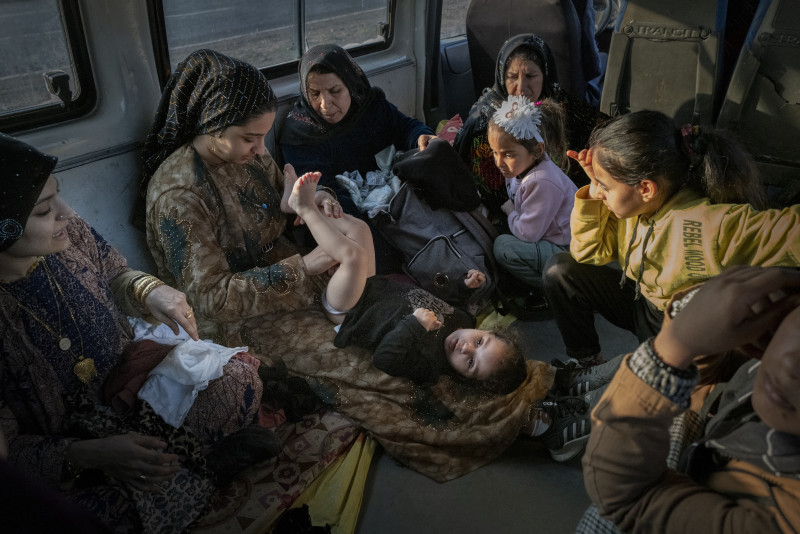
Women and children in a minibus returning from Harran. Harran, near the Syrian border, Turkey, December, 2021
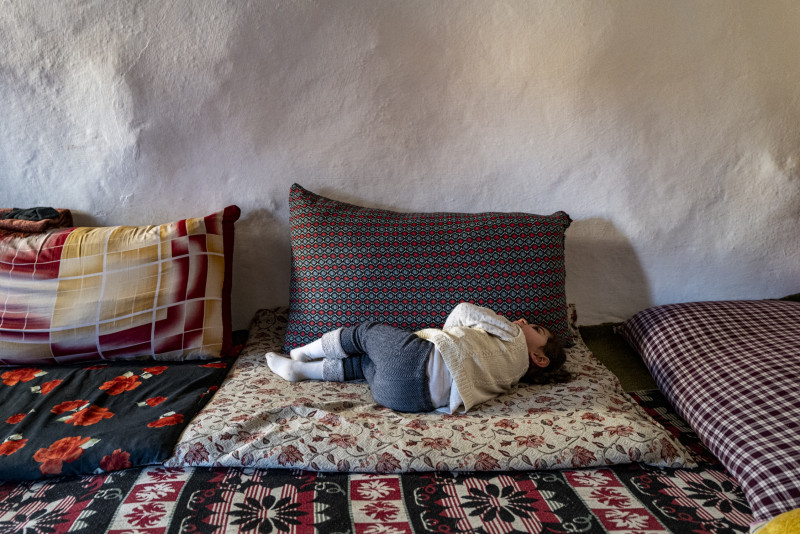
A young girl inside a Kurdish family’s home. Kılıttaşı, near the Armenian border, Turkey, November 2022
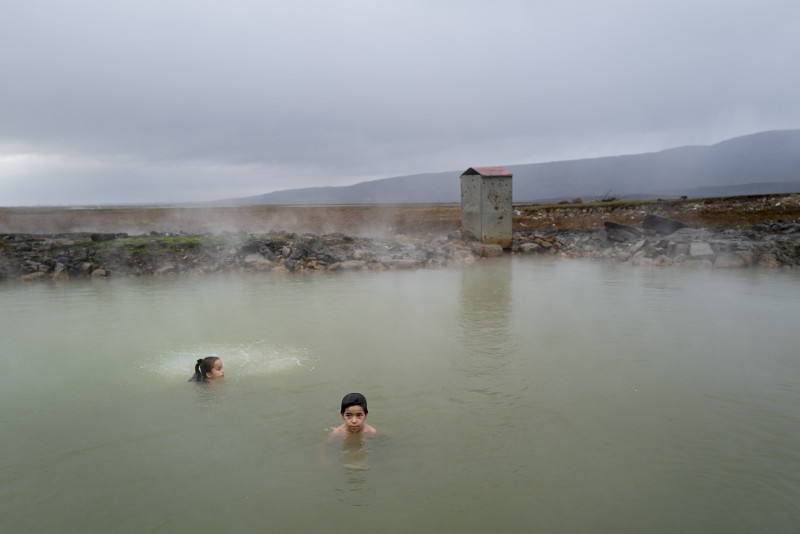
Children bathing in hot springs. Near Güroymak, close to Lake Van, Turkey, December 2021
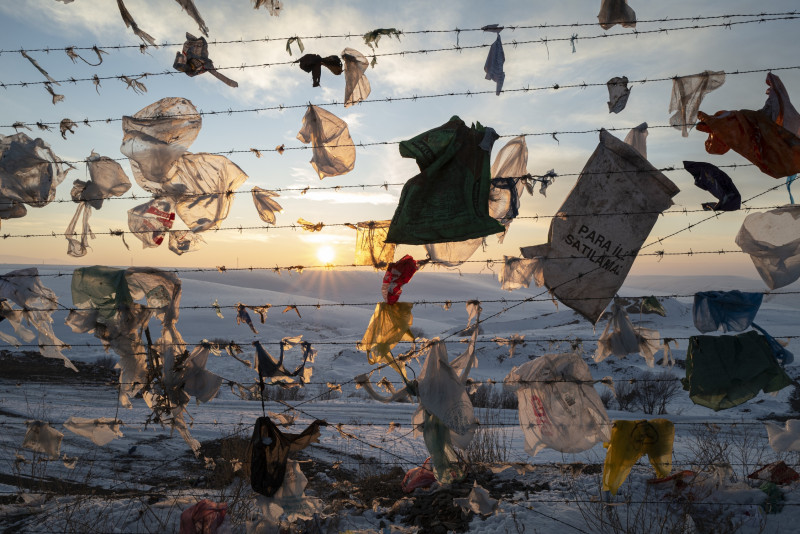
Somewhere along a road in Ağrı Province. Turkey, December 2021
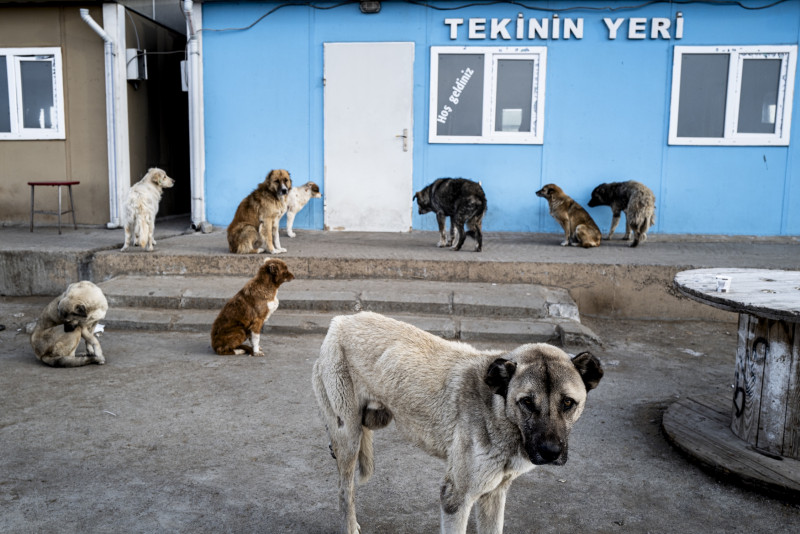
Dogs waiting for food outside a café at a cattle market. Kars, Eastern Anatolia, Turkey, December 2021
Two sisters in school uniforms on their way to school. Yılanlı, near the Iranian border, Doğubayazıt, Ağrı Province, Turkey, December 2021
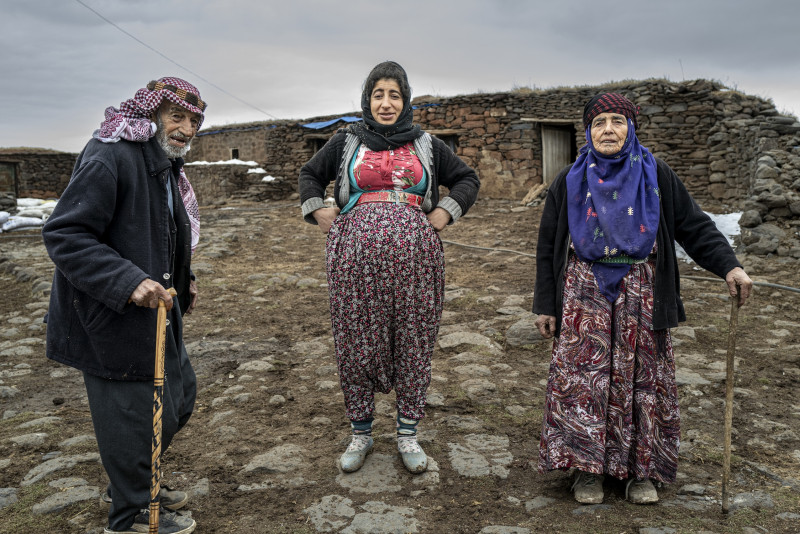
In a small remote village in Şanlıurfa Province. Turkey, January 2022
EQUIPMENT: Leica Q3, Q2, Q with Summilux 28 f/1.7 Asph; M11, M (Typ 240), M6, Summicron-M 35 f/2 Asph, Summilux-M 35 f/1.4 Asph
LFI 3.2026+-
Find Taris’ portfolio on Gitano communities and their pilgrimage to Saintes-Maries-de-la-Mer in LFI Magazine, issue 3.2026. More
Jeanne Taris+-
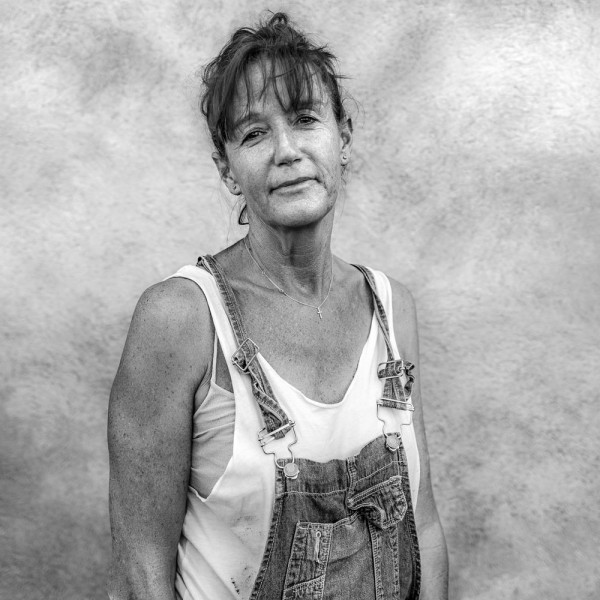
A mother of four, Taris began photographing when she was seventeen but showed no one her pictures. She did not consider herself talented enough to study photography; but during a Leica workshop she met a photographer who encouraged her to show her work. This resulted in publi-cations in Polka and Vice, among others. In 2018 she won the Leica Gallery International Portfolio Award at the Voies Off festival in Arles. More