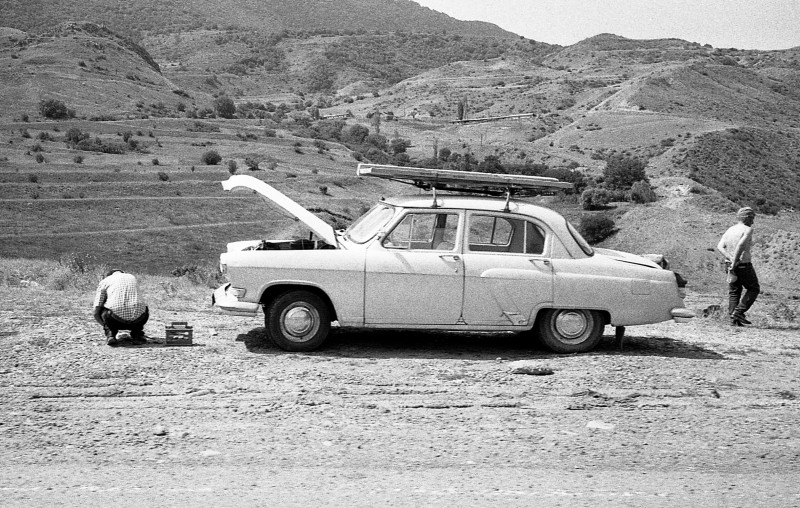
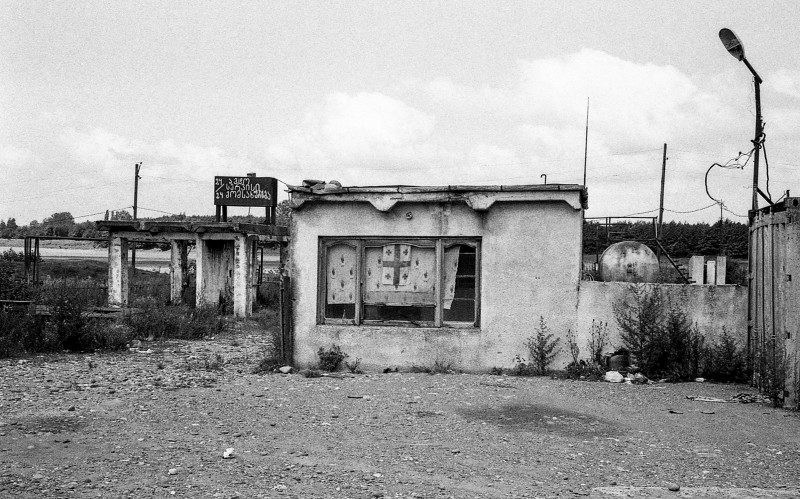
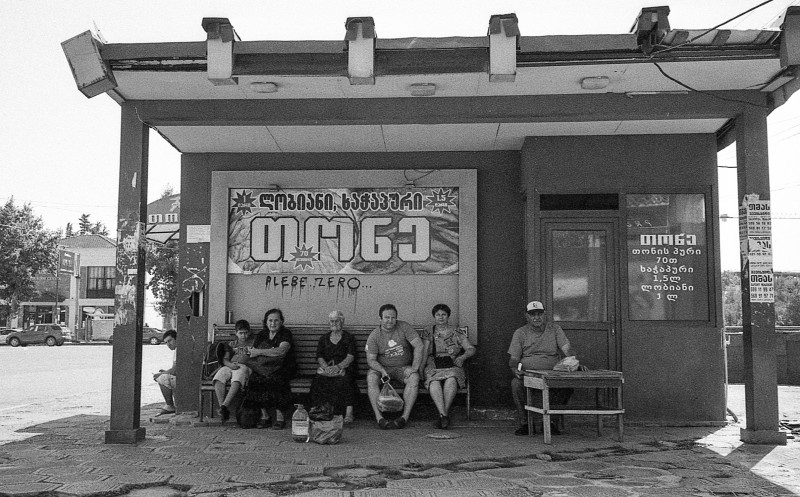
The title of the series refers to the former Queen Tamar of Georgia (1184 to 1213), a cultural icon in her day. LFI community-member Jean-Luc Feixa travelled through a country of stark and tangible contrasts.
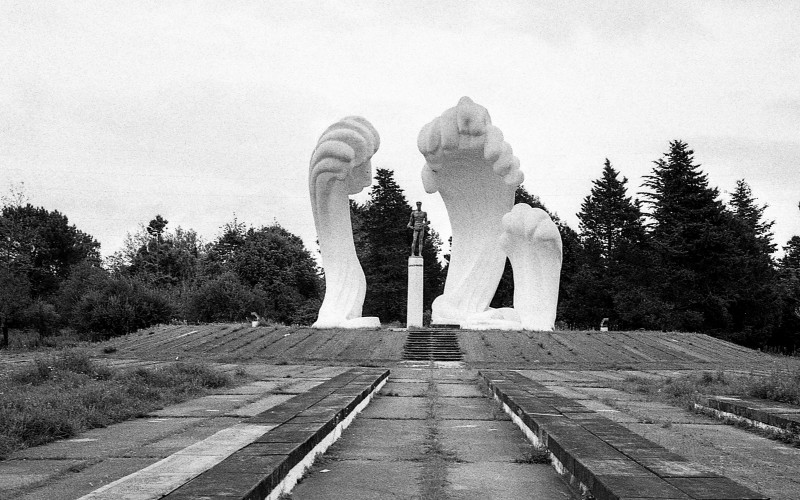
Jean-Luc Feixa says that what lingered longest was the feeling of travelling through a country that currently stands at a crossroad. His pictures speak of a Georgia that moves between Russian influence, European aspirations and Chinese investment.
LFI: How did this project come about?
Jean-Luc Feixa: I have several Georgian friends who live in Brussels, and for years they’ve been telling me stories about their country: the mesmerizing beauty of the Caucasus, the richness of its culture, both artistic and culinary, and the striking contrast between a deeply rooted Orthodox tradition and an explosive modernity. I wanted to experience all of that for myself. Georgia also occupies a paradoxical position. It lies at the edge of Europe, yet we rarely hear about it, except in moments of political tension between Russian pressure and European aspirations. I wanted to go there without a fixed plan, simply to cross the country from east to west and absorb everyday life as it unfolded.
What were you trying to capture with your pictures?
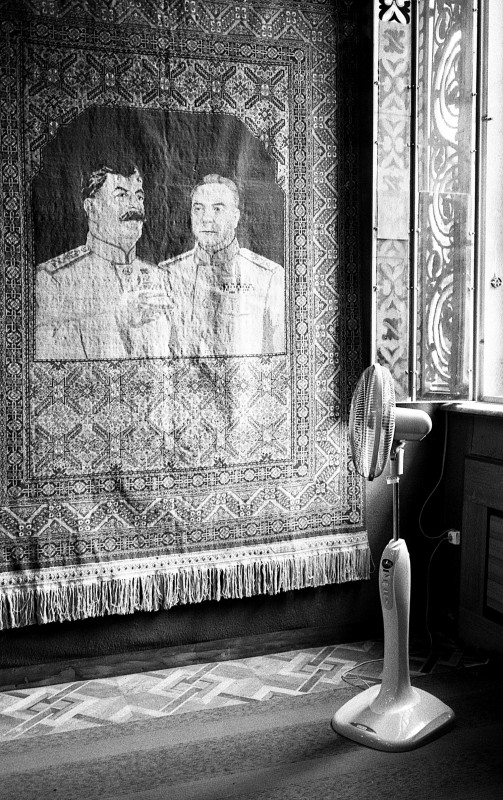
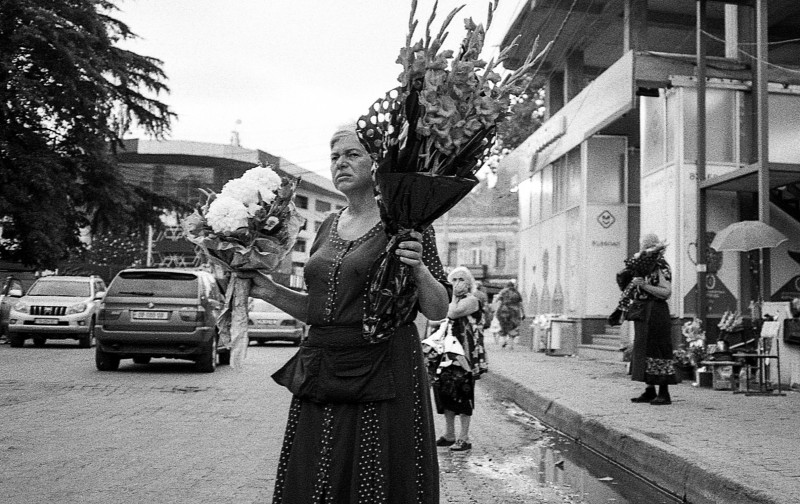
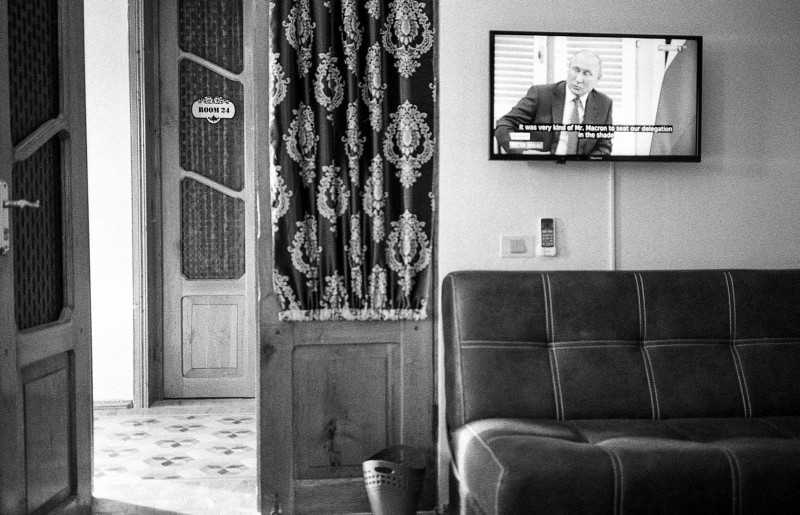
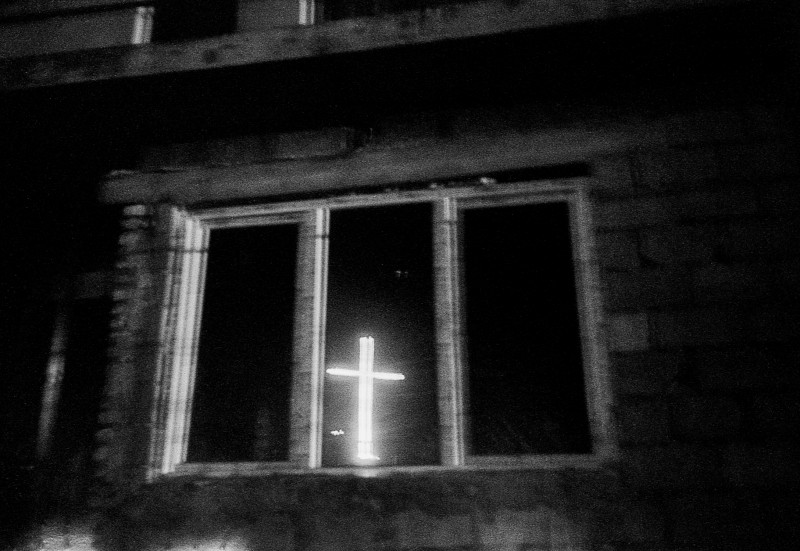
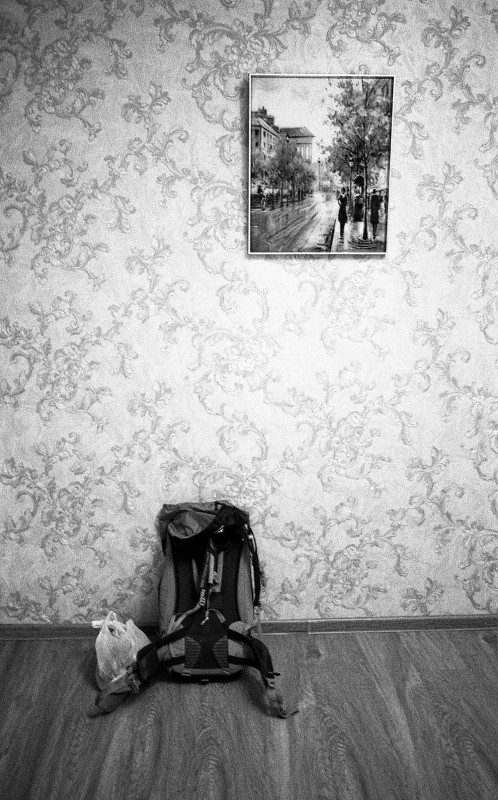
The images are first and foremost impressions. There was no strict documentary intent, more a kind of personal inventory of things that surprised me, intrigued me, or made me smile. A tapestry showing Stalin cooled by a fan, for instance, or women selling enormous bouquets of flowers in the streets of Gori. In a way, these photographs are a distilled version of what I took away from Georgia, both on a human and visual level. They form a pure album of memories, images that, fifty years from now, will instantly take me back to those places. I also wanted to capture something I hadn’t experienced in a long time: travel in its purest form. Weeks of solitude in an unfamiliar place, with that exhilarating sense that anything might happen.
Georgia is known for its magnificent colours, but you chose black and white...
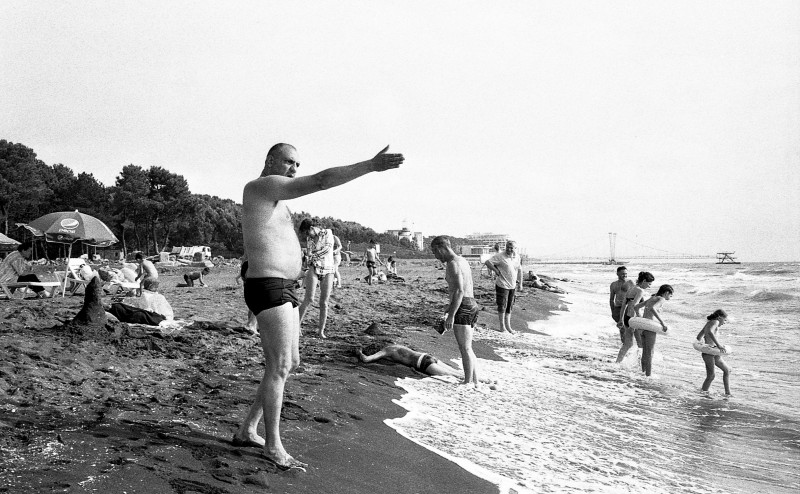
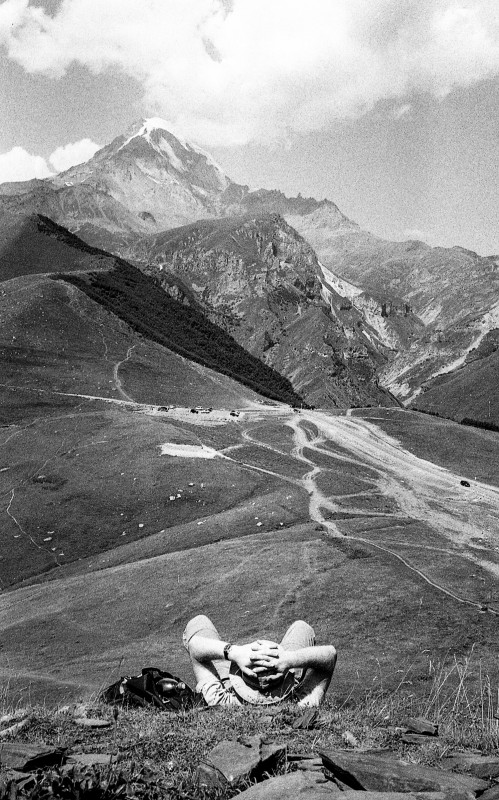
To me, black and white creates distance and invites a dreamlike state. Each image captures an external moment, but also reflects a particular inner state. Black and white also made sense because I decided to develop my film on site. Spending time in the darkroom also gave me space to revisit certain moments: the long hours on the road to reach the Gergeti Trinity Church, facing Mount Kazbek, or the beaches of the Black Sea near the extravagant city of Batumi.
How was your experience with the camera during the project?
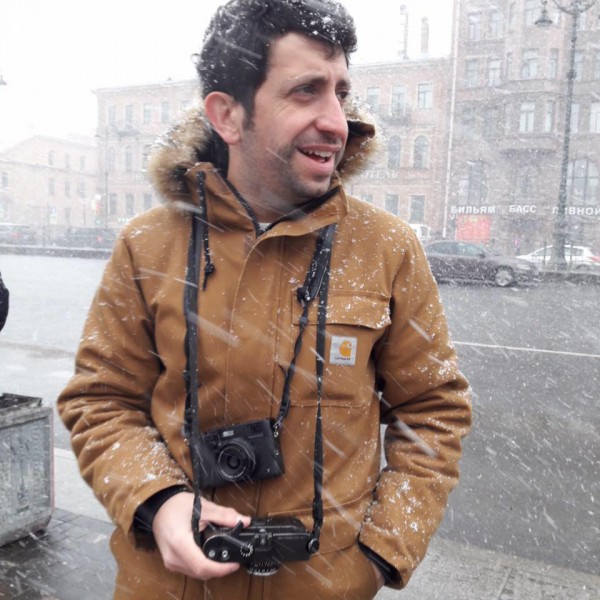
I have a very strong relationship with my Leica M6, almost a symbiotic one. I wouldn’t say I talk to it, but it truly feels like an extension of my eye. I took it everywhere. It’s a demanding camera, and I still make plenty of mistakes with it, but it’s the one that feels most honest for what I’m trying to capture. I didn’t shoot very much, around three hundred frames in total, and I developed the film on location in three separate sessions. In the end, I photographed Georgia like this: wandering freely, without pressure. Being there, and enjoying the process, was what mattered most.
Katja Hübner
Jean-Luc Feixa+-
Originating from the south-west of France, Jean-Luc Feixa picked up photography when he was a teenager, on the advice of his grandfather. At first he turned to photojournalism, but in more recent years has tended more towards long-term, personal projects dealing with subjects such as family, daily life and memory. Feixa is a member of the Salamandre collective, which fosters a diversity if cultural projects in his home region. His work has been published in the international press and exhibited in Europe, Japan and the United Arab Emirates. He is the author of the photo book Strange Things Behind Belgian Windows, which appeared under Luster Editions and PAMUK. More