1/13
1/13
Off Season
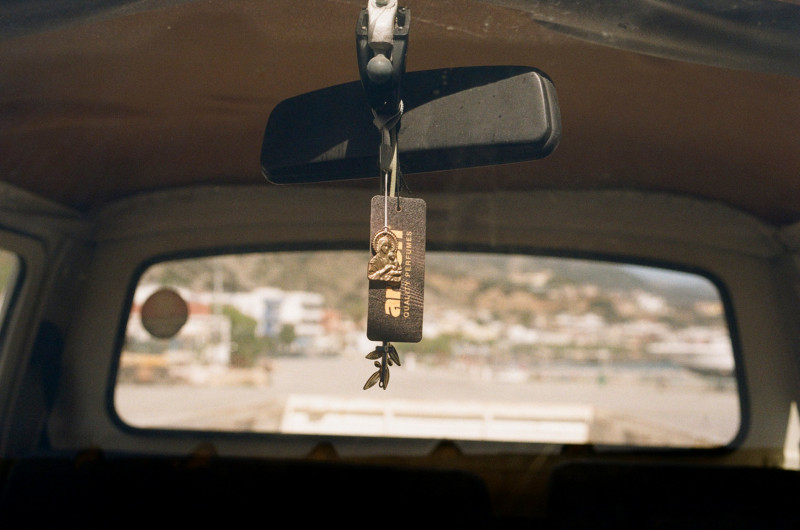
Looking back. All the pictures were taken with the Leica Summicron-R 35 f/2 wide-angle lens, which has a particularly vivid, lifelike effect in its depiction, and has made it popular with videographers
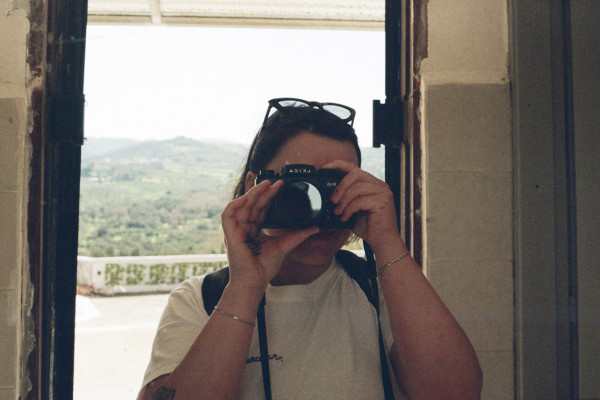
Hannah Agel was born in Bad Oldesloe in 1992. From 2018 to 2020, she trained as a product photographer and in 2021 as a Master photographer. In 2022, she began studying Communication Design at the Muthesius University of Fine Arts and Design in Kiel, and has been employed at LFI since 2025. Nature, still lifes, mood and atmosphere are central themes in Agel’s work. Often captured in spherical lighting and rich colours, her photographs reveal delicate moments and express pathos. As in her photography, she frequently works with analogue materials in her conceptual, multimedia projects. Hannah Agel lives and works in Hamburg. More
Looking back. All the pictures were taken with the Leica Summicron-R 35 f/2 wide-angle lens, which has a particularly vivid, lifelike effect in its depiction, and has made it popular with videographers
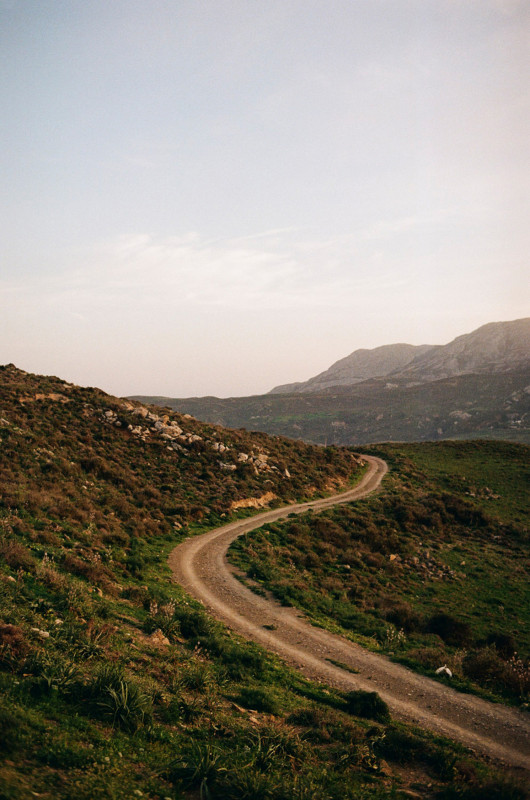
The photographs were taken on Kodak Gold 200 colour film. I like using this inexpensive classic because of its rich colours, high contrast and, as the name suggests, slightly golden, warm tone
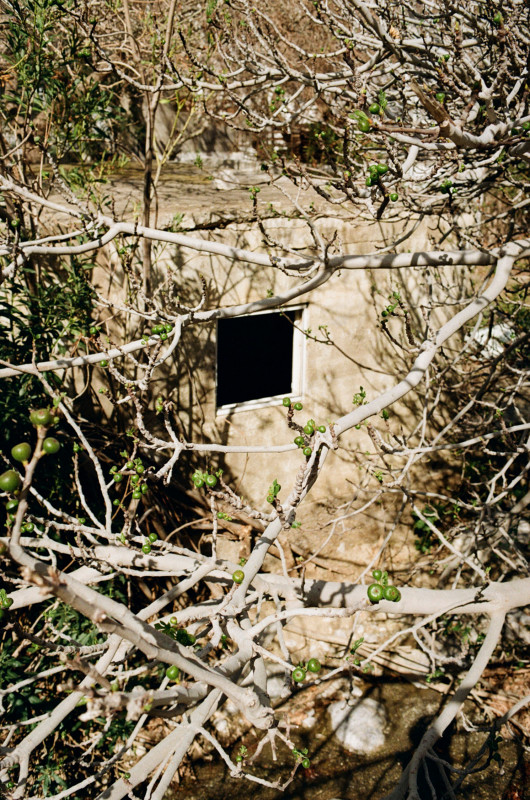
Some trees, like the fig, are still quite bare in March, whereas the orange is in full blossom and gives off a delightful scent
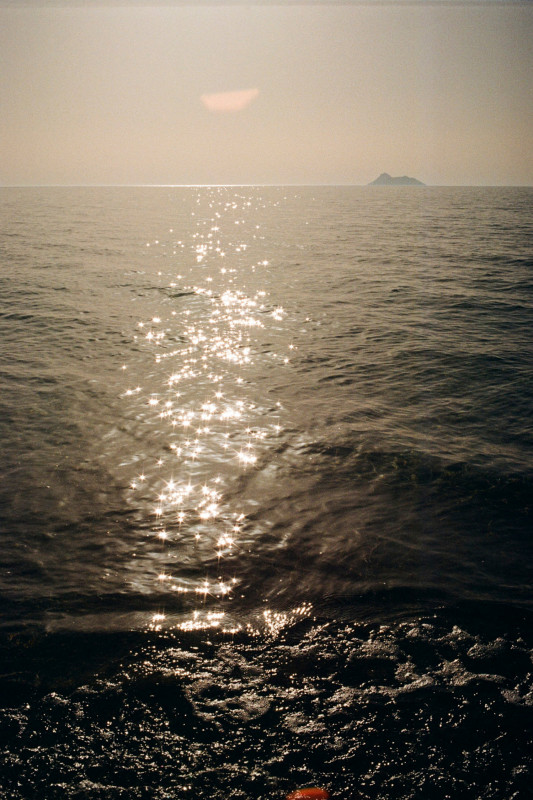
A backlit shot of the Mediterranean. The reflection of the sun on the water’s surface is converted into sparkling stars as a result of a closed aperture (f/16). I find that the small spots of light, created by the lack of a lens hood, enrich the image
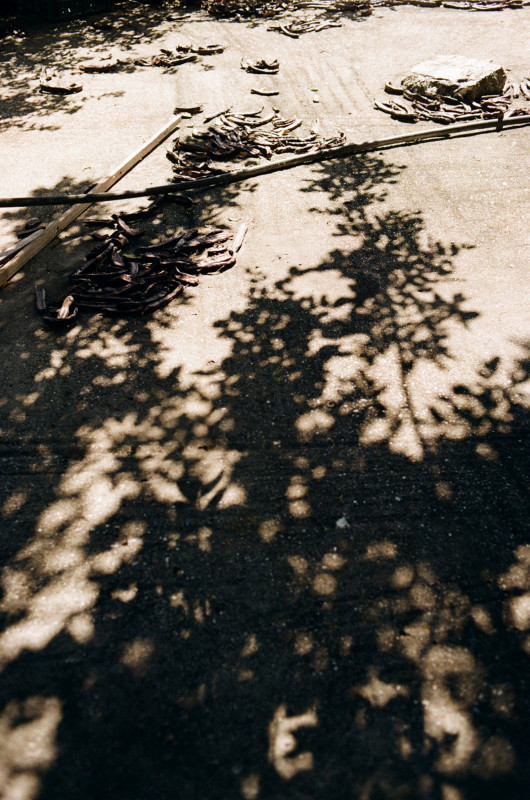
In the interplay of light and shadow, here under a carob tree, I find a motif that never ceases to inspire me
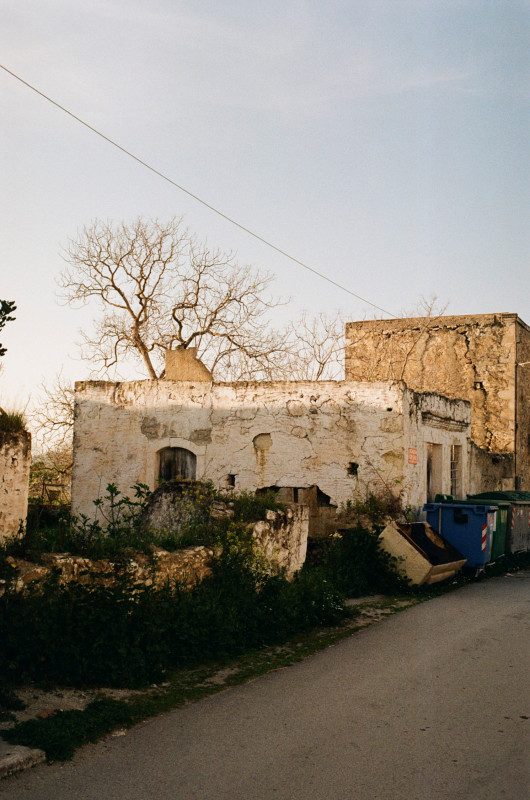
Picture composition at a roadside. Roman, Byzantine, Venetian, Osman and, last but not least, the bloody Nazi occupation from 1941 to 1945: the island’s past is reflected in its architecture and cultural history
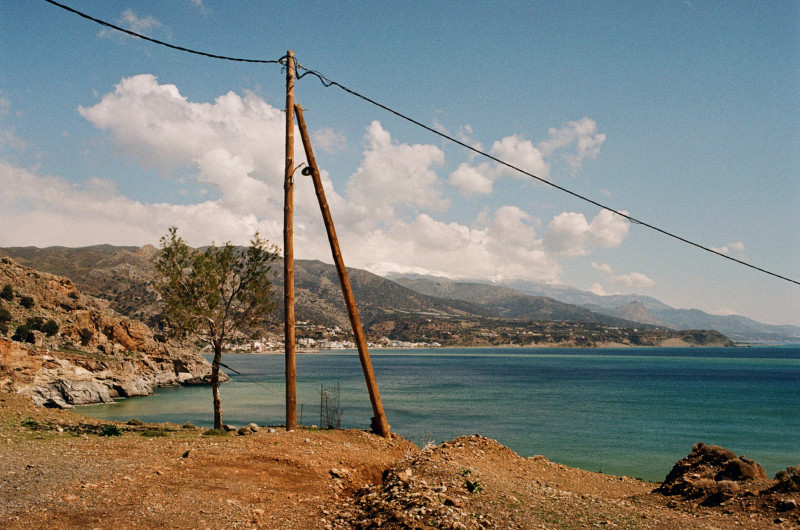
A view towards Tsoutsouros and the snow-covered Dikti Mountains where, according to legend, the cave where Zeus, supreme Olympian god of Greek mythology, was born is found
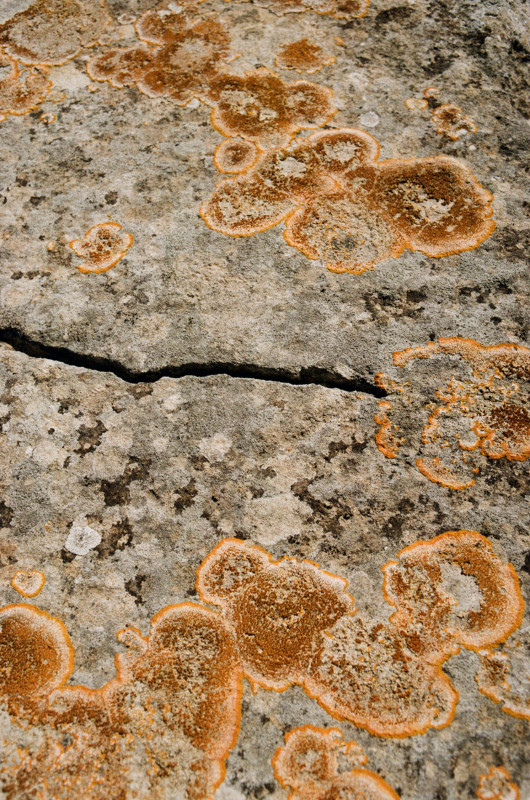
Lichen on ancient building blocks. Even with detailed shots, the Leica Summicron-R 35mm f/2 lens, with a minimum focusing distance of 30 cm, performs well and delivers an impressive razor-sharp focus
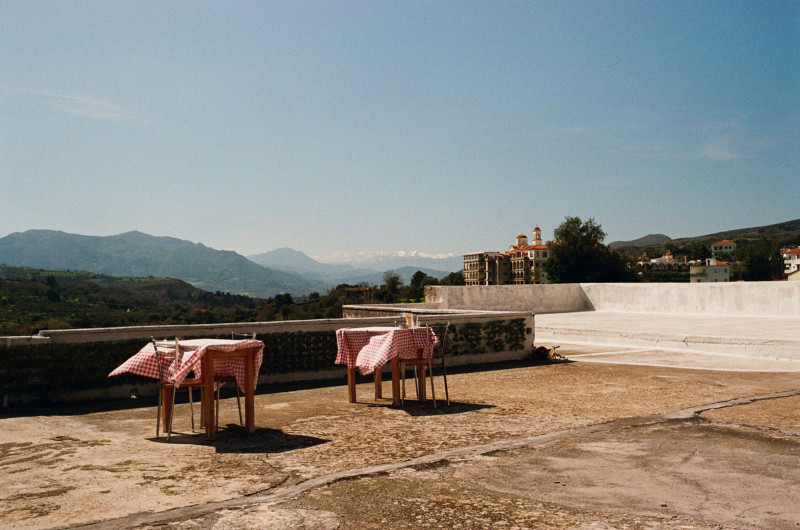
There is plenty of room on Crete in March. This picture is of a restaurant in Spili with a view towards the monastery of Saint Raphael, and the White Mountain (Lefka Ori)
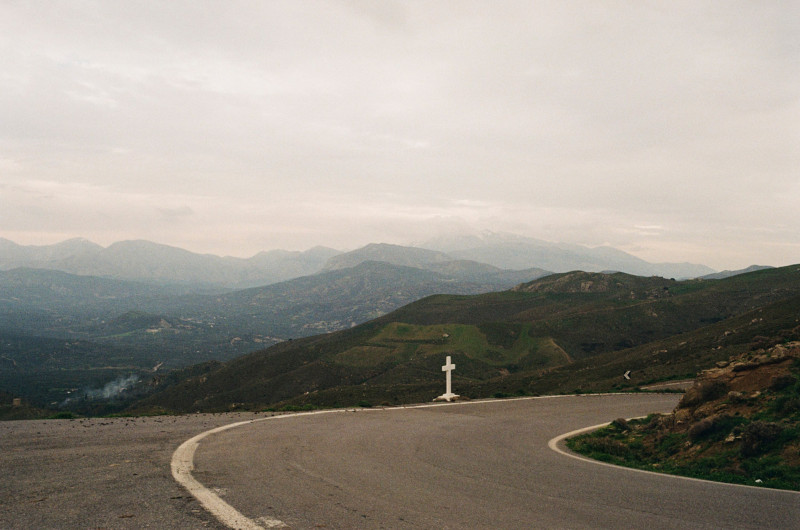
View from the highest point on the windy road to Tsoutsouros. The picture of the Asterousia Mountains shows an aerial view. Due to the light being scattered by particles, dust and water in the air, mountains appear bluer, brighter and with less contrast as they recede into the distance. This physical phenomenon has been used to depict spacial depth in painting since the Renaissance
Preparing myself for the Greek sun, I brought along films with a low ISO number (these are also insensitive to X-rays at the airport) and a Vario grey filter by Rodenstock, as the R6 cannot expose for less than 1/1000 of a second
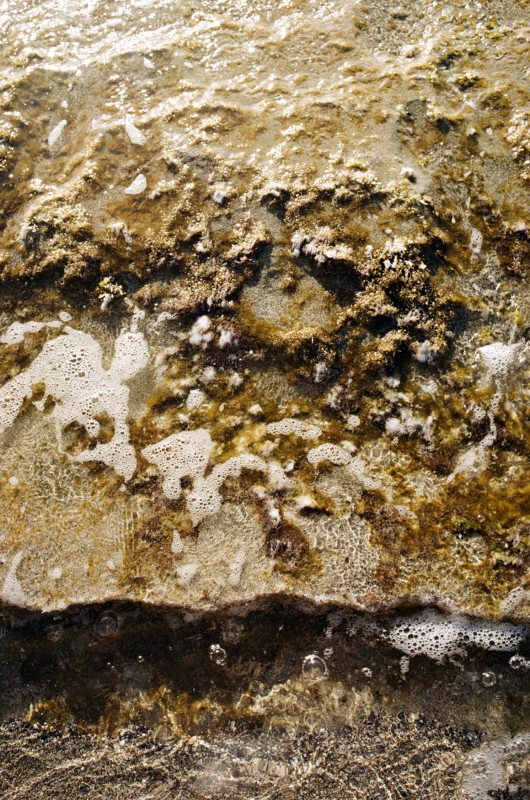
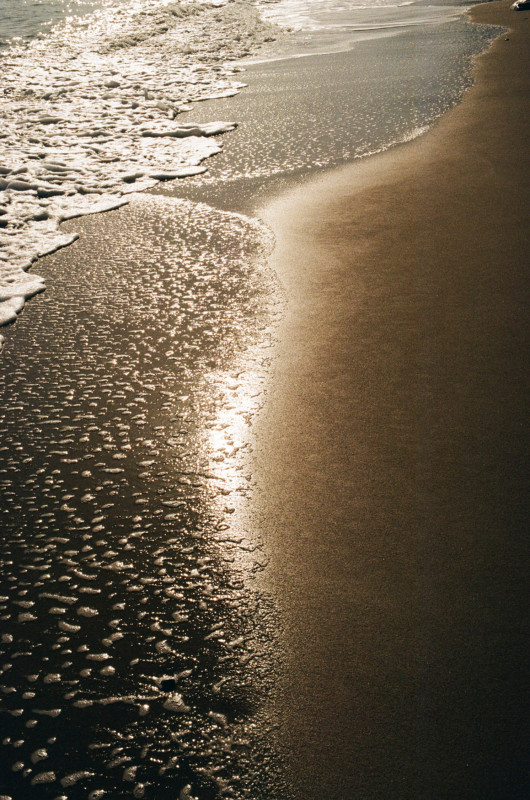
For me, the movement and interaction of light and water always create exciting light (refractions), structures and motifs. An attentive eye reveals details such as these on the beach at Kommos
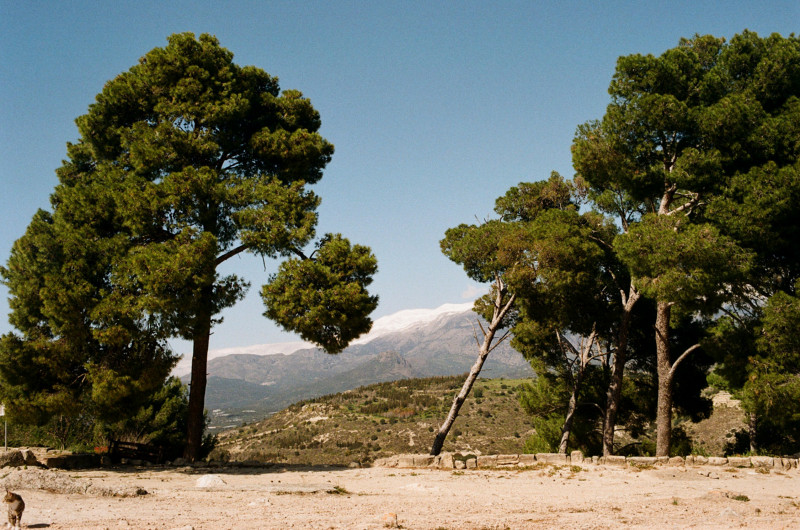
A view of the Ida Mountains framed between pine trees, photographed from the ruins of Phaistos, Crete’s second largest Minoan palace. It was built approximately between 1900 and 1850 BC