
Johatsu
Johatsu
Federico Borella
March 27, 2019
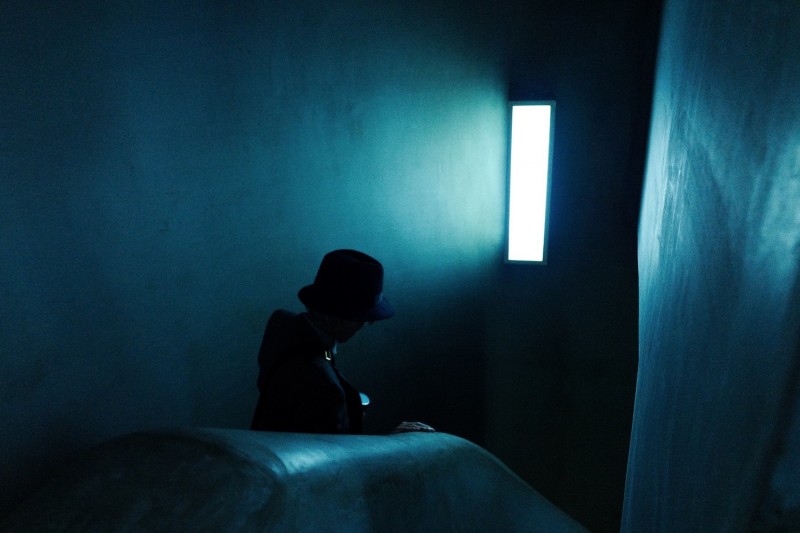
Federico Borella talks about his photo series Johatsu, which is set in Tokyo at night, and based on the well-known contemporary issue of “evaporated people” driven underground by the stigma of debt, job loss, divorce, or even just failing an exam. In his project, he uses suggestive imagery to illustrate this problem in Japanese society.
”Since 1990, almost 100,000 Japanese citizens have decided to disappear to start a new life. In fact, none of these people vanish physically, per se; their “evaporation” is more of an administrative disappearance. These are people of all ages, both men and women, who secretly orchestrate their own disappearance, vanishing from society without a trace, never to be found, and leaving behind mystery and concerned families.
Johatsu cases seem to have first emerged in the late 1960s, bolstered by a 1967 film called A Man Vanishes, in which a man abruptly disappears, leaving behind his job and fiancée. The process of “evaporating” is not as difficult as it may perhaps seem: a shadow society and economy is in place below the surface of Tokyo, waiting to assist these lost souls and organize their disappearance – from moving their things during the dark of night, to erasing any evidence of their existence.”
Image copyright: © Federico Borella
Equipment: Leica Q
”Since 1990, almost 100,000 Japanese citizens have decided to disappear to start a new life. In fact, none of these people vanish physically, per se; their “evaporation” is more of an administrative disappearance. These are people of all ages, both men and women, who secretly orchestrate their own disappearance, vanishing from society without a trace, never to be found, and leaving behind mystery and concerned families.
Johatsu cases seem to have first emerged in the late 1960s, bolstered by a 1967 film called A Man Vanishes, in which a man abruptly disappears, leaving behind his job and fiancée. The process of “evaporating” is not as difficult as it may perhaps seem: a shadow society and economy is in place below the surface of Tokyo, waiting to assist these lost souls and organize their disappearance – from moving their things during the dark of night, to erasing any evidence of their existence.”
Image copyright: © Federico Borella
Equipment: Leica Q
Federico Borella+-
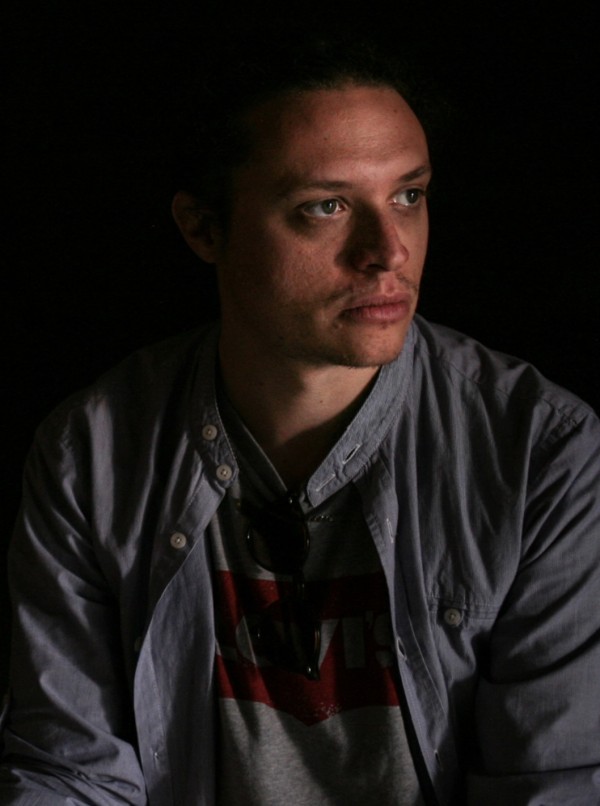
After graduating in Classic Literature and Mesoamerican Archaeology from the University of Bologna, Borella earned a Master’s in Photography and Journalism at the John Kaverdash Academy in Milan. He concentrates on social and ecological issues and has been published in The New York Times, Time, Newsweek and National Geographic, among others. His reportage on people and elephants in Sri Lanka was named “Picture of the Year” in 2024. More