A journey back in time to the legendary, history-defining The Haçienda house club. With Rave One, British photographer Peter J Walsh brings the atmosphere of the Manchester nightclub in the late eighties and early nineties, back to life.
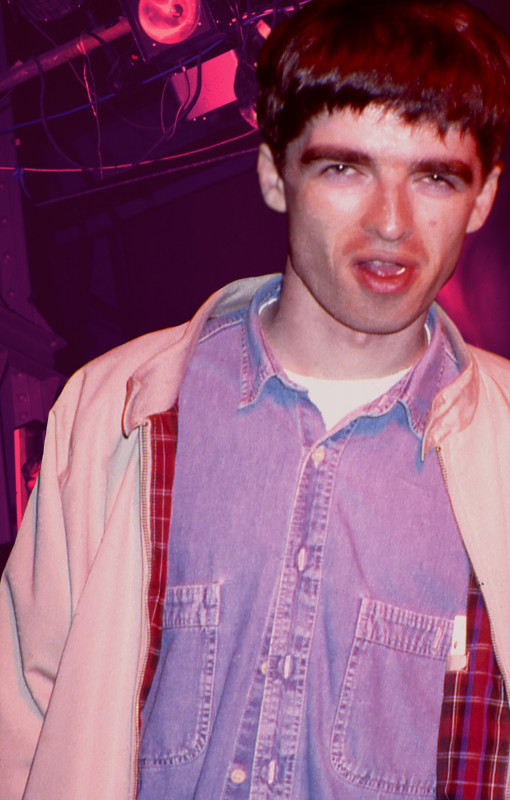
The Haçienda “changed the city and the world forever,” the photographer is convinced. “Back then, I was just happy to be there; but, looking back, I now know, of course, how much this club changed music culture.” This was where you chatted with club founder Tony Wilson, who was to be essential for the music scene in Manchester, or you met the musicians of the bands Happy Mondays, The Smiths, New Order, or also Noel Gallagher or filmmaker Derek Jarman. This is where Acid House was invented: DJs such as Luke Unabomber, Laurent Garnier, Dave Haslam, Jon Dasilva and Mike Pickering allowed dancers to forget time and space. In its heyday, the club even welcomed international stars of the DJ scene, like Frankie Knuckles, David Morales and Tony Humphries.
The Haçienda had been there since 1982. Supported by many musicians right from the start, the aim was to establish a club in Manchester that was different from the existing ones. In contrast to other clubs that still followed a strict dress code of jacket, shirt and tie, you could go to the new venue wearing whatever you liked – in trainers and jeans. The idea was to feel free, to be able to forget the real melancholy of the Thatcher era, with its recession and high rate of youth unemployment. “Young people felt like the forgotten generation under Thatcher’s repressive and authoritarian government. We lived in the shadow of her right-wing government and there were a great many protests in the North, especially in Manchester. There was a sense that you either fought against the oppression of Thatcher and her government or you would go under,” as Walsh explains in the introduction to the photo book. The Haçienda was a place of refuge: “The club was striking and new. We were inspired by the music, the bands and the environment. It opened our hearts and minds to a different life, an alternative perspective, possibility, creativity and meaning,” Walsh remembers. “I loved the club; it felt as though I was part of something bigger, a cultural movement that was pushing me and the rest of Manchester into a bright and bold future.”
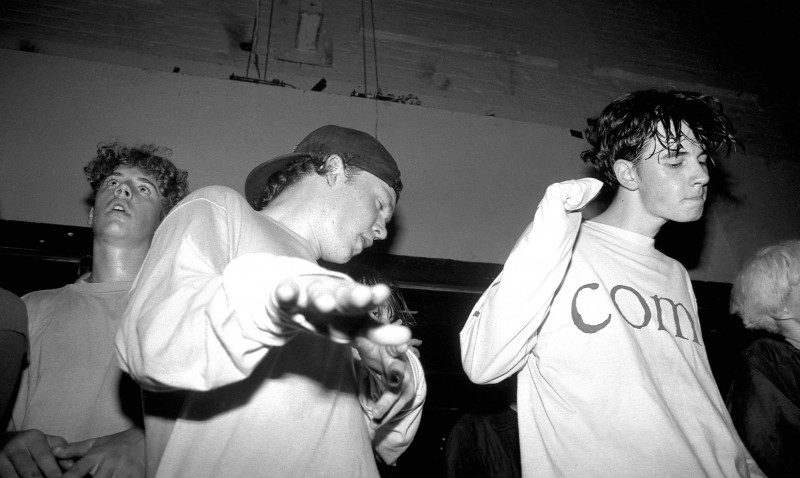
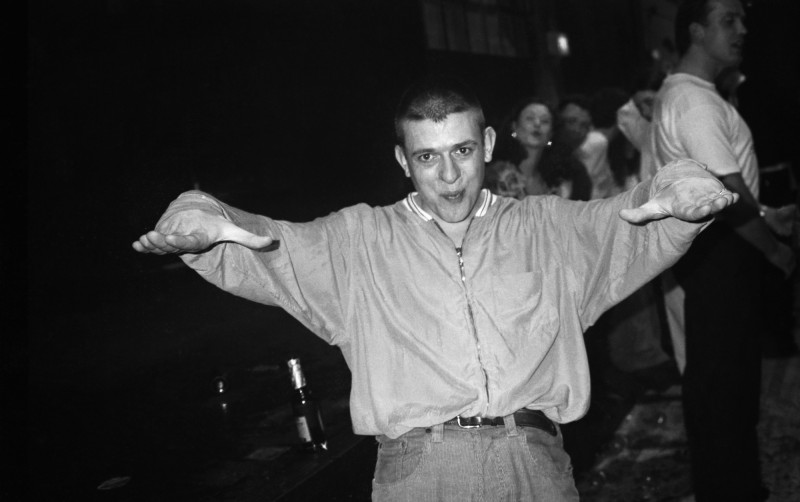
The enormous space – a former yacht showroom – was open seven nights a week. As Walsh says, “…it felt like it had been dropped from space into the centre of Manchester.” At the beginning it was never really full, but that was to change with the arrival of the new House Music and Acid House era of counter culture. In the years between 1987 and 1995, Walsh and his Canon cameras were at the The Haçienda almost every night. Today, the people dancing and partying exuberantly in the photos are probably soon to be pensioners, but Rave One is a wild look back at a euphoric, bygone chapter in music history. Just like analogue films have long been part of photography history. Walsh’s snapshots are only able to convey a fraction of the club’s actual atmosphere, but the images represent a unique record of an era. For those who were there, it may well produce sentimental memories; for more younger viewers an amazing discovery.
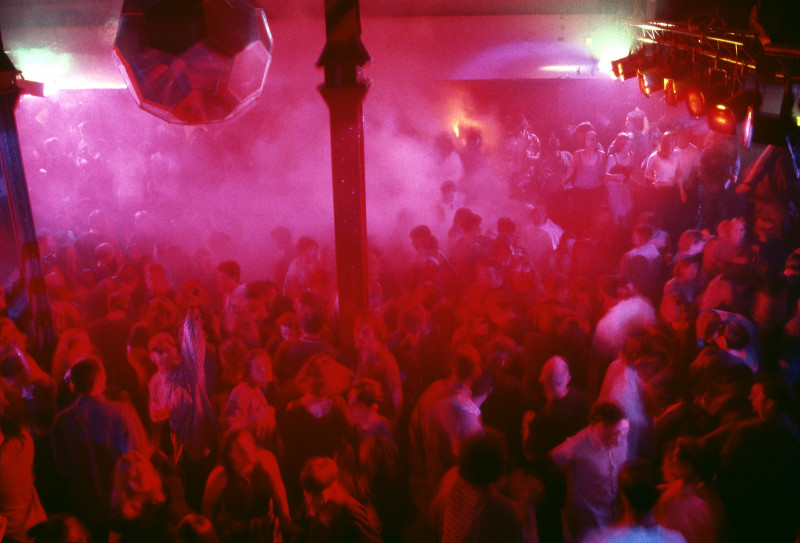
Ulrich RüterThe Haçienda main dance floor bathed in pink light
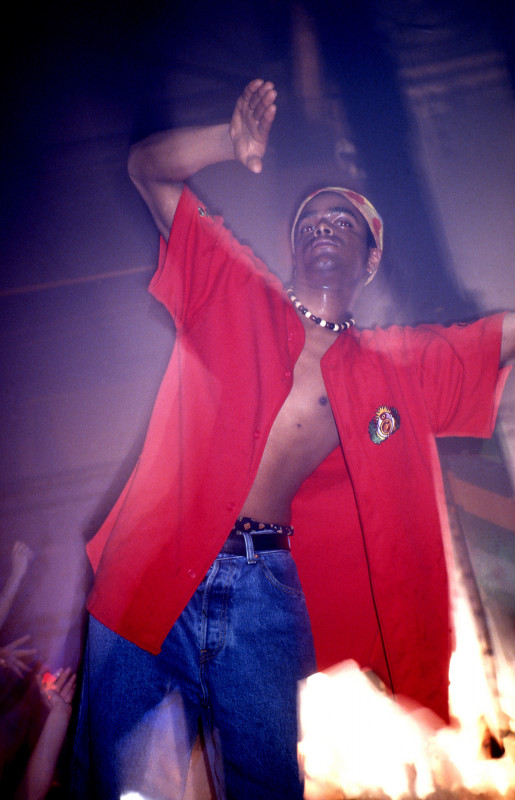
Raver on the podiums on the main dance floor
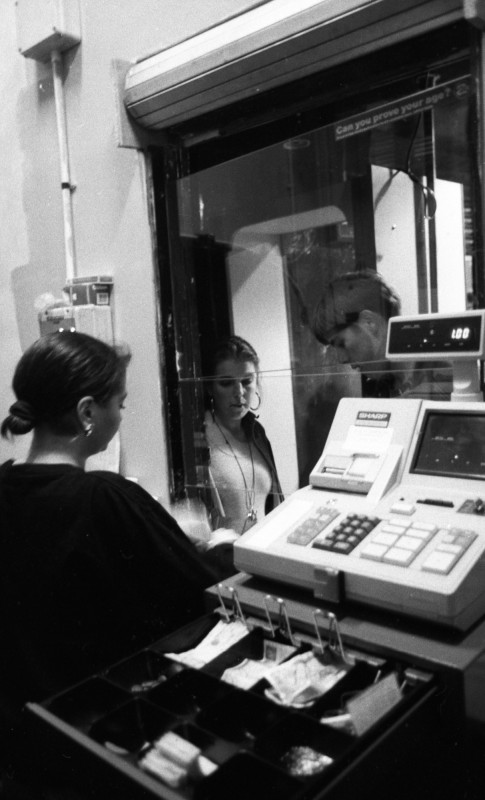
Paying for entry at The Haçienda reception area
Luke Unabomber after closing time
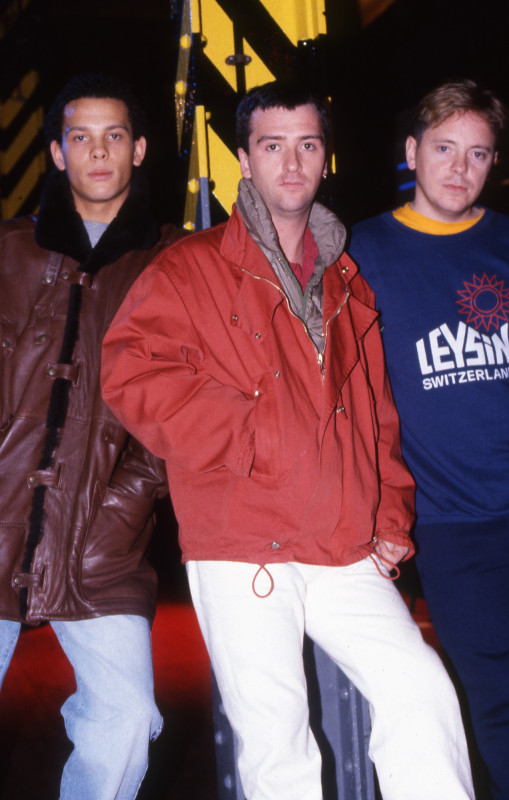
Electronic with Johnny Marr and Bernard Sumner
Bez [Happy Mondays], Tony Wilson and P.D. [Happy Mondays]
Bernard Sumner [New Order] with a dance floor bollard
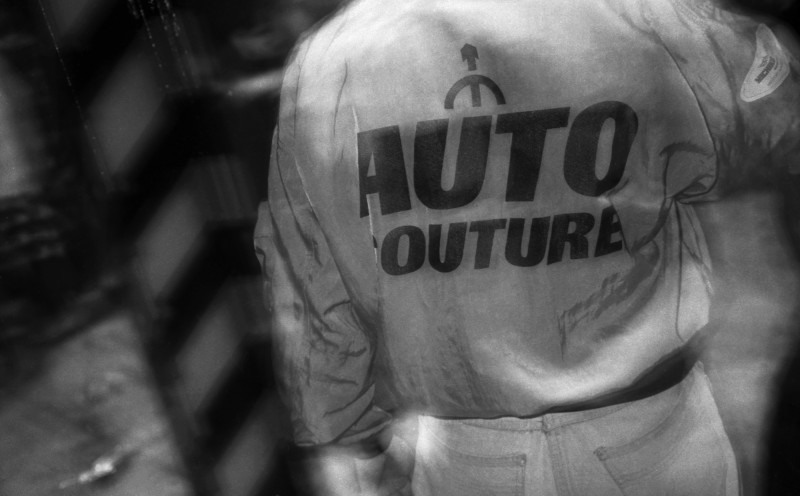
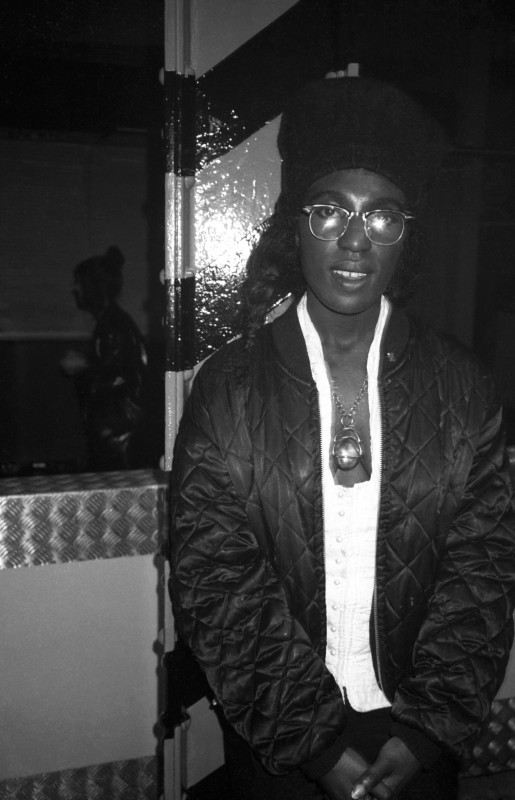
AUTO COUTURE Motor King by Michiko London jacket on the dance floor
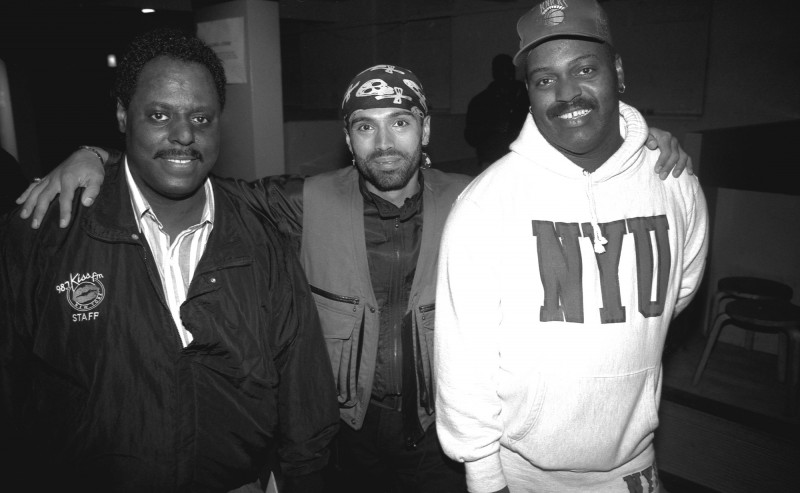
11th birthday party DJs Frankie Knuckles, David Morales and Tony Humphries
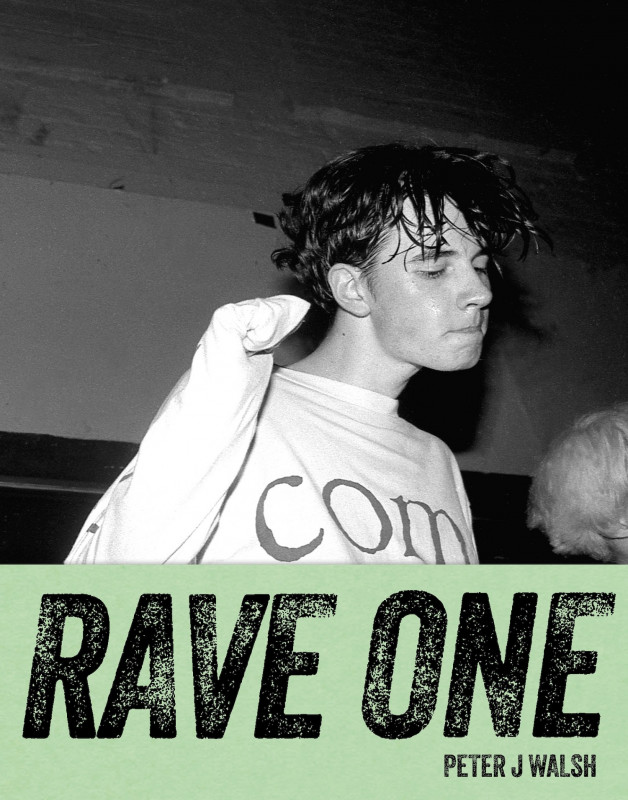
Rave One. A photographic history of The Haçienda+-
With an introduction by Peter J Walsh
160 pages, 110 colour and black and white images
25.5 × 20 cm, English
Idea Books
![10_Peter J Walsh - Rave One - Bez [Happy Mondays], Tony Wilson and P.D. [Happy Mondays]](https://lfi-online.de/webfile/img/11151362/10_Peter-J-Walsh-Rave-One-Bez-Happy-Mondays-Tony-Wilson-and-P-D-Happy-Mondays-.jpg?x=800&y=800)
![11_Peter J Walsh - Rave One - Bernard Sumner [New Order] with a dancefloor bollard](https://lfi-online.de/webfile/img/11151363/11_Peter-J-Walsh-Rave-One-Bernard-Sumner-New-Order-with-a-dancefloor-bollard.jpg?x=800&y=800)