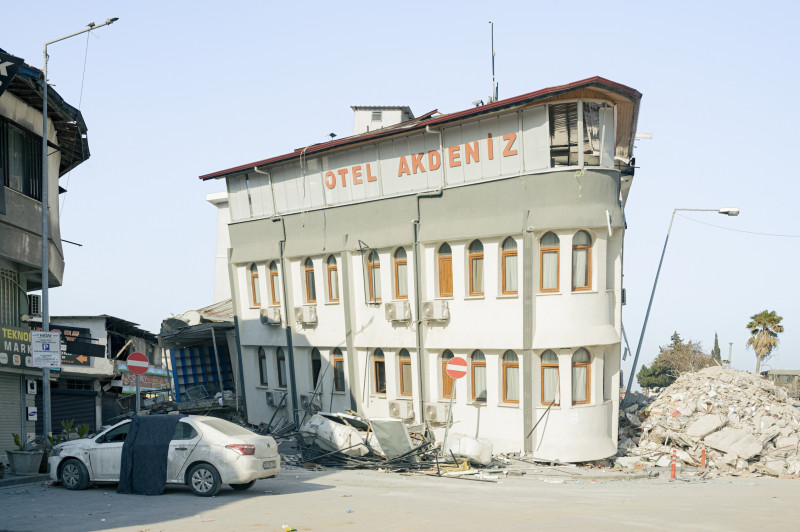
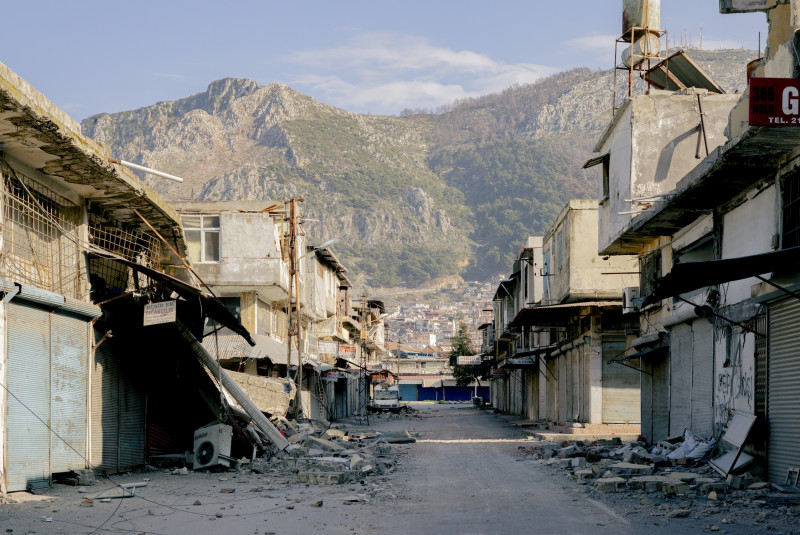
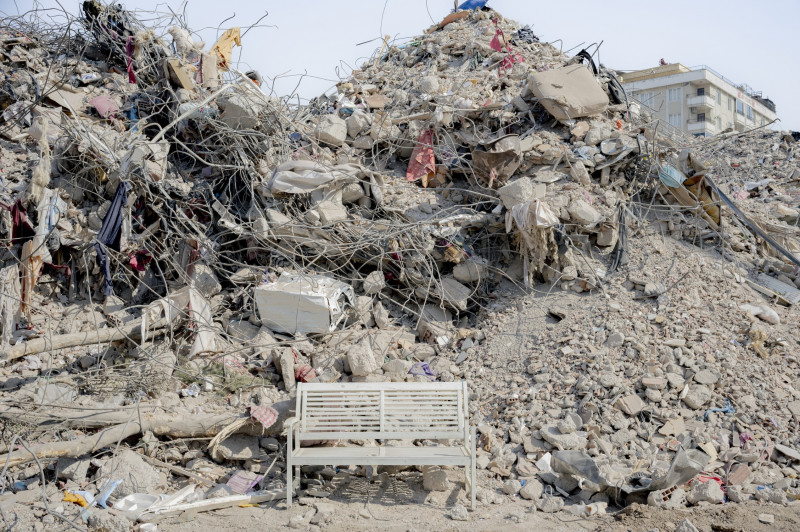
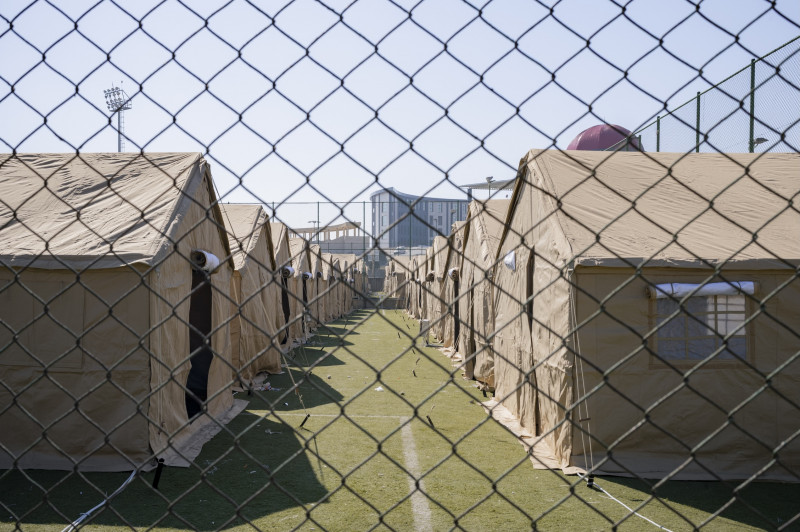
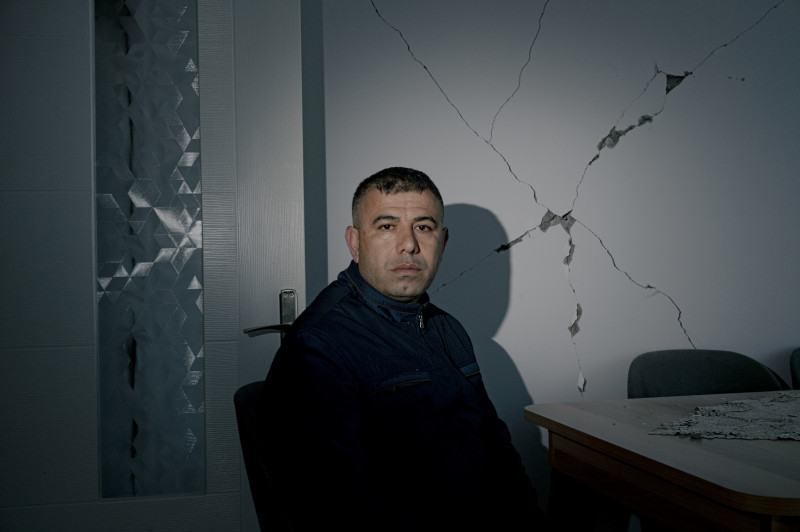
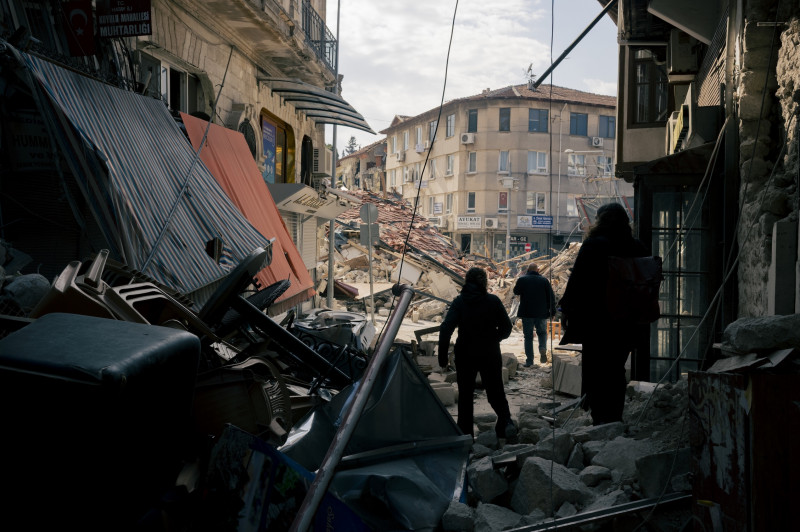
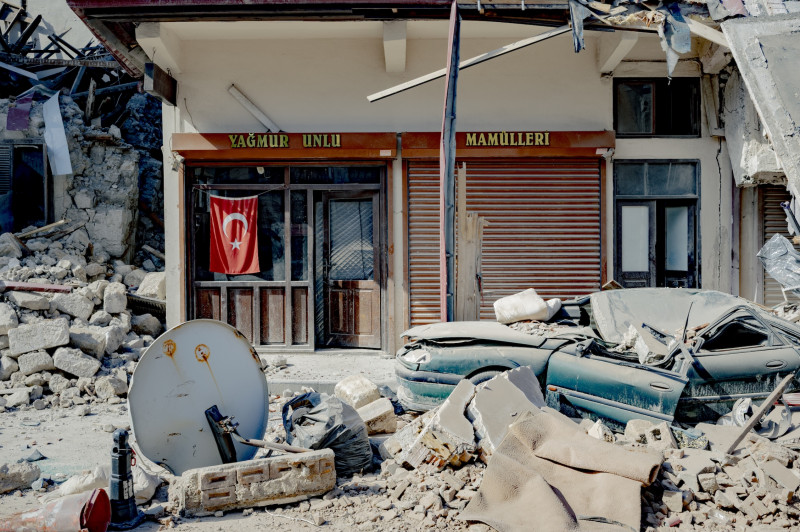
On February 6, 2023, the earth shook off the southern coast of Turkey and the northern coast of Syria. On assignment for the French newspaper, Le Monde, photographer William Keo travelled to the site of the disaster.
Within a question of seconds, thousands of buildings collapsed and millions of people found themselves on the streets: two years ago, two devastating earthquakes shook Turkey and Syria. There were 60.000 deaths and 125.000 injured. For photographer William Keo, the journey to the sites of the tragedy was more than just an emotional challenge.
LFI: Two years have passed since the terrible earthquakes – what memories do you have of them?
William Keo: I have mixed feelings. For me, it was a disaster of unprecedented proportions, both socially and naturally. The earthquakes affected so many people over such a large area that I felt overwhelmed by events and didn’t really know how to cover them. I just took what I was given. Above all, I realized that once the natural disaster was over, human nature brought underlying tensions to the surface, highlighting discrimination against communities and corruption.
What challenges did you face as a photographer?
When I was called to cover the aftermath of the earthquakes, the editorial team wanted me to focus mainly on Syria. It was very difficult to access, as the affected areas were in the enclaves of Idlib and Afrin, regions led by Ahmed Al-Sharaa, the new Syrian president and former member of Al-Qaeda and ISIS, and by the Turkish Advanced Forces. Only one country could grant access to these regions: Turkey. At the time, Turkey and France were in diplomatic tension, making our request difficult. When we finally visited the region, we had very little time there – less than half a day. The logistics were not easy, with many hotels out of service and destroyed roads not marked on GPS systems. The challenge of covering such a major disaster is also in finding the right distance to keep from the people, to tell what happened without falling into voyeurism.
Were there any rules or guidelines from Le Monde regarding your photos?
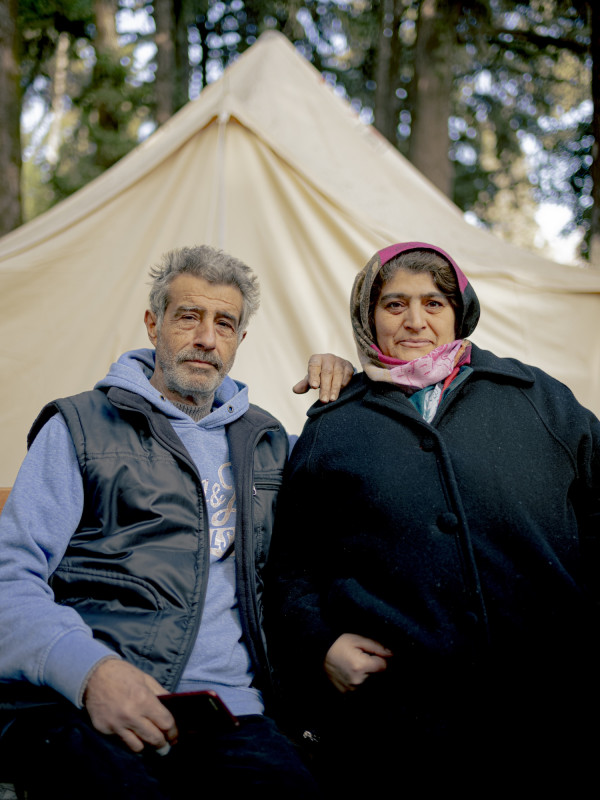
While waiting to gain access to Syria, we went to the epicentre of the earthquakes: Antakya, Kahramanmaras and Pazarcık. We wanted to tell the story of the affected cities and the lives of civilians. Some regions also revealed that the earthquake was a disaster in places such as Pazarcık, which is predominantly Kurdish and poor. Some cities are home to important historical heritage sites. The editorial team didn’t make any specific requests; they trusted me. I wanted to convey the scale of the disaster, sometimes by composing images of landscapes with people occupying little space in the frame.
What was your photographic approach?
I wanted a very down-to-earth approach, so I only took 35mm and 50mm lenses, two Leica cameras, and a flash, which meant I had to get very close to things. I wanted discreet, small cameras, especially when meeting people; to put them at ease. You might not realize it, but it was quite physically demanding because of the very rough terrain, and the weight of the cameras was not insignificant.
Do you believe that photography as a medium is capable of conveying the full extent of horror and suffering?
I think photography is insufficient to convey all the horror and suffering to us. We get a partial, visual idea, and that’s what strikes us, the beauty or horror of a photograph, which can’t describe everything. That’s why we add captions to our images. These experiences go beyond the visible realm; trauma is a profound multisensory experience that we try to explain by using empathy and putting words to the unspeakable. I often work on complex themes, trying to create legible and understandable images of complex stories to make them accessible.
Katja Hübner
LFI 5.2023+-
Find another portfolio by William Keo about life in the suburbs of Paris in LFI Magazine 3.2023. More
William Keo+-
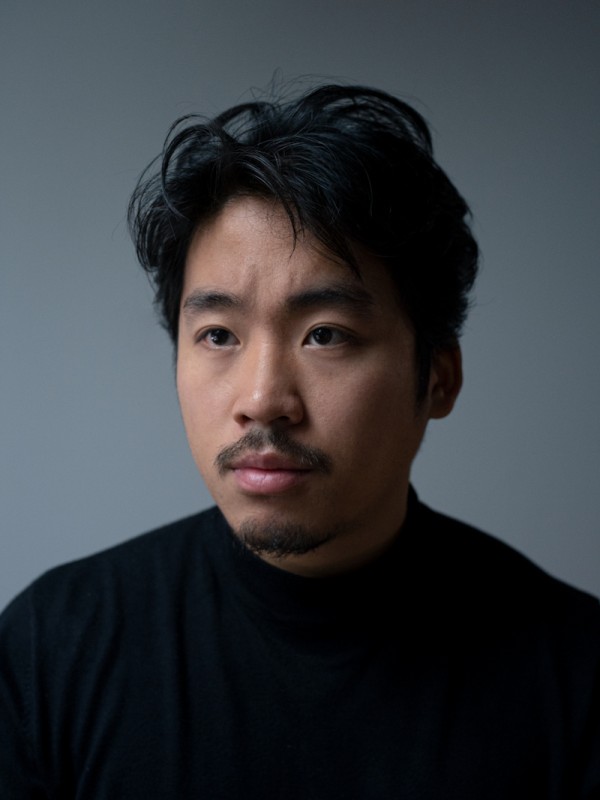
© William Keo/Magnum Photos Born in France in 1996 to a family of Cambodian refugees, Keo’s work deals with subjects such as migration, social marginalisation and intolerance between different communities. Keo began his photography working for NGOs, and since 2019 has worked for The New York Times, National Geographic, Le Monde, Libération, Vogue and New York magazine, reporting on conflicts in Iraq, Syria, Ukraine, Israel and Palestine. He was represented by Magnum Photos between 2021 and 2024. His current project is dedicated to the descendants of immigrants from post-colonial France, who live in the banlieues of Paris. More