Ozzy for one last time, a unique concert, a camera in the middle of the mosh pit: Todd Parsons travelled across the globe to capture the heavy metal myth where it all began – in Birmingham, Great Britain.
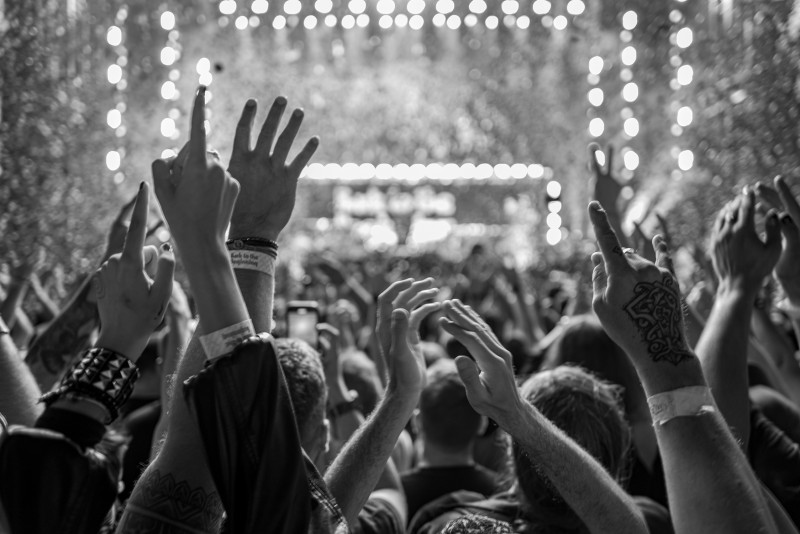
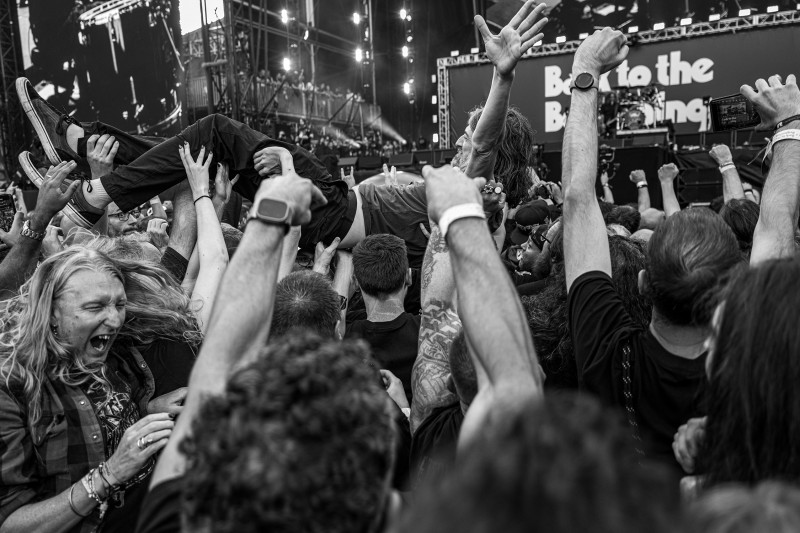
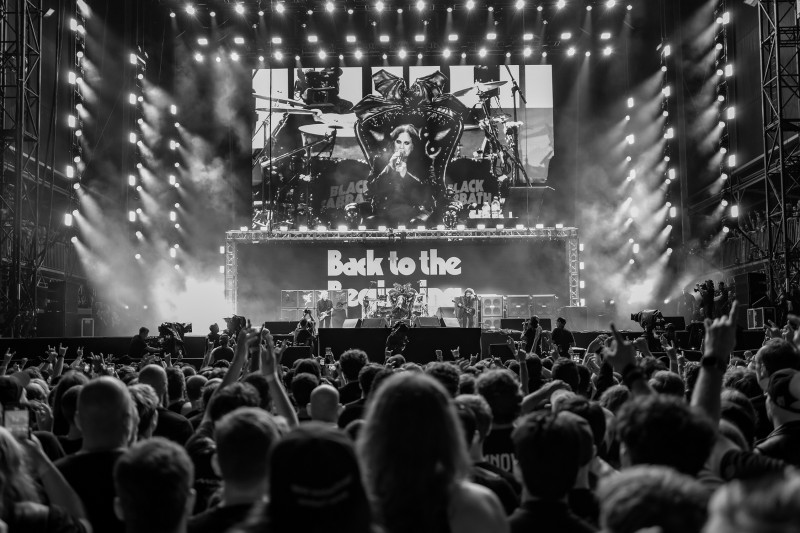
“According to general opinions, the Big Bang of Heavy Metal took place in September 1970, when Ozzy Osbourne and the members of Black Sabbath released their album Paranoid. That first spark set the eternal and demonic flame of a new music genre on fire. Half a century later, fans and musicians influenced by Ozzy came together in Birmingham, to celebrate his career and his success. For the bands that were present, it was an opportunity to pay tribute to the Masters of Metal; for the fans, the performances of the day represented a revisit to the soundtracks of their youth. On July 5, 2025, they travelled from every corner of the world to the heart of the Heavy Metal universe, to experience the Back to the Beginning concert.
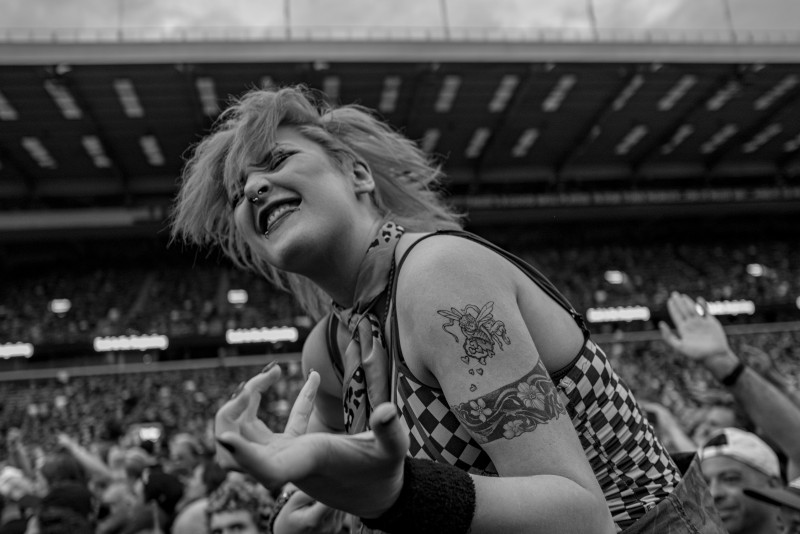
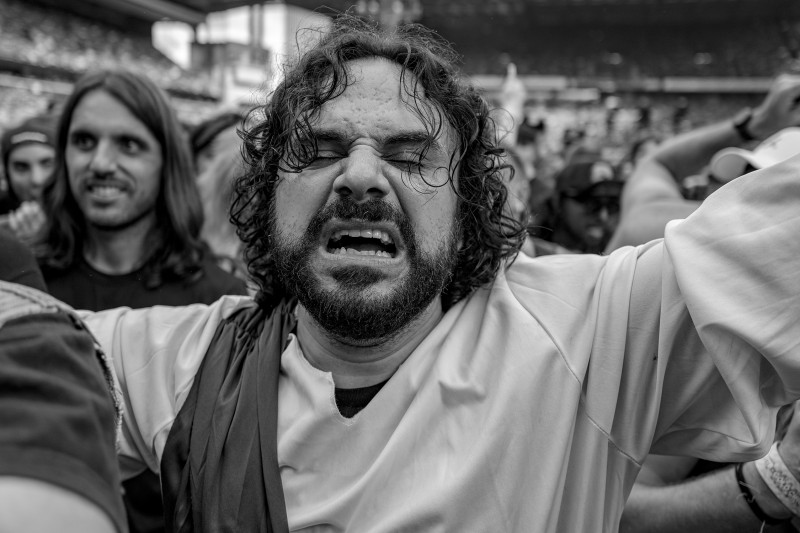
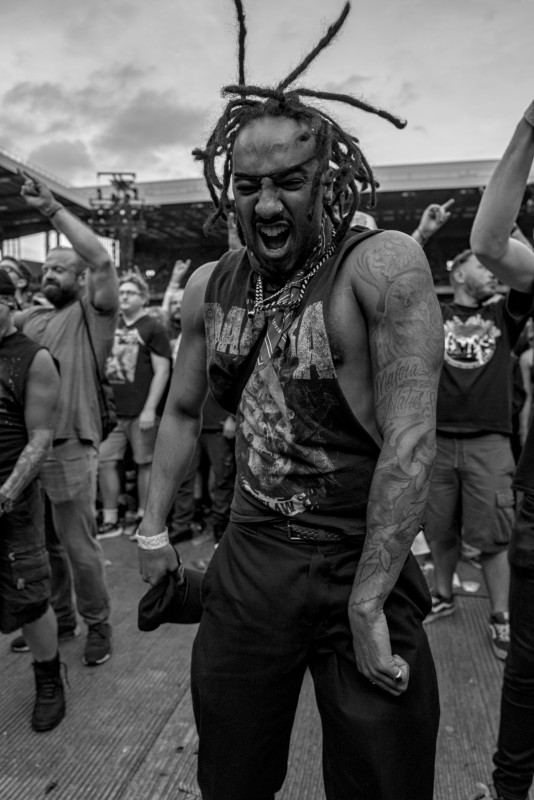
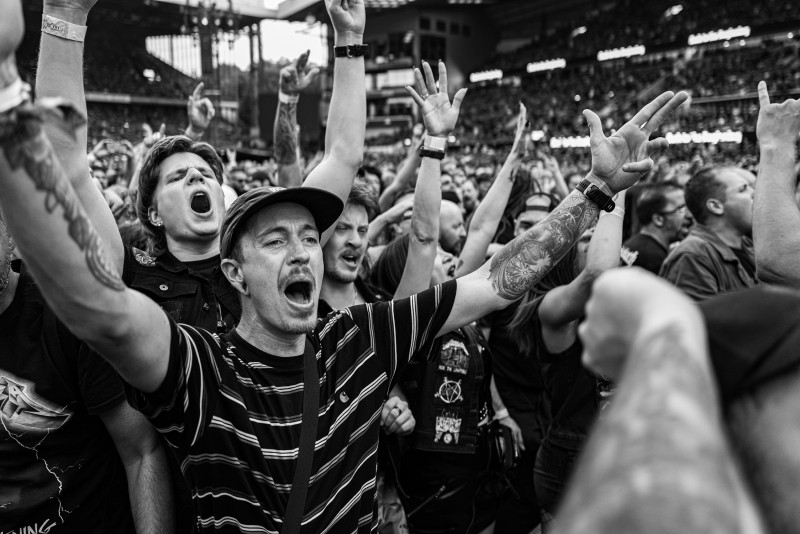
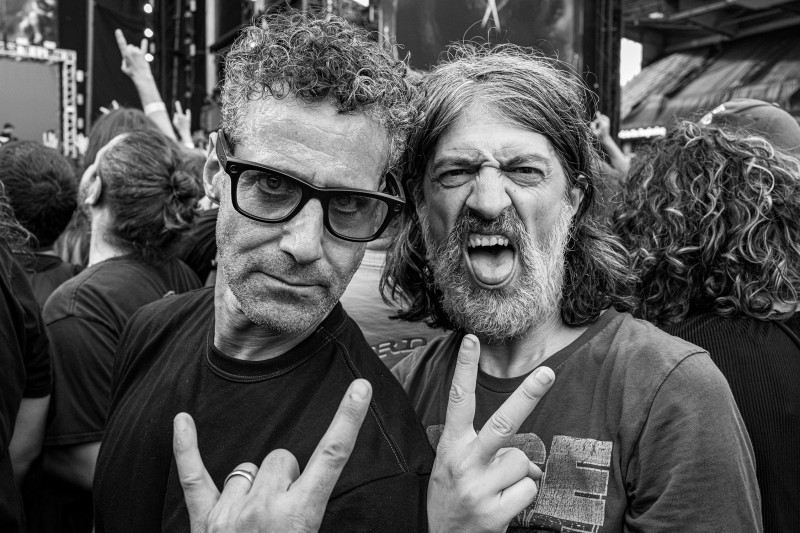
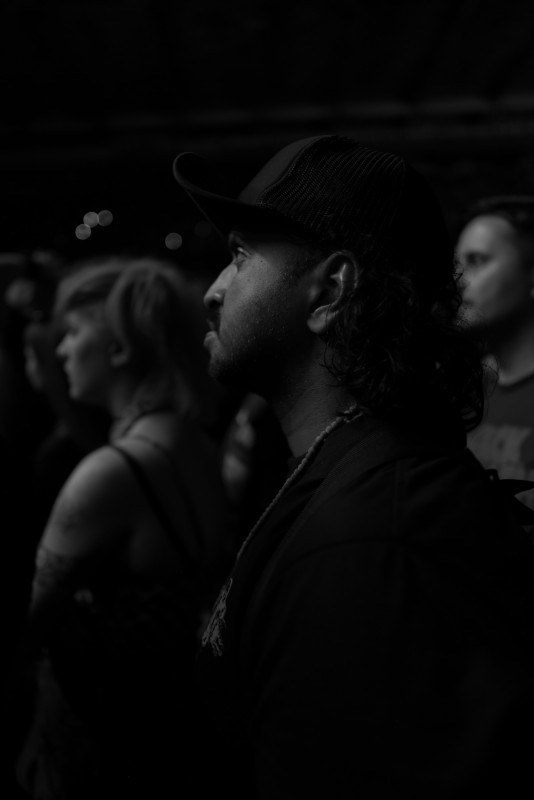
Being a metal head myself, I crossed eight time zones to get to Birmingham, to experience the concert of a lifetime and to capture the event with my camera. In my youth, I had attended the 1988 Monsters of Rock tour and, a few years later, the Clash of the Titans tour. Even though these events are firmly anchored in my memory, I don’t have even one photo of them. Consequently, it was important for me to create memories that would remain. In preparation for this, I showed Matthew Taylor-Winch, Deputy Manager of my “local” Leica Store in Los Angeles, excerpts from the best of my portfolio. He gave me some specific comments about my photographs of musicians; but it was his positive critique of my pictures of concertgoers that inspired me to build on this aspect of Back to the Beginning. Essentially, he said, ‘Tell the fans’ stories, because they have a unique perspective from the ground and from the mosh pit.’ This made my goal very clear: I wanted to take pictures of the concert which would place the viewers directly within my images, so that they would be able to feel the emotions of the fans. Considering that only 40,000 people were present, I wanted to ensure that everyone could experience what was to be a historic day.
From the moment I stepped into the stadium, the energy was different from anything I had ever experienced in my life at concerts and festivals. A feeling of camaraderie filled the tight spaces in the stadium. I can only describe it as the connection resulting from decades of a common passion for Heavy Metal music. People hugged, the beer flowed, the excitement grew, in expectation of the first thunderous strum of a guitar chord. It promised to be a feast of stratospheric proportions, which would be spoken about for generations. It was also immediately evident that there were no barriers between myself (as a photographer) and the audience because, within this space, we were all the same. I could be present, with my camera, to capture the essence of the moment, without being intrusive. While some might think it was a bit much to take a Leica camera into a mosh pit, I considered it necessary to become one with what I was photographing and, to be honest, to experience the concert as both a photographer and a fan.
I established a connection with many of the people in the pictures, and we remain in contact still. Some travelled from the USA and western Europe without having a ticket for the concert, simply hoping that they would be able to take part. One of the visitors worked in creative advertising and market development; one was an investment banker; another curated content for an internet radio station; and another was a local bartender. One of the fans was super happy to see me with my Leica Q2 Monochrom in the mosh pit, and respected the fact that I had even decided to do something like that. Personally, I don’t think you could have documented the moment with any other medium. In my opinion, monochrome captured the essence.
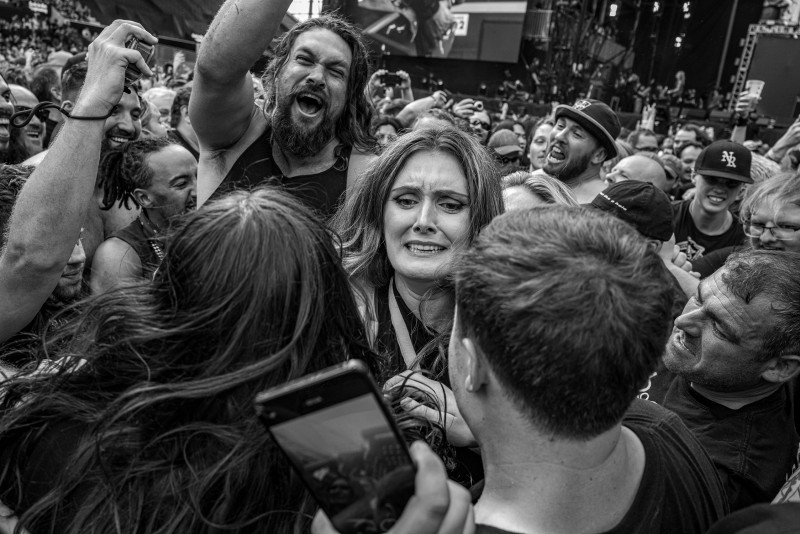
Throughout the day, the energy of the masses increased as the bands played their classic anthems, and honoured Ozzy with interpretations of Black Sabbath songs. In a moment that soon went viral, Jason Momoa from Game of Thrones turned up the volume to 11, and spontaneously jumped into the crowd, during Pantera, and started a mosh pit. From that point on, the festive atmosphere escalated with each new band. Tool delivered a precise performance; Slayer were simply Slayer; and Metallica shone – ironically as the last support band before the Madman himself took to the stage.
When it was finally time and Ozzy appeared for his last performance, it was a moment heavy with emotion. The rumour about his bad state of health was confirmed in a manner that showed that he had accepted his fate. Despite this, in an ultimate act of selflessness, he gave us an hour of music, a combination of solo and Black Sabbath performance. Even though it might not have been obvious when the day began, the concert was – without a doubt – an opportunity for Ozzy to thank his fans, before his return home.
Too often, our music idols leave this world in such a sudden manner and, while we are overwhelmed by the moments we shared, we are left wondering what might have been different. The Prince of Darkness, however, wanted none of it. He took complete control of what would be written on the last page of his final chapter, and ensured that he would be remembered forever. Godspeed, Ozzy – you gave your all on stage, so that the world could experience you one last time, with an unforgettable musical performance.”
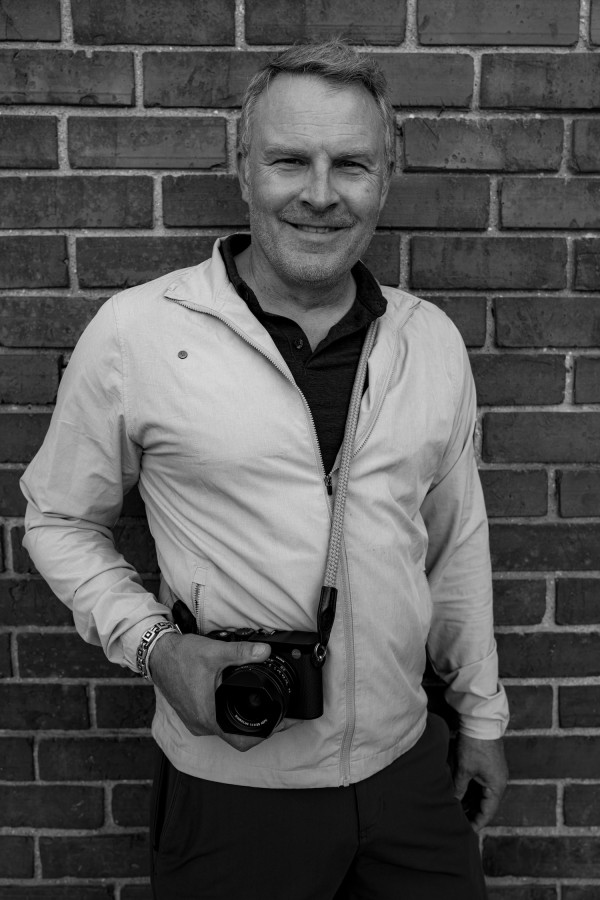
Todd Parsons+-
His interest in photography and his connection to the Leica brand arose, by chance, while he was travelling the world, training doctors in new cardiovascular procedures. To document his experiences on his travels, he found his way to Wetzlar, while working in nearby Giessen. On his first visit to Leica World, he saw Lenny Kravitz’s Drifter exhibition and immediately felt a connection to someone who was also constantly on the road. Parsons alternates between his Q3 and Q2 Monochrom to document his travel experiences and, most recently, concerts. His landscape photographs have been published in hotel magazines, and several of his images are on display at the LFI Gallery. More