His series documents a city that no longer exists: Roland Schmid travelled to Avdiivka in Ukraine, in 2019, when life could still be found there.
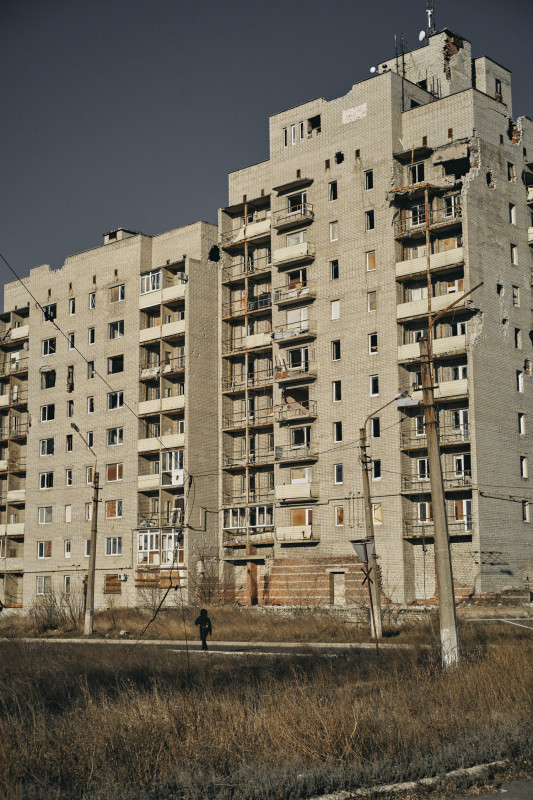
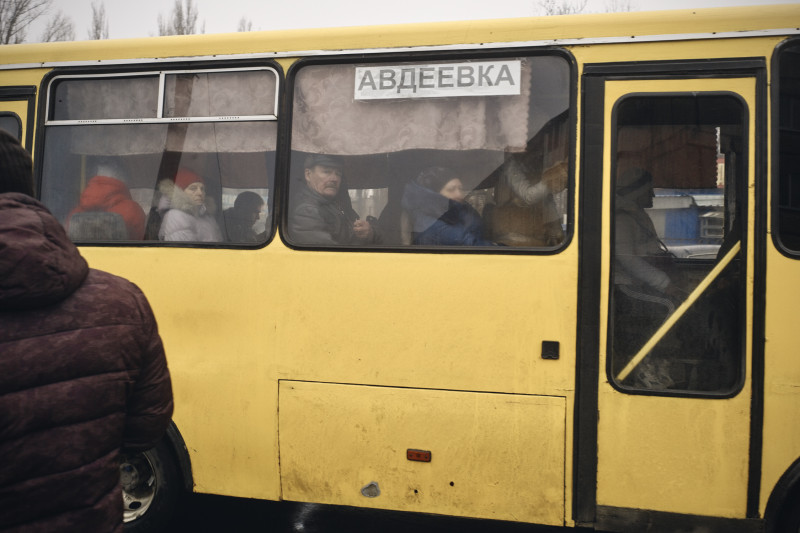
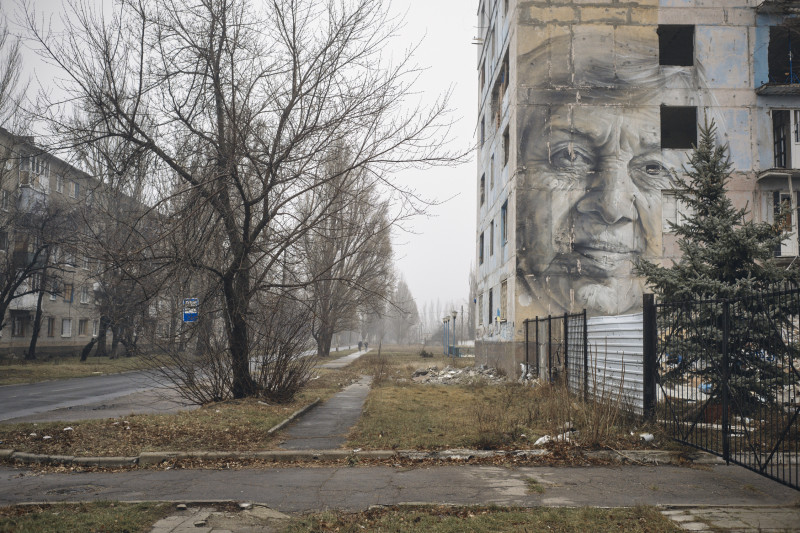
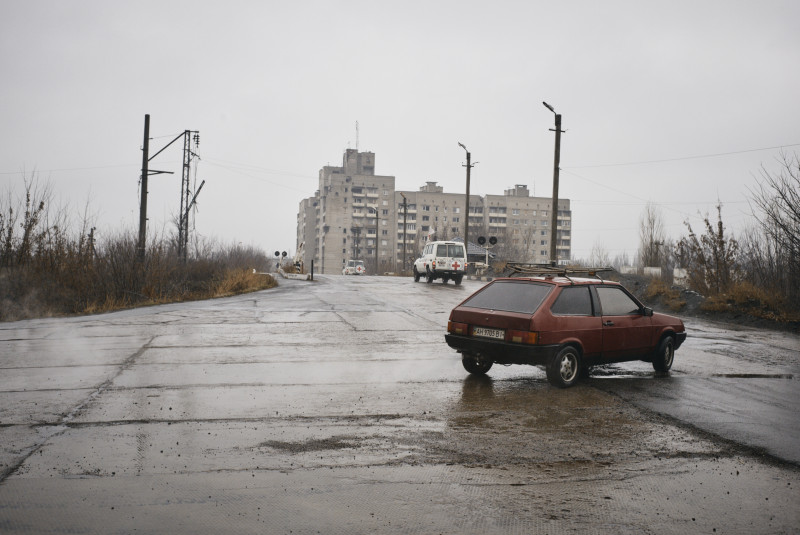
When the photographer visited the Ukrainian city of Avdiivka in 2019, around 30,000 people still lived there. In February of 2024, only 900 remained. Roland Schmid’s images are a testimony to a city that has all but vanished.
LFI: Your series deals with a place that, more or less, no longer exists. What does that mean to you as a photographer?
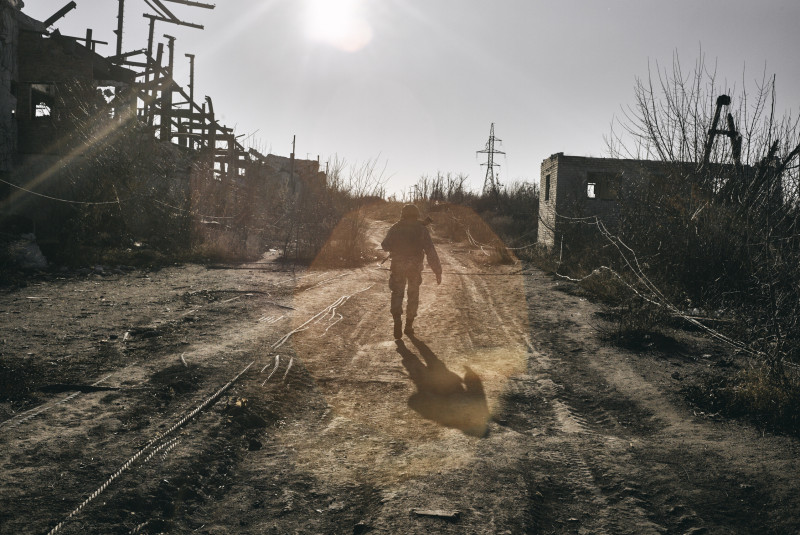
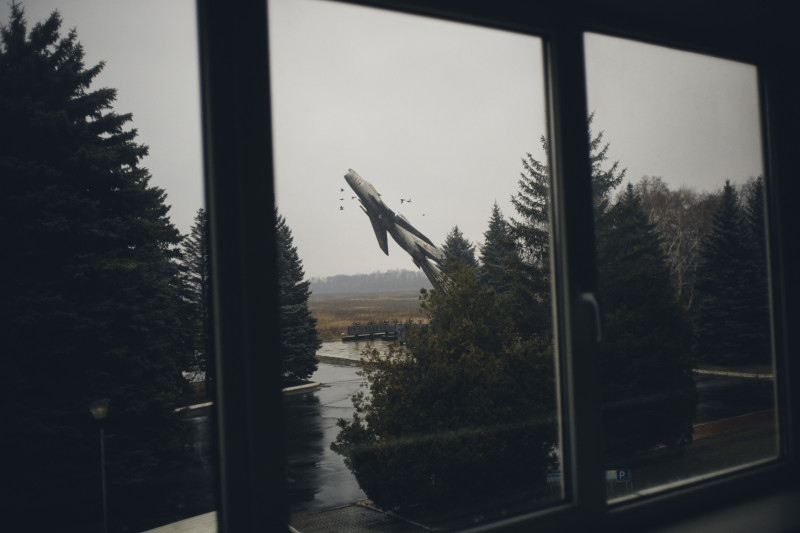
Roland Schmid: In 2019, Avdiivka had already been a frontline city for five years, and had changed sides twice. You could see it in the damage that was visible everywhere. Even so, the city and its cultural life were still really lively. I was able to document the city when people were still there, so it was like a testimony. That’s important, so that everything that went on can be understood in the future.
What exactly did you want to record?
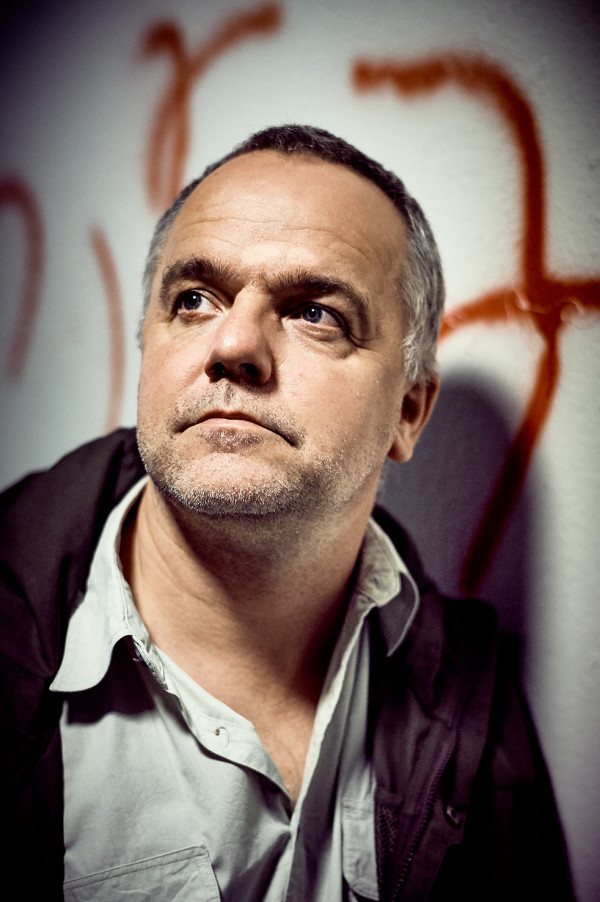
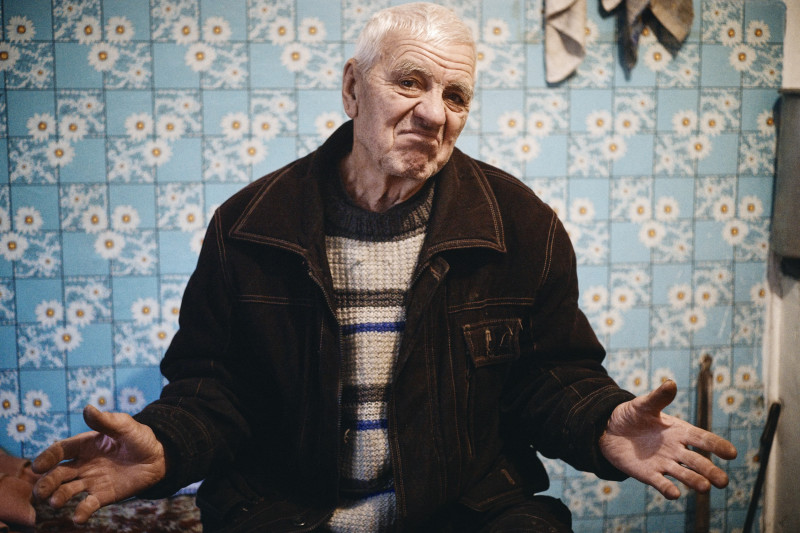
I was there at a time when our media was hardly reporting any longer on the conflict that began in 2014, with the Russian occupation of Crimea. Inspired by the Andrey Kurkov novel Grey Bees, which deals with the life of a man living between frontlines in Ukraine, I set off in search of people living under similar circumstances. Over two visits, I was able to meet, portray and have conversations with affected individuals. On the whole, they were elderly people who were unable to leave – either because they didn’t have money or they didn’t have anyone to go to who could give them shelter. Others wanted to stay because they feared for their property.
How was it for you to work under the cloak of war? What were the challenges?
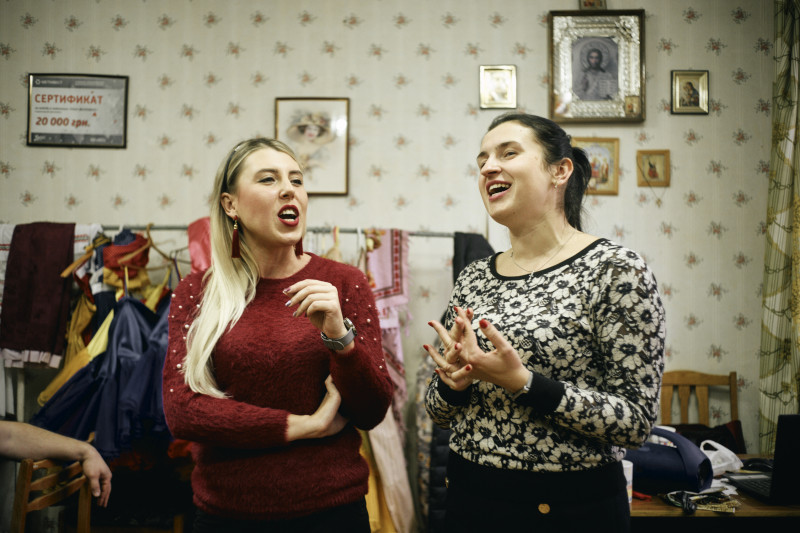
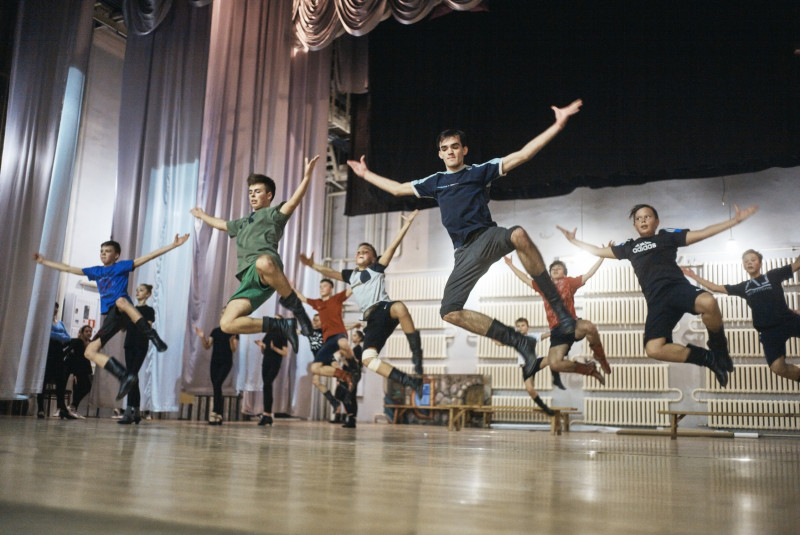
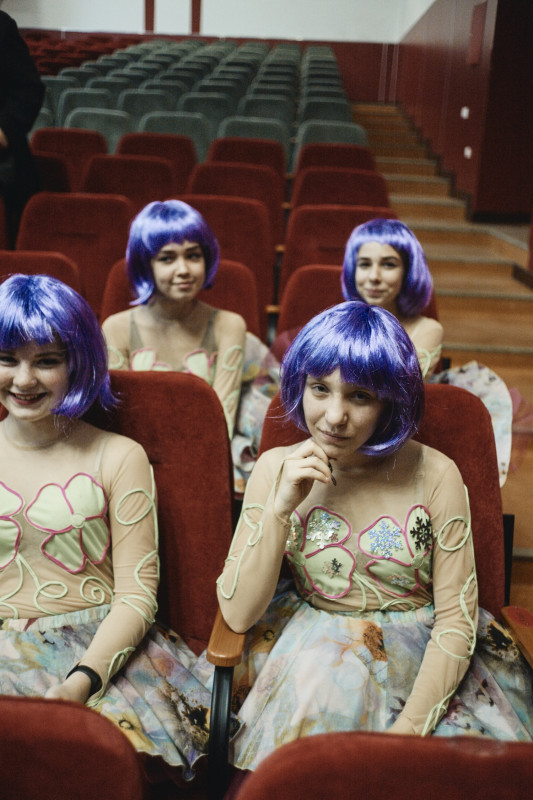
The city was located a kilometre away from the frontline. It was relatively quiet there during the daytime, but at night you could hear the exchange of gunfire. The biggest challenge was to get the necessary permission to be able to work close to the frontline but, thanks to the help of a local colleague, it ended up not being a major problem. The inhabitants were trying to live a life as normal as possible; there were diverse activities going on at the cultural centre, which I was able to document without any difficulty. The place was like an island of bliss in the midst of this dystopian-like city. The people looked for distraction from their daily lives there, with singing or folk dancing. A famous boxing club was also housed there. As you left the cultural centre in the evenings, you would hear the sounds of battle coming from the nearby front. It was very oppressive.
How should we view your pictures today, six years later, and after the Russian invasion of Ukraine?
One theme that threads its way through some of my work is the impact of big politics on little people. The series should be viewed from this aspect, and from the consideration of how fast the realities of life can change. It’s also a testimony to a city that was once lively and today lies in ruins, representative of other places that get destroyed in pointless wars.
Katja HübnerEQUIPMENT: Leica M (Typ 240), Summicron-M 35 f/2; Leica SL (Typ 601), Summicron-M 50 f/2, Elmarit-M 24 f/ 2.8 Asph
LFI 1.2026+-
Roland Schmid’s long-term work on Eastern Europe is featured in LFI Magazine 1.2026. More
Roland Schmid+-
Born in Basel, Switzerland in 1966, Schmid first took Slavic Studies, Art History and History before training as a photographer with Hugo Jaeggi. He was the winner of the World Press Photo Award (Stories, 2nd place) in 2021 and of several Swiss Press Photo Awards. His work has been exhibited at the Tbilisi Photo Festival and Photobastei Zurich, among others. He is a member of the 13Photo agency in Zurich. More