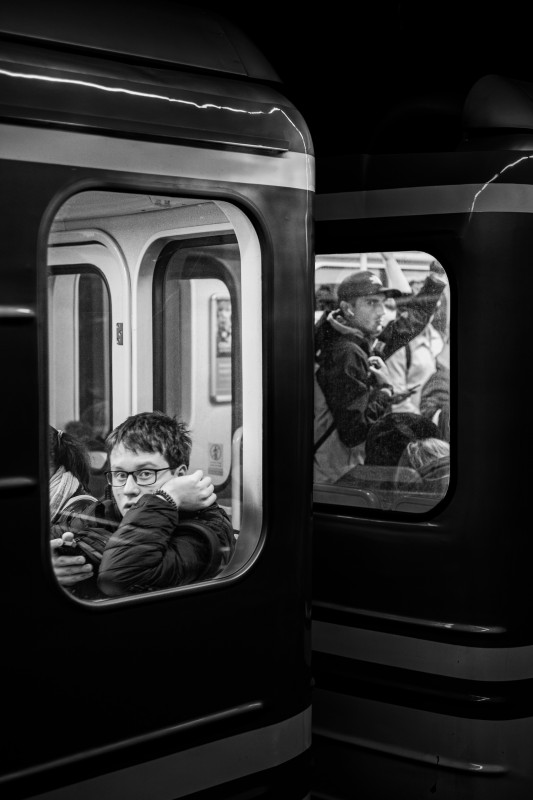
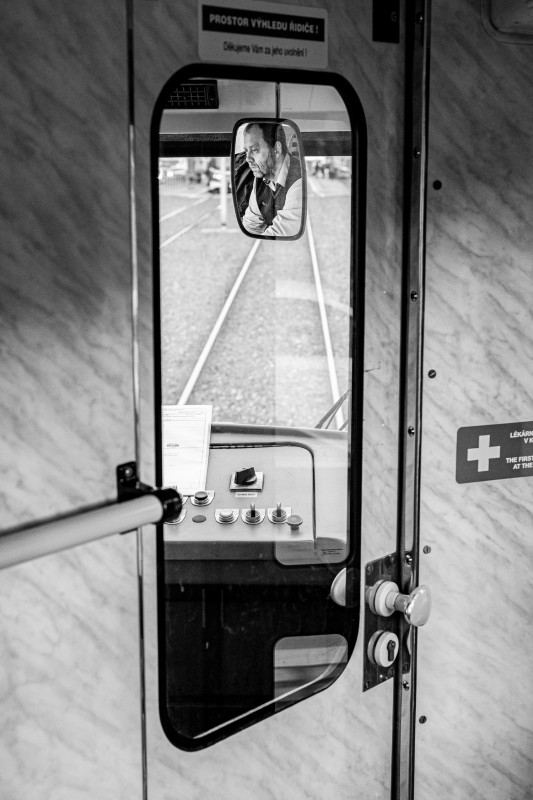
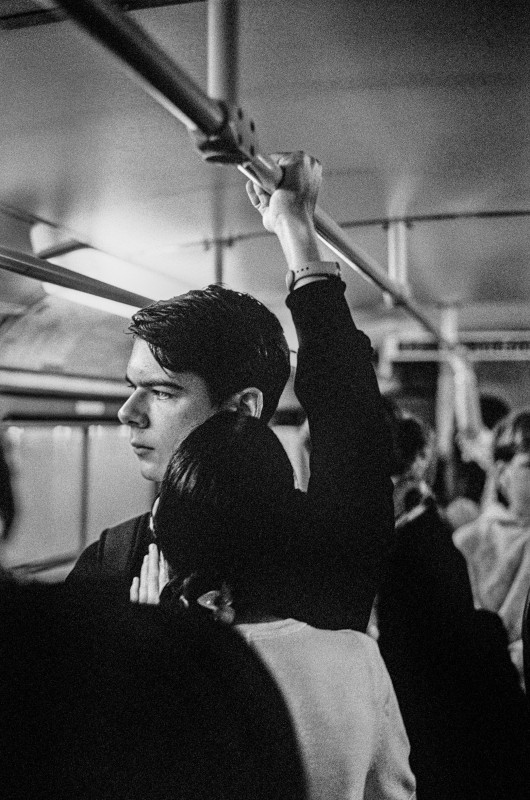
The Czech photographer reveals the human within the fleeting in the Prague metro system, creating empathic images capturing the anonymity of public transport.
The metro as a stage for the mundane: Ondřej Trojan turns his eye towards those fleeting moments when people take a brief pause. His images capture both closeness and distance, and reveal an often overlooked dimension of urban life. He spoke with us about intuition, observation and the decisive moment.
LFI: Where were your photos taken, and what do you want them to convey about city life?
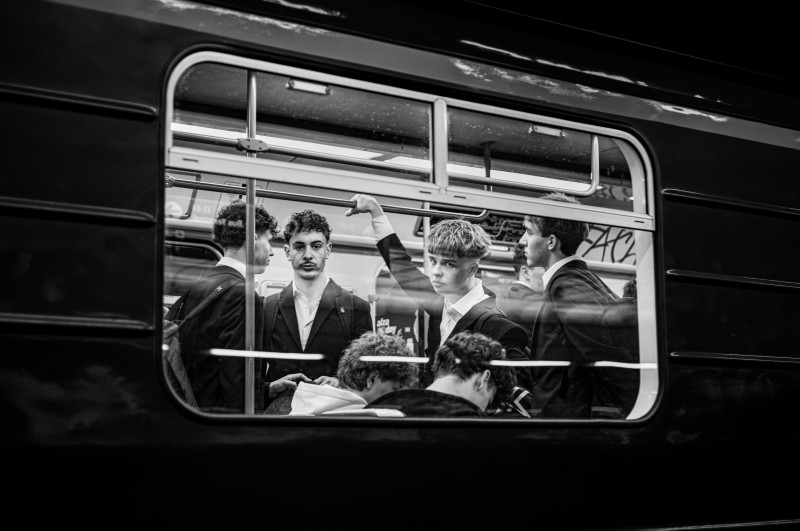
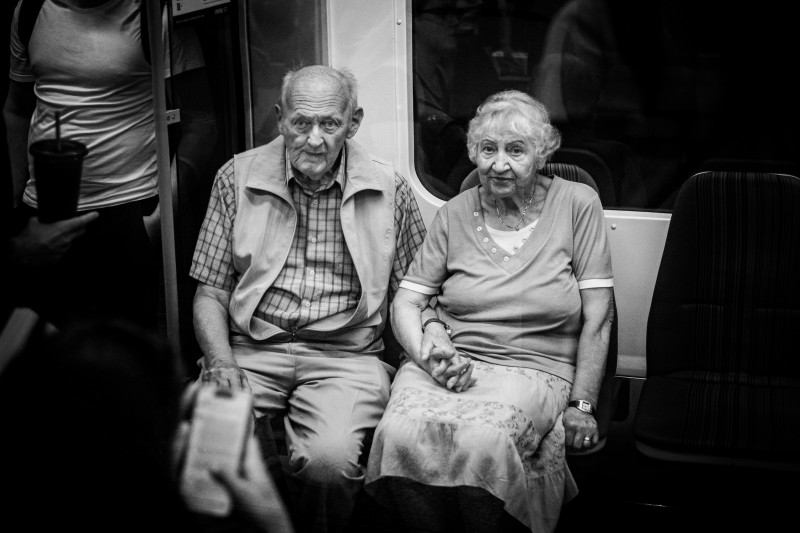
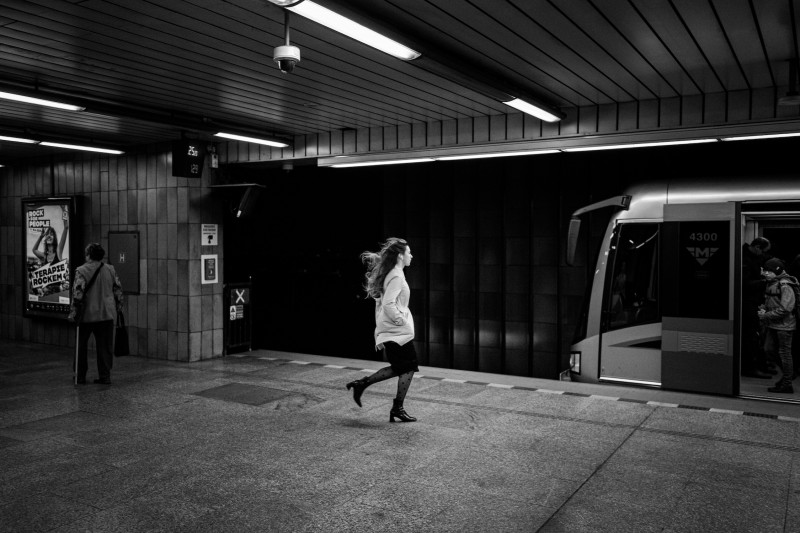
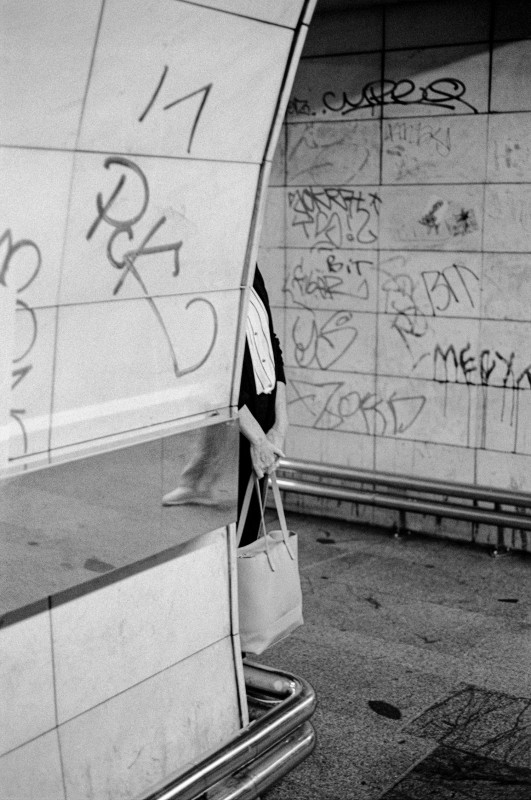
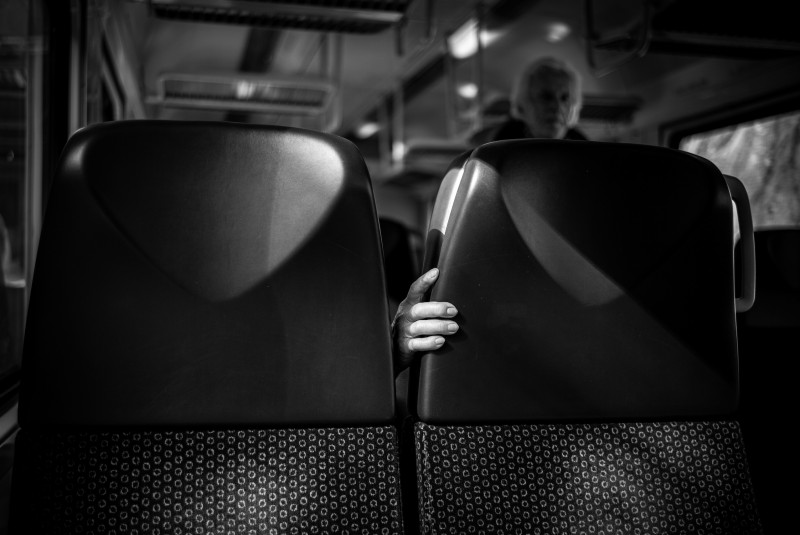
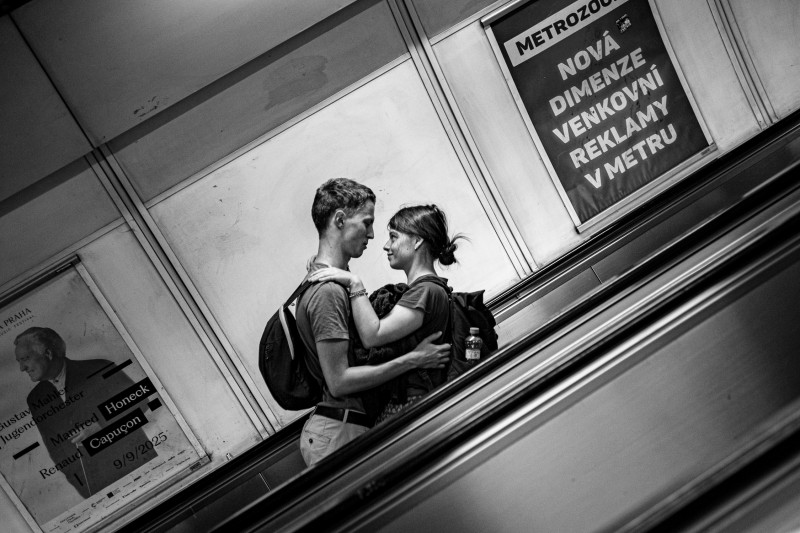
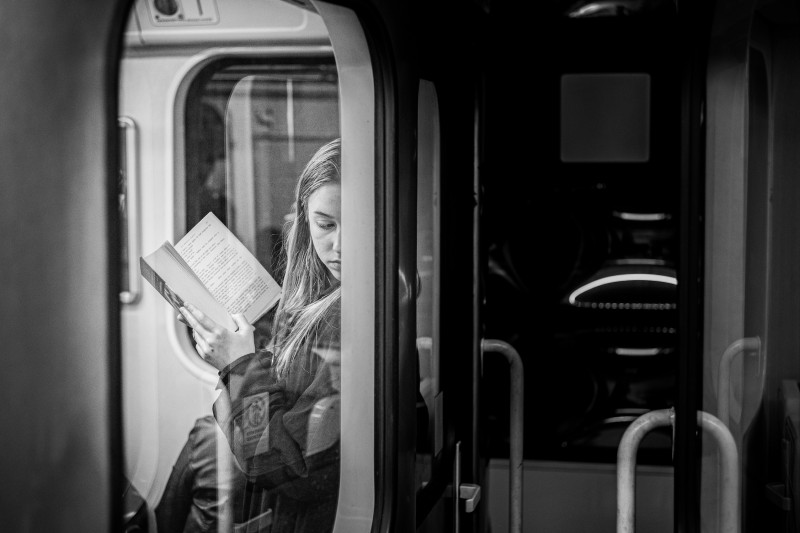
Ondřej Trojan: The photographs were all taken on public transport in Prague, whether in the metro, on trains or on trams. I’ve always been fascinated by these spaces, because the metro feels like a city beneath the city, living its own life. My aim is to tell stories from these places; I want to capture moments of stillness, when people are forced to pause, even if only for a brief moment, during their busy day. This motif of calm amidst the bustle of the city is also one of my main themes beyond this public transport series.
What fascinates you about everyday life in metro and suburban rail stations?
The metro is an incredibly intimate space, yet at the same time highly anonymous, as people often try to keep to themselves and avoid unnecessary interaction. In such close physical proximity, strangers briefly share the same environment, but remain enclosed in their own private worlds. Nowadays, this sense of isolation is even more intensified by technology: people wear headphones, look at their phones, and often seem mentally elsewhere, disconnected from their immediate surroundings. It’s increasingly rare for strangers to engage in spontaneous conversation or even acknowledge each other. Precisely because of this, moments of genuine interaction in this space feel all the more precious. Whether it’s a glance, a small gesture, or a brief exchange, these instances momentarily break the invisible barriers between people and reveal something deeply human. These are the moments I’m most drawn to, as they often carry a quiet significance and are very much worth capturing.
What are you looking for as you move through these spaces, and how do you decide when to capture a moment?
I’m a strong advocate and admirer of Henri Cartier-Bresson’s concept of the decisive moment. The moments that make me press the shutter are often very abstract and difficult to explain – it’s purely instinct, a fraction of a second in which I know it will be a good photograph. The scene needs to have the right composition, with all the geometric forms arranged in the right way, but there also has to be something that makes you stop and think.
Which of your camera’s qualities are useful to you for this kind of photography?
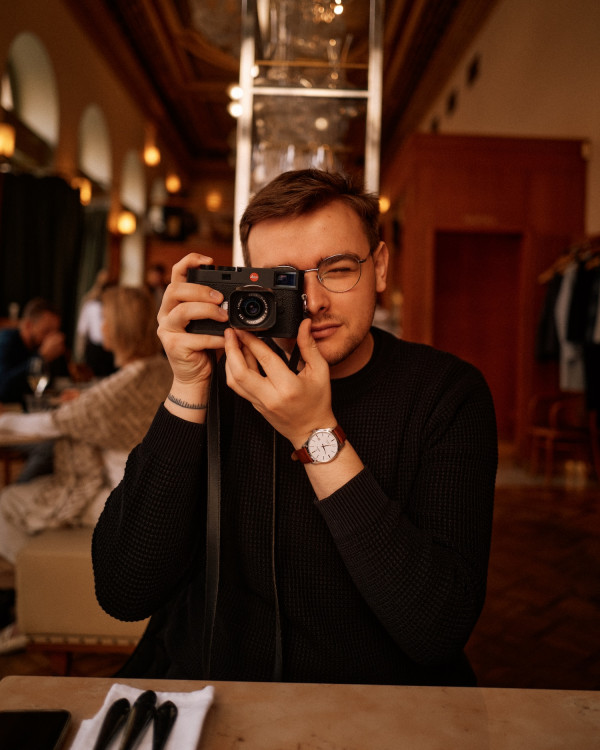
I shoot exclusively with Leica M cameras, which have been my companions for quite a long time now. What I particularly appreciate about these cameras is their discretion, speed, compact size, and, last but not least, the quality of the lenses they offer. I need to avoid disturbing the scene and remain like a fly on the wall, and thanks to the M system, I am able to do exactly that.
Has the close observation of these places changed the way you see the city?
Through photographing in the metro and other forms of public transport, I’ve learned that, as people, we often fail to truly perceive the world around us. We hide behind a veil of anonymity and rush through our days without much awareness of what is happening around us. Personally, photography has taught me to step away from this constant rush, even if only slightly, and to observe the world more attentively – to read people and pay closer attention to my surroundings. Even though people can sometimes intimidate me, my work has given me the feeling that I understand them a little better and, as a result, I’ve grown even more fond of them.
Danilo RößgerEQUIPMENT: Leica M (Typ 240), M10, M11 and M3, Elmarit-M 28 f/2.8 Asph, Summarit-M 50 f/2.5 and Summicron-M 50 f/2
Ondřej Trojan+-
The documentary and reportage photographer focuses on black and white humanist photography. Trojan’s work has been featured on the official Instagram accounts of Leica and Leica USA, and in 2024 it was exhibited as part of Czech Press Photo at the National Museum in Prague. In the same year, he held his first solo exhibition at the Matějovec Gallery. Between 2023 and 2026, he participated in numerous group exhibitions and photographic projects, including Kafka 2024, FOTOSTART, and Traveling with Leica. His photographs were published by Respekt magazine in the book World Intellectuals. He has also collaborated with Czech Television and the organization Paměť národa. Since 2022, he has worked as a staff documentary photographer for the Faculty of Humanities at Charles University. In 2026, Ondřej Trojan was nominated for the Personality of Czech Photography Award for 2025. More