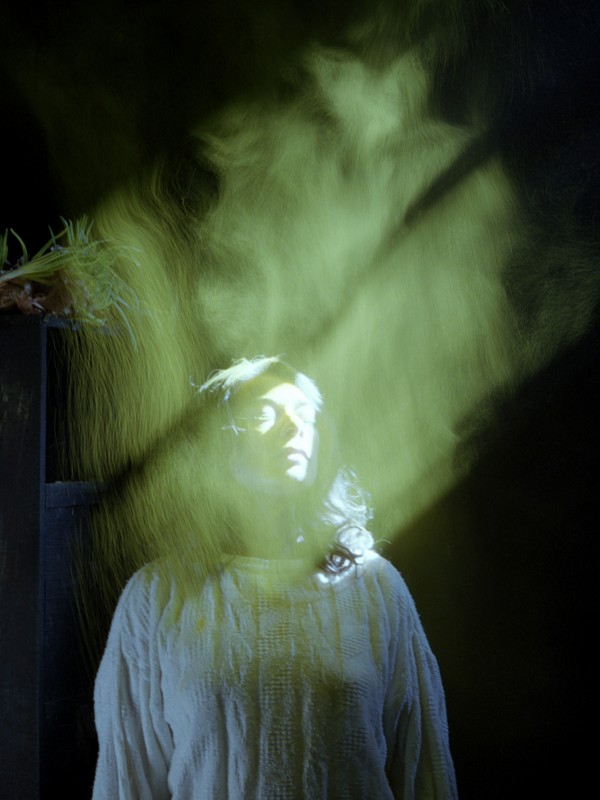
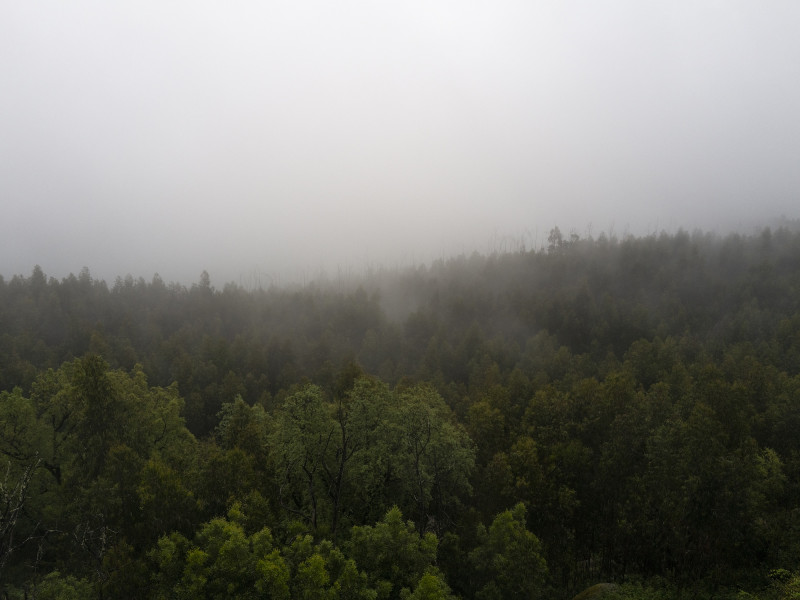
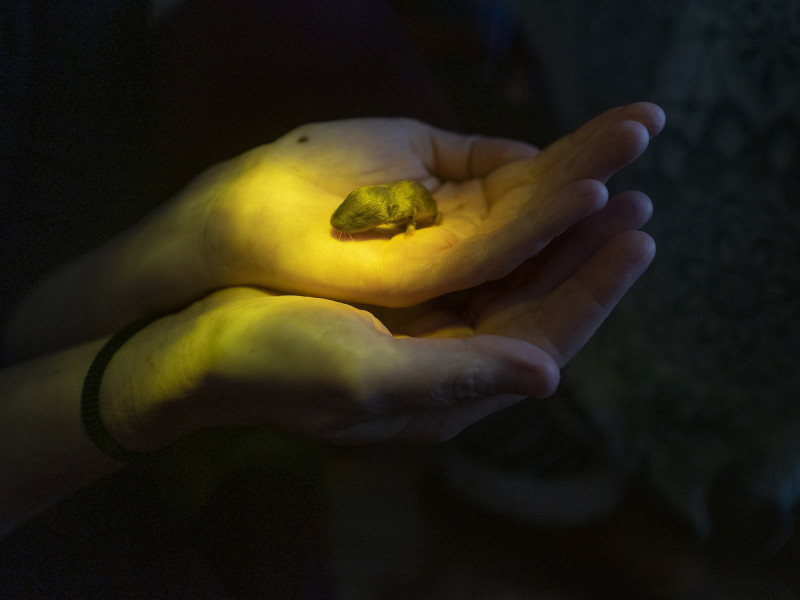
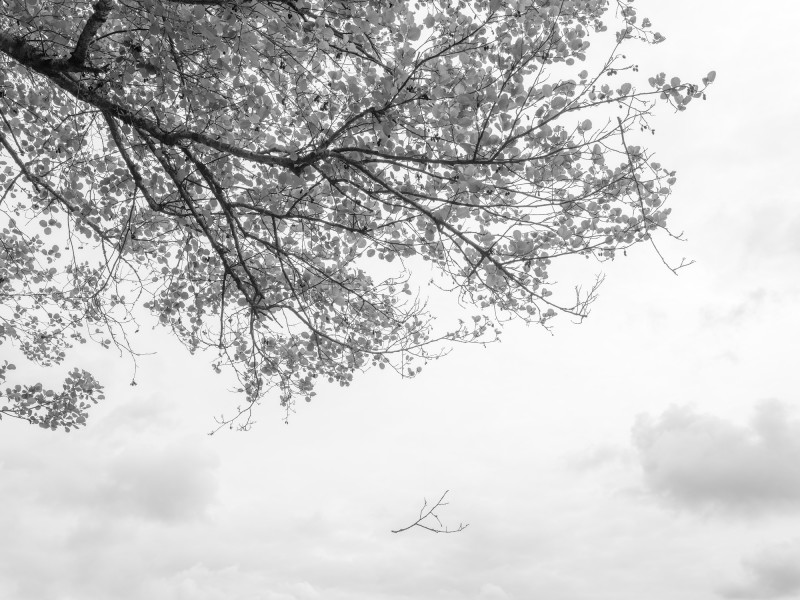
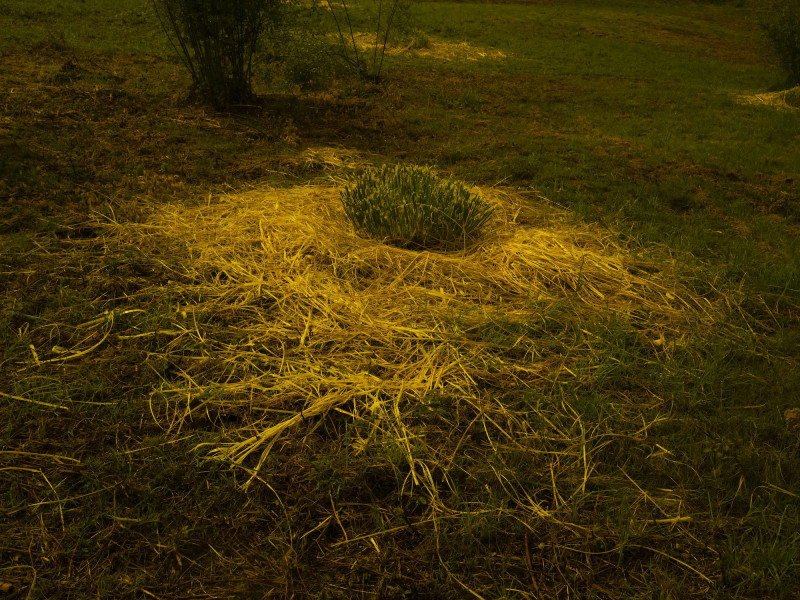
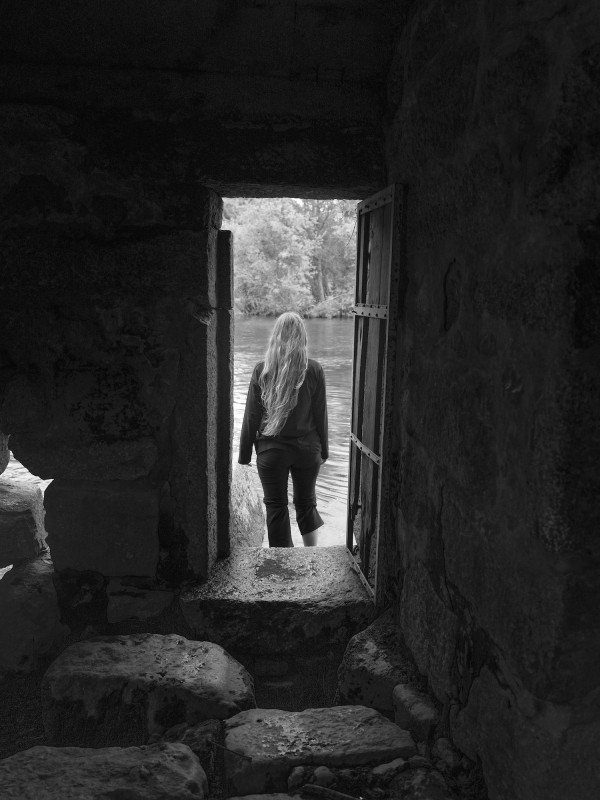
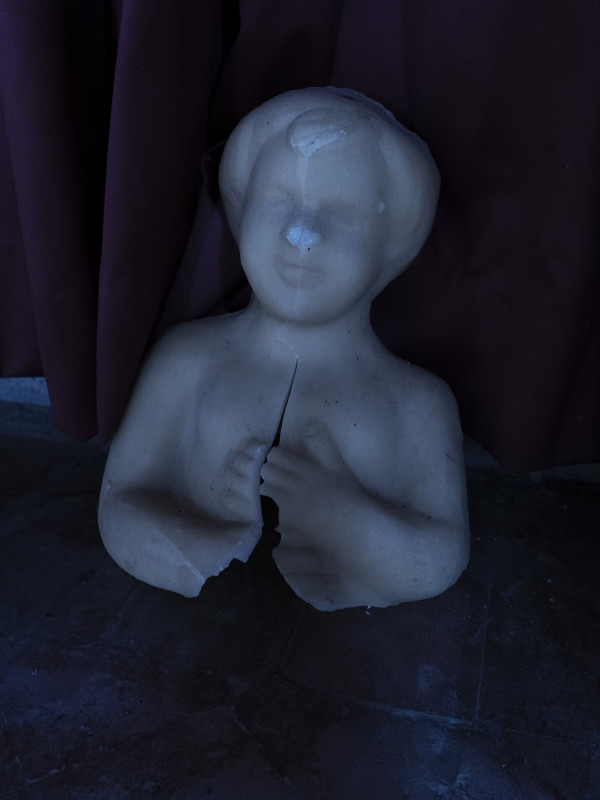
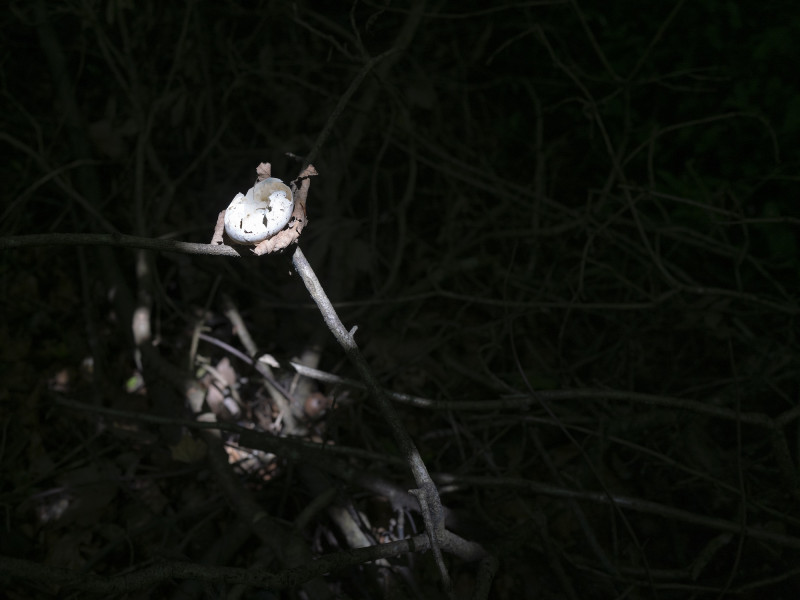
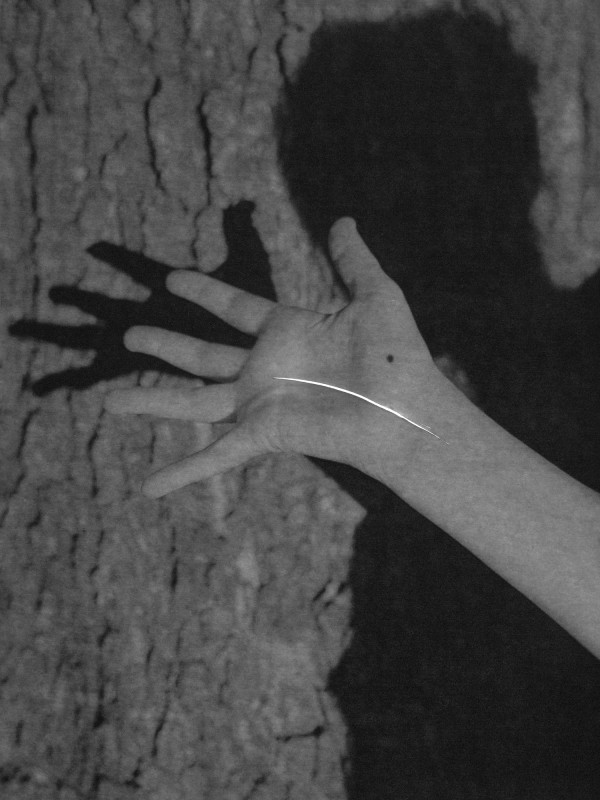
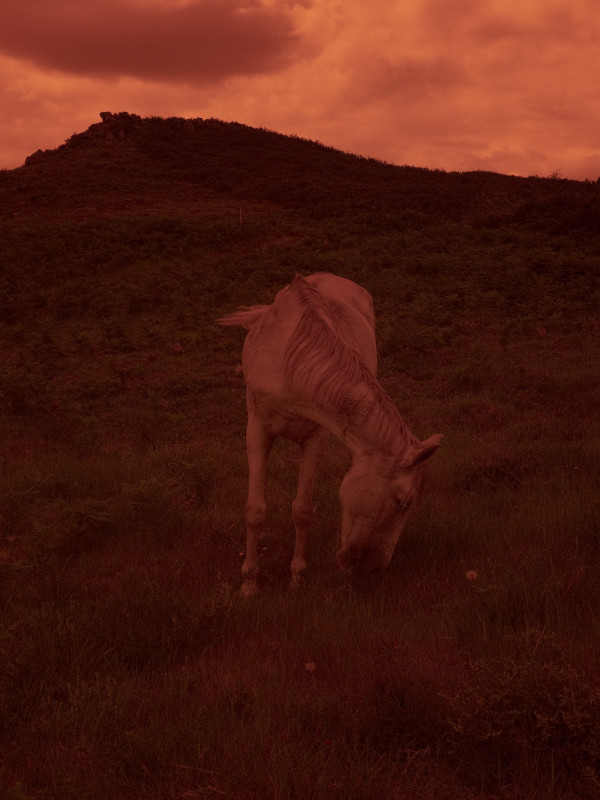
The photographer’s project takes her back to a place of memory, where she uses nature to depict humanity in an honest and unvarnished manner.
Maria Oliveira intuitively approaches nature as a place of absence and doubt, in which she can reflect on herself and on others. In her memories of a past life, she finds possibilities and ideas for something new.
LFI: Where does the title for your photo project come from – and what is it about?
Maria Oliveira: The title comes from a text I wrote while I was working on this series. I thought it would fit well with the images. It is abstract and poetic and it’s related to the idea of flight and diving, where, symbolically, this work is anchored.
You call it an essay. What topic are you dealing with exactly – and are you taking a critical look at it?
No, that’s not the intention. I thought of the title in Portuguese, and in the translation to English I chose the word essay because it seemed more interesting in the sequence of words, in the way they connected with each other when they were pronounced. It was more a choreographic reason.
The meaning is not connected with criticism but with the idea of attempt, rehearsal, something we can, or we cannot, repeat, to try again. As if we were preparing a dance, for instance.
What function does nature have in your project, and how do you deal with it in connection with people?
The work was developed in the city of Braga, in Portugal, as part of an artistic residency for the Encontros da Imagem Festival. Braga doesn’t have many green spaces, but, as I was working around a memory, something intangible, abstract and ethereal, I naturally looked for spaces with less human presence. Nature, somehow, served as a vehicle for dealing with something more universal, about humans, but above them too. I was interested in finding a place of absence, of doubt. It was important to create space. So, I worked mainly around the center, and less in arranged spaces. Nature gives us a more accurate awareness of who we are and where we stand in the universal order of things. I think it shows us our humanity in a more honest and unpolished way. For me it’s important to think about ourselves from there.
How do you find/look for for your motifs and how do you decide whether to capture them?
In this particular case, I already knew the city because I lived there for 13 years. With that in mind, and because I was working on the theme of memory, I revisited the places that were part of my life during that period. I also visited the places that I thought would interest me if I were to live there now, 20 years later. I think I moved between memories of a past life and the possibilities, hypotheses of something new. I don’t have a clear idea of what I choose to photograph, but I try to make it an intuitive process. Things come together, one place leads to another and the work gains an existence. I always try to make the act of photographing an act of abandonment.
What is your photographic approach; what do you pay particular attention to?
It depends on the project, on what I’m doing. But, I like things to mix, to communicate what surrounds my body, the landscape, and what is going on in my head. What I see, what that suggests to me and what I imagine.
Somehow, I think I’m always looking for a certain game. To pay attention to the elements that are there, their places, creating layers or removing context. And it is also important to enjoy it. A certain wonder has to exist in the process.
You photograph in colour as well as in black and white; how do you decide?
It’s simple. Some images I see in black and white, others in colour. I don’t think of reasons for that.
What does your photographic process actually look like?
I don’t think I really have a method, but there is something that repeats itself in the process. Walking, the act of walking interests me a lot; it has a certain meditative and purging character. I’m also interested in involving the whole body so that the head doesn’t become too important, and I’m not invoking the rational part too much. Writing is always part of the process too. It helps me to process things, to think. And it keeps me good company.
What experiences did you have with the Leica camera; how did it prove itself for the project?
The experience was very positive, mainly, because it works in a very intuitive way, which is important to me. Due to its characteristics, weight, etc., it also allowed me to have more freedom in the process.
What do your pictures tell us about life?
That’s a heavy question. I don’t know how my images talk about life, I don’t have such high expectations for them. Well, they were made by a living creature; from this perspective, they may say something about life.
Katja Hübner
Maria Oliveira+-
Born and raised in Ponte de Lima and living in Porto, Portugal. Through photography Oliveira has been working on umbilical places, physical and mental. She is interested in its mutation, the close relationship between humans and the nature still remaining, which includes people, animals, the cycles of the seasons and how everything communicates, is related and exists together. Since 2011 she has been exhibiting regularly in Portugal and abroad. In 2024 she was selected for the Portuguese Emerging Art 2024 and the Feature Shoot Emerging Photography Award 2024, and was integrated in a group exhibition at Clamp Gallery, NY. Her project Bone Foam was selected for an exhibition at the Galerie Huit, in Arles. More