1/10
1/10
Dans le creux
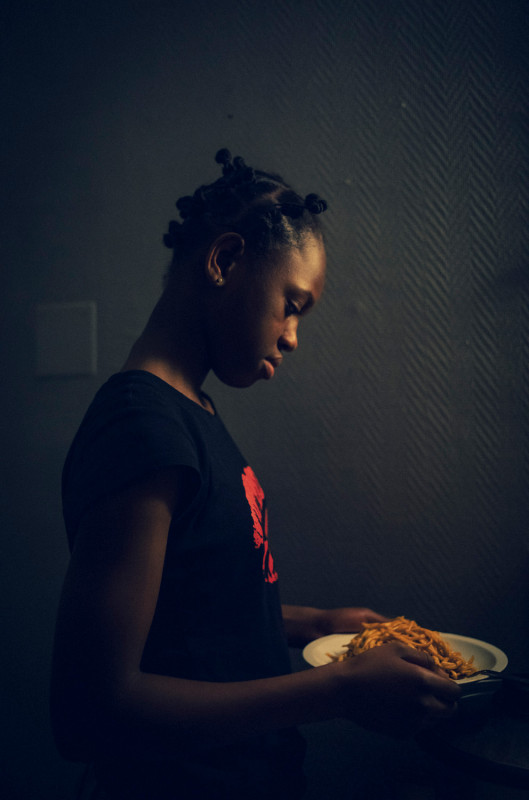
Sarah, a 13-year-old migrant from Ivory Coast living in a social hotel in Paris, eats spaghetti in her room every evening. With her mother working long hours, Sarah often cooks on a small electric stove, highlighting the food insecurity faced by migrants in similar situations. Limited access to proper kitchen facilities and ingredients can lead to a lack of essential nutrients and contribute to poor health
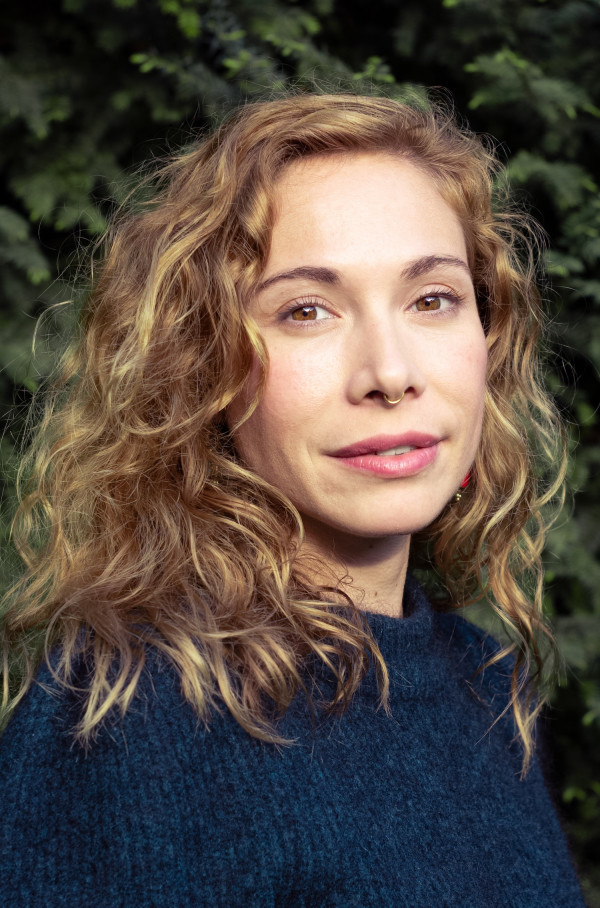
The Spanish documentary photographer and writer was born in Madrid and currently based in Paris. She holds a degree in International Relations from the University of Liverpool and a master's in Journalism from the Universidad Complutense de Madrid. Her work delves into social issues, exploring their historical and cultural contexts. In 2023, she joined Agence VU' and was honored with the Pictures of the Year Environmental Vision Award. The following year, she became a National Geographic Explorer. Her work has been featured in prominent publications including CNN, The Independent, BBC News, Le Monde, and El País. More
Sarah, a 13-year-old migrant from Ivory Coast living in a social hotel in Paris, eats spaghetti in her room every evening. With her mother working long hours, Sarah often cooks on a small electric stove, highlighting the food insecurity faced by migrants in similar situations. Limited access to proper kitchen facilities and ingredients can lead to a lack of essential nutrients and contribute to poor health
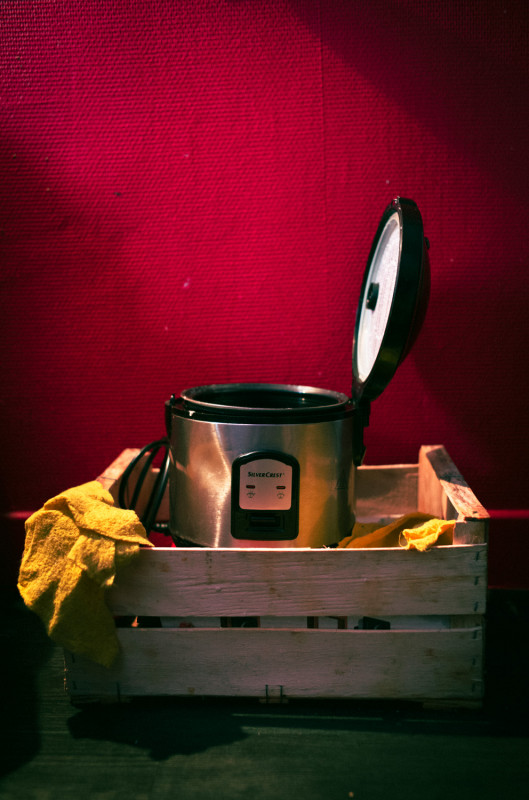
In the cramped room of a social hotel in France, a rice cooker sits on the floor as part of a makeshift kitchen. Like many migrants living in such hotels, many people lack access to a proper kitchen and must resort to cooking with limited resources in her room. The lack of adequate ventilation and space can increase the threat of fire, as well as the risk of burns and other injuries while cooking
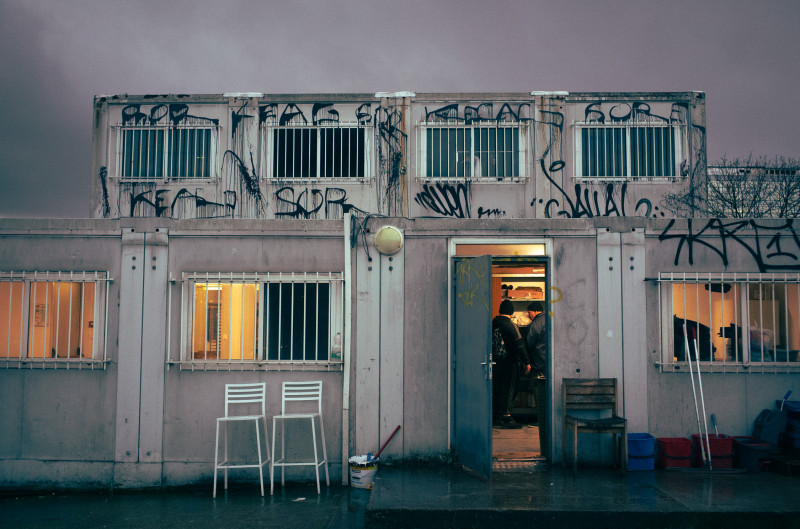
Hot meals distribution site built out of containers at the Porte de la Villette. Île-de-France. January 6, 2023
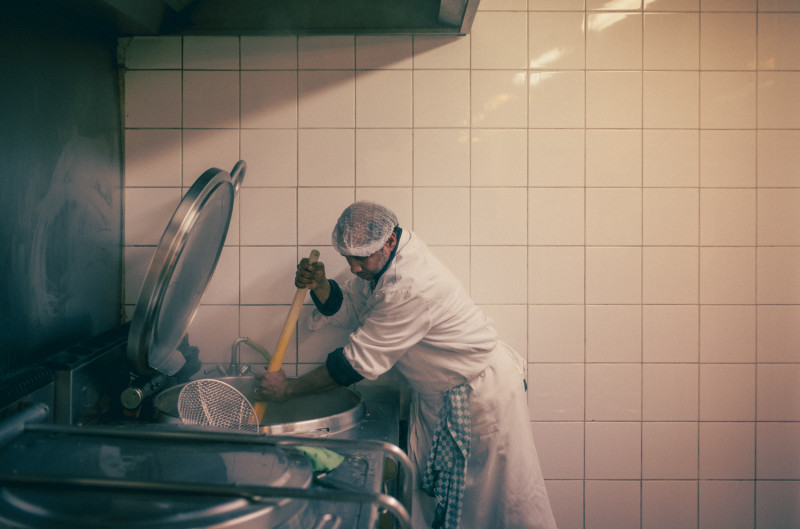
Preparation of soup for the La Chorba Association, which distributes it every evening in La Villette, as part of the fight against food insecurity in France. Île-de-France. December 2, 2022
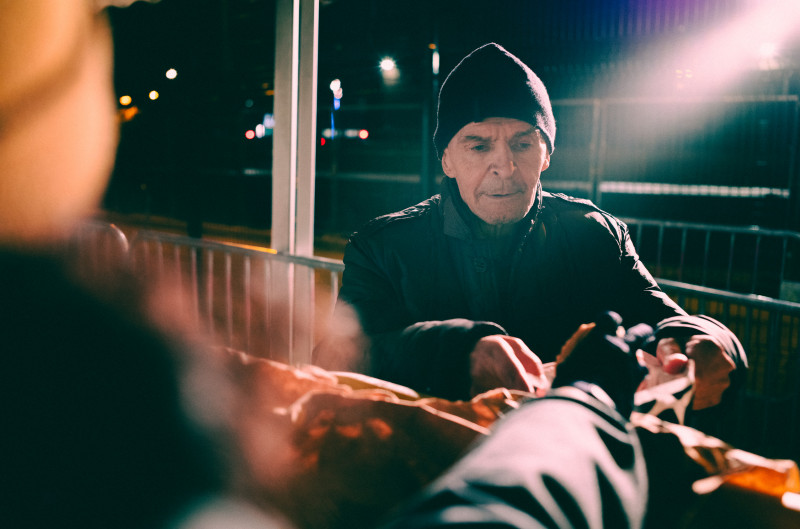
Jean-Pierre Richard, a 72-year-old retired man, takes his daily meal at the La Chorba food distribution centre in La Villette
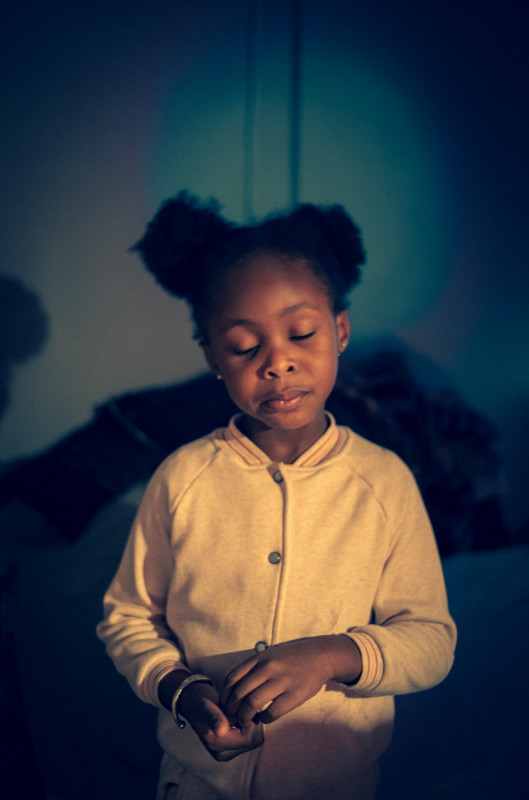
Samira, 6 years old, from Ivory Coast, has been living with her mother for three years in a social hotel in Paris
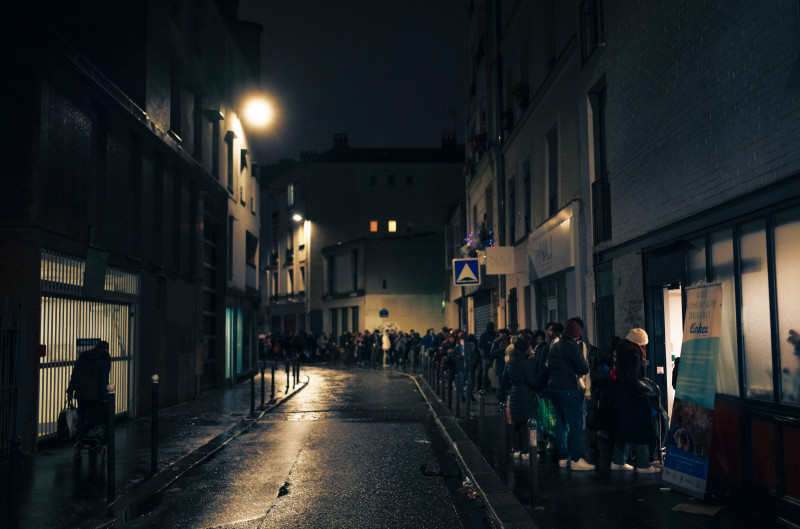
More than 700 university students queue for hours to receive a free food basket from the Linkee Association in Paris’s 20th arrondissement
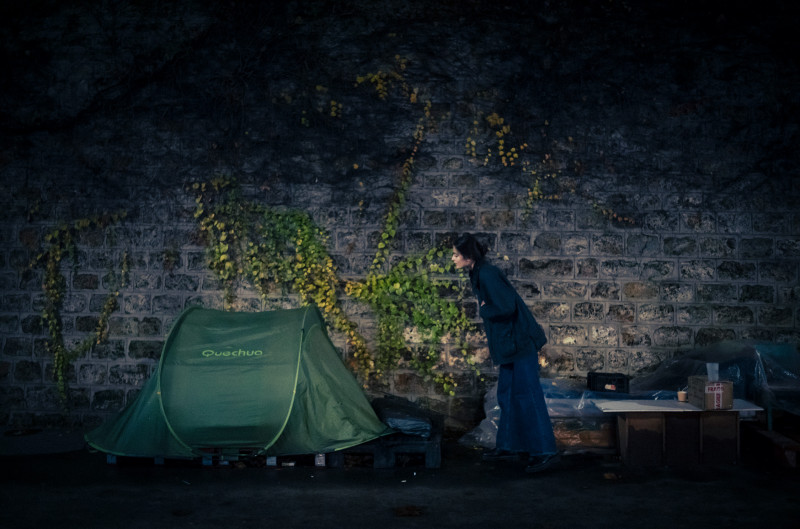
Louise, a volunteer from the La Chorba Association, approaches a tent to offer hot soup to a man living there. Every Monday, she drives around in an NGO car to deliver food to people living on the streets. Île-de-France. December 7, 2022
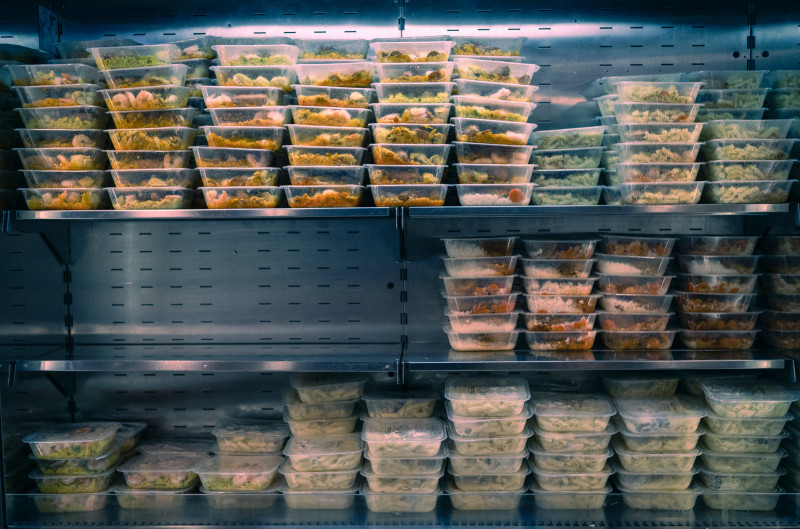
Rescued from expiration, a refrigerator stocked with meals donated by the SNCF train company and hospitals, awaits distribution by the Linkee Association to support university students

Two university students, Morgane Dayma (19 years old) and Louic (18 years old), head towards the Linkee Association food distribution line in Paris. Food insecurity among university students in France is a growing problem, with many students struggling to afford nutritious meals. Both Morgane and Louic skipped meals due to financial constraints