The
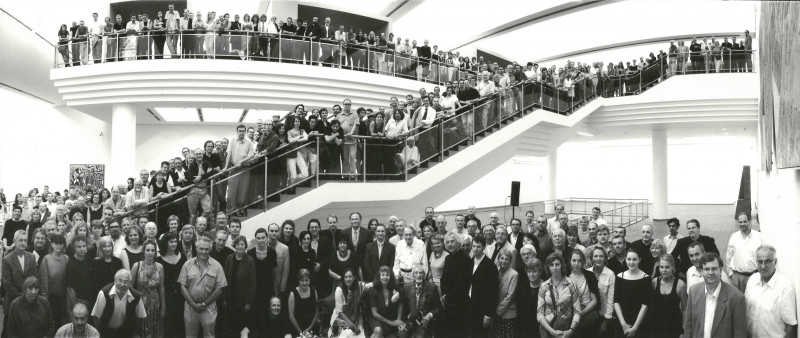
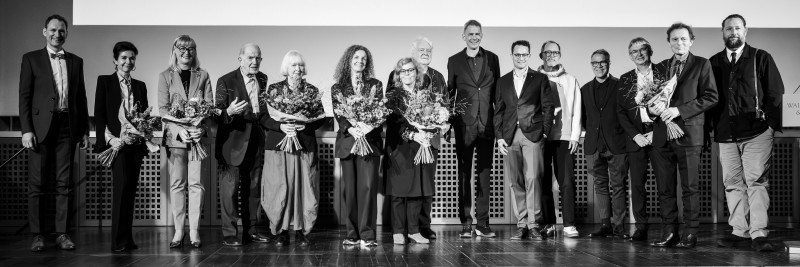
DGPh is the oldest photographic society in Europe and, with around 1200 appointed members, sees itself as an open, professional forum, bringing together photographers, curators, researchers, publishers and picture editors. Every year, the DGPh grants the Kulturpreis, the Dr. Erich Salomon Award and the Manfred Heiting Medal of Curatorial Excellence in Photography.
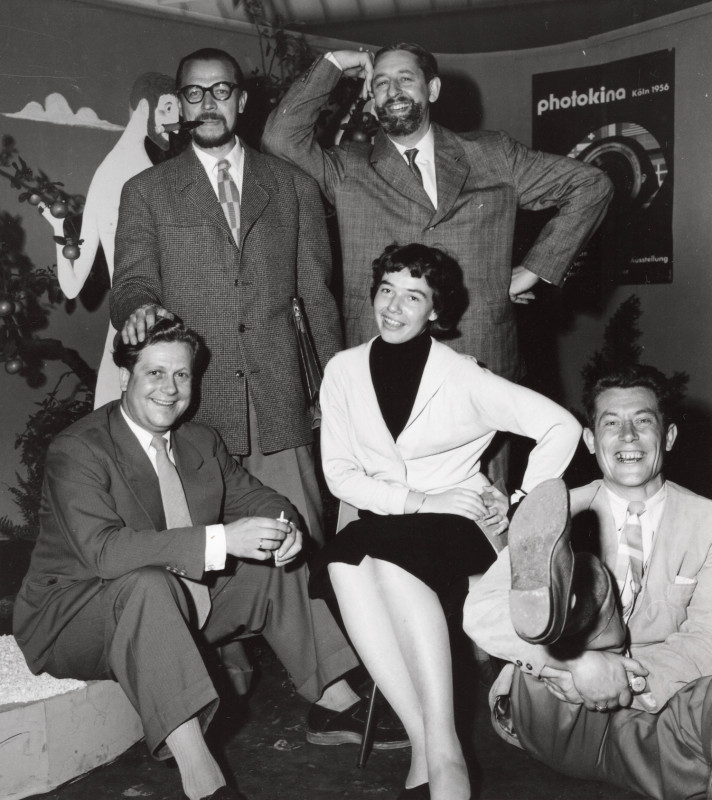
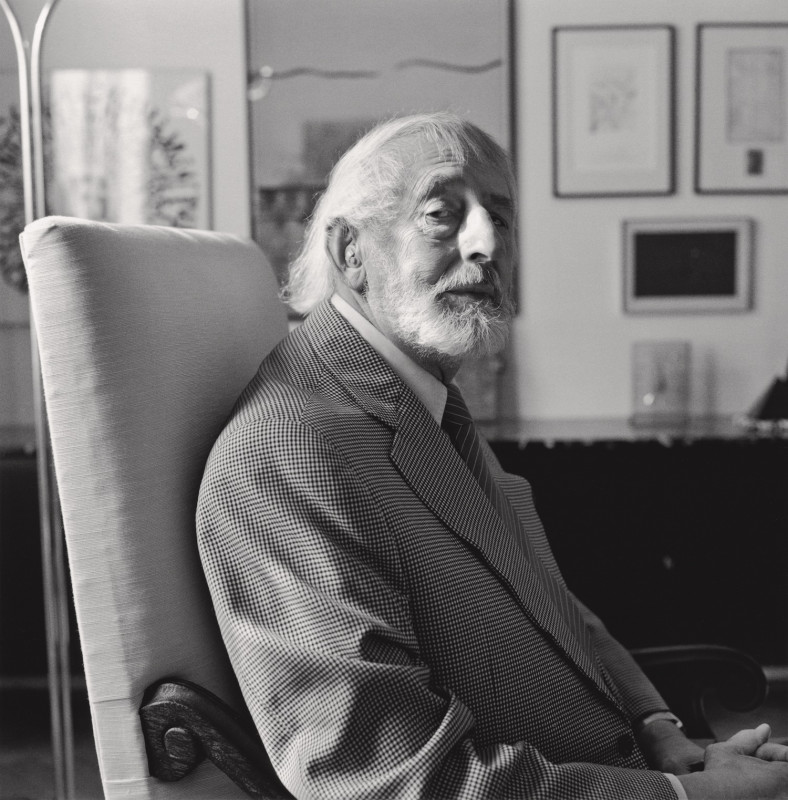
The story of the DGPh is indivisibly bound to L. Fritz Gruber. When the first Photokina was held in Cologne in 1950, organised by the Cologne Trade Fair and the industry, the major photography exhibitions on display gave the event a cultural dimension. Gruber became the DGPh’s first General Manager, while the first appointed members included personalities such as August Sander, Dr. Ernst Leitz, Dr. Otto Steinert, Herbert List and – as a correspondent member – Edward Steichen, who at the time was running the photography department of the MoMA in New York.
We spoke with Ruediger Glatz, current Chair of the DGPh Executive Board, about the jubilee celebrations and his views on the DGPh.
LFI: What has been planned for this jubilee year?
Ruediger Glatz: 75 Years of the German Photography Society, the DGPh – this means 75 years of continuous commitment to photography in Germany, carried by members who do this work on a voluntary basis. Our programme stretches over the whole year: April 18, the actual birthday, is the starting point, with the worldwide
Moment of Exposure initiative.
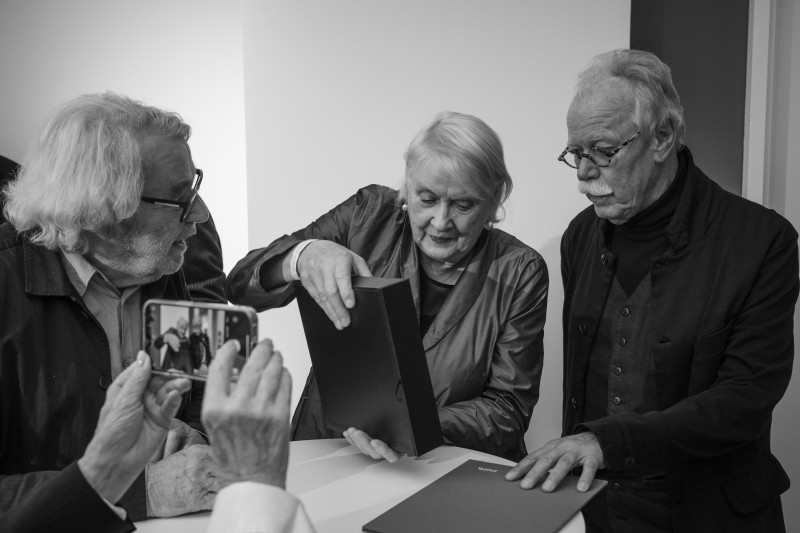
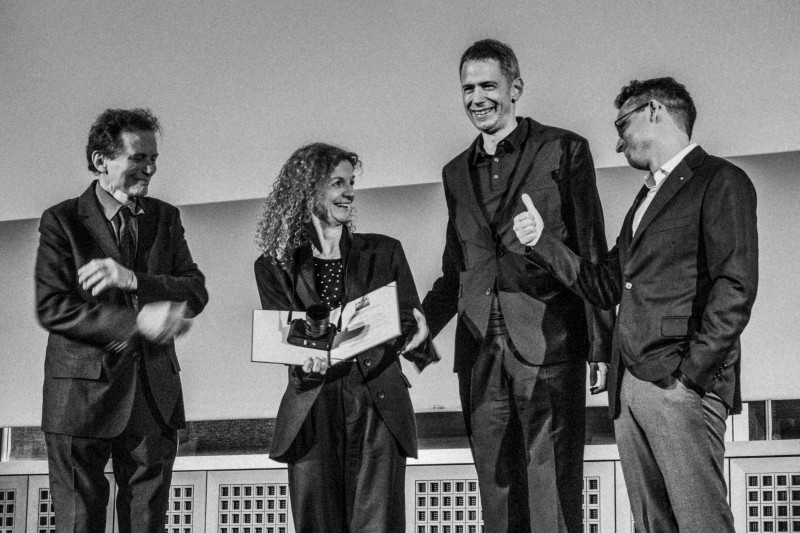
In September there will be a symposium dedicated to the photo book, in collaboration with the Berlin State Library on Unter den Linden, as well as an event with Fotografiska Berlin. One highlight will be the jubilee weekend of October 24 and 25, at the MAKK in Cologne: on the Saturday there will be the DGPh Photography Awards with the Kulturpreis, the Dr.-Erich Salomon Award and, for the second time, the Manfred Heiting Medal; on the Sunday there will be the opening of the jubilee exhibition,
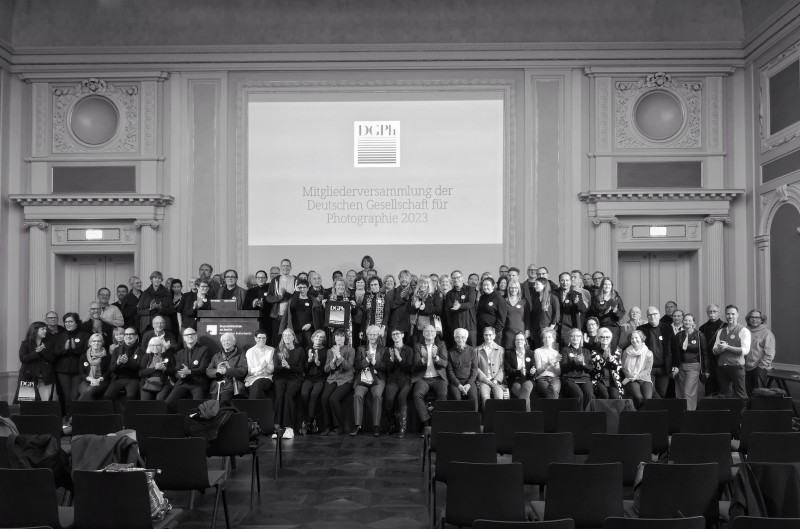
75 Years of DGPh and our AGM.
This jubilee also provides an opportunity for introspection: we’re working on a new corporate identity and aim to clarify ambiguities in our Articles of Association, in order to get the organisation back on track structurally – so that it can gain greater international recognition in the future.
How did the Moment of Exposure idea – where everyone can upload (until April 30) the picture they take on the jubilee day – come about?
How do you celebrate a birthday that belongs to a whole discipline? We wanted to create a moment in which photographers around the world do something they do anyway: take a picture – but together on the same day. When hundreds, even thousands, share this moment, it will create a portrait of the medium on a specific day in history. The images can then be uploaded to wecelebratephotography.com via a multilingual page, and they will later be presented there in an online slide show. This is not a competition, but a collective work.
How do you view the DGPh’s standing at this time?
In Germany, it has grown historically and is institutionally established – through awards, members, sections, links to museums, publishers, the media and universities. Internationally, the perception is more nuanced: there are partners who know us very well, but the potential to become more visible is also there. The collaboration with Fotografiska Berlin and the Manfred Heiting Medal are signs of this. We want the DGPh to be recognised as the German voice in an international dialogue about photography.
Why should one become a member of the DGPh?
Because the DGPh is one of the few places where you can find the full range relating to photography – from artistic practice to academia, history, education, the market and law, all the way to applied image production. Important note: you can’t just join. Memberships is granted through nomination or by appointment – both recognition and commitment. The DGPh currently has around 1200 members. All things considered, the DGPh is ultimately an association – with all the advantages and drawbacks that entails. Some people are fine with that, others aren’t.
What level of interaction is there between the various sections of the DGPh, and is this division into different sub-groups still applicable today?
The sections structure has evolved over time and reflects the diversity of photography – from imagery and education, over history and academia, to art, the market and the law. This is a strength, because it enables depth of content. However, it can also become a weakness, which is why the sections have been repeatedly adapted to the times – a process that is, of course, ongoing.
What impresses you most about the DGPh story?
The perseverance with which the society has pursued its mission for 75 years – almost entirely on a voluntary basis. The decisive moments were always those when the DGPh was prepared to transform itself. We are once again faced with such moments: generative imaging techniques, the media revolution, and a new generation that engages with images in a different way. For us, this anniversary is not merely about looking back, it is an opportunity to set a new course.
What do you hope to see for the DGPh’s future?
I hope that within ten years it will be considered as one of the most important voices for photography in Europe – more present internationally, structurally sound, with a new generation of members, without forgetting its history. And that what we are launching in this jubilee year may prove to be a beginning – not the pinnacle.
All the best for the coming events and many thanks for speaking with us.