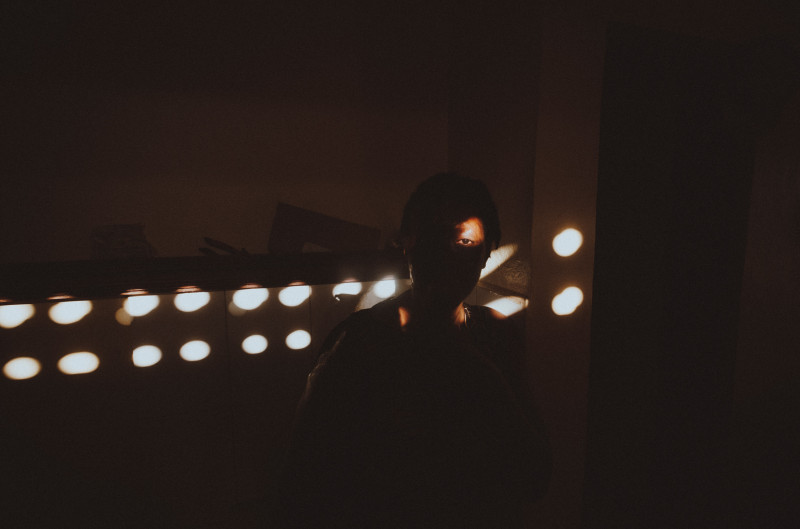
Acid attacks are on the rise in Uganda. However, according to the photographer who met with survivor Gloria Kankunda, there has been little attention paid to the incidences and their consequences. The Do Not Call Me a Victim project gives a human face to the dry statistics and unreported cases – with a voice that says, “I am not a victim.”
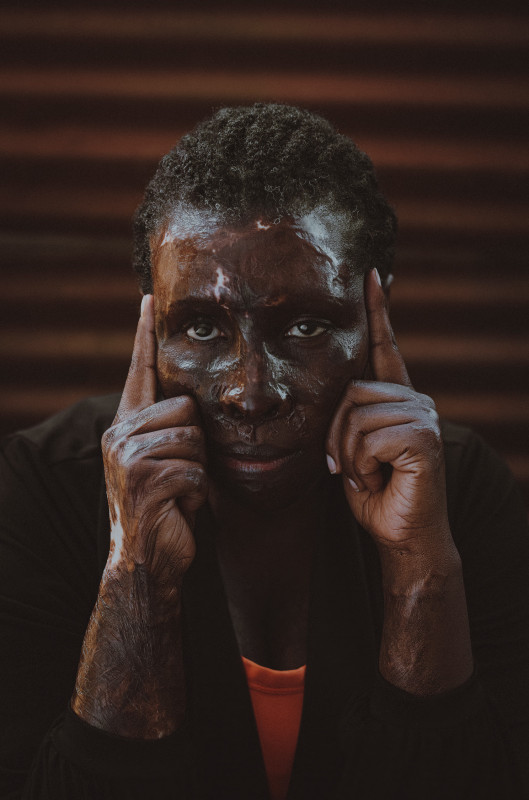
On the evening of May 21, 2009, the life of Gloria Kankunda was changed dramatically. That was the evening when she suffered an acid attack by an unknown person, directly in front of her apartment block in Kampala, Uganda. In an instant, a sharp, burning pain spread over her skin. She wanted to scream, but shock and adrenalin left her speechless. At the hospital in Kampala, medical staff poured ice-cold water over her in an attempt to minimise the physical damage. Meanwhile, Kankunda’s mind could only think about one thing: her one-year-old son and her unborn baby. She survived the attack, but when she looked in the mirror for the first time a few days later, she did not feel alive. After emergency treatment, she underwent two years of medical procedures in South Africa and a difficult struggle not to sink into depression. She found her way back to life. “The scars are now part of me,” she says.
Acid attacks occur all around the world. In addition to Uganda, Pakistan, India and England are countries where many cases have been reported. The substance, usually sulphuric or nitric acid, can be purchased in Uganda for the equivalent of one dollar – barely more expensive than a bottle of water. An estimated 90 per cent of the victims are women. Due to a high estimated number of unreported cases, global statistics are not available. The most common motives are domestic violence, planned femicide or revenge. Survivors require long-term medical treatment, plastic surgery and psychological support. Many also face social stigmatisation and isolation. In every case, the scars and trauma remain. Photographer John T. Pedersen spoke with us about Kankunda’s story:
LFI: How did you come to this project? John T. Pedersen: I’ve been to Africa and Uganda a number of times, for both professional and personal projects. I came across the issue of acid attacks during my travels. I met Gloria. Over time, I came to realise that acid attacks in Uganda are a much larger and more complex problem than I had at first realised. So I began to plan a comprehensive, in depth reportage rather than a superficial, photographic documentary.
In the summer of 2021, I contacted reporter Tommy Halvorsen for a more intensive appraisal, which quickly led to a collaboration. The project started later than planned, as the photographic work in Uganda was hampered by the Covid pandemic and curfews following three suicide bombings in Kampala.
How did you approach the subject from the photographic and human perspective? As a photographer, showing respect is my top priority. The camera is not my most important tool, but rather my voice. Photography begins long before I press the release. I start my projects with real conversations, attentive listening and building trust. Above all, it’s about being a human before being a photographer. If we stop documenting human stories, we stop seeing the world as it truly is.
I want to understand the reality of different people’s lives and make their feelings and impressions accessible to others. Being there without interfering is important to me. I deliberately hold back and observe discreetly. This allows me to discover moments that would otherwise go unnoticed. My aim is to show people what’s happening in the world, as someone who was there and felt the weight of the stories being told. The Leica M10-R has supported me in this endeavour, as the discreet shutter release allowed me to work thoughtfully and create a safe, intimate setting for Gloria.
How did Gloria react to the project – during the whole process and after seeing the final pictures? Gloria approached the project with courage and warmth. She understood the value of using photography to draw attention to the acid violence in Uganda. When she saw the finished pictures she felt proud – not only about her own strength, but also because these photos could bring awareness and help to others. Pictures can arouse empathy, incite conversations about unpleasant subjects, and, at times, can even bring political changes. Gloria refuses the label of “victim”. As she says, “I am not a victim, I am a survivor.”
Eliza Trapp“Accepting my injuries and ‘new’ appearance has been a long process. Today I’m calm, filled with peace. For my own sake, I can’t live in anger or bitterness. The scars have become part of me,” says Gloria, who now helps others exposed to attacks
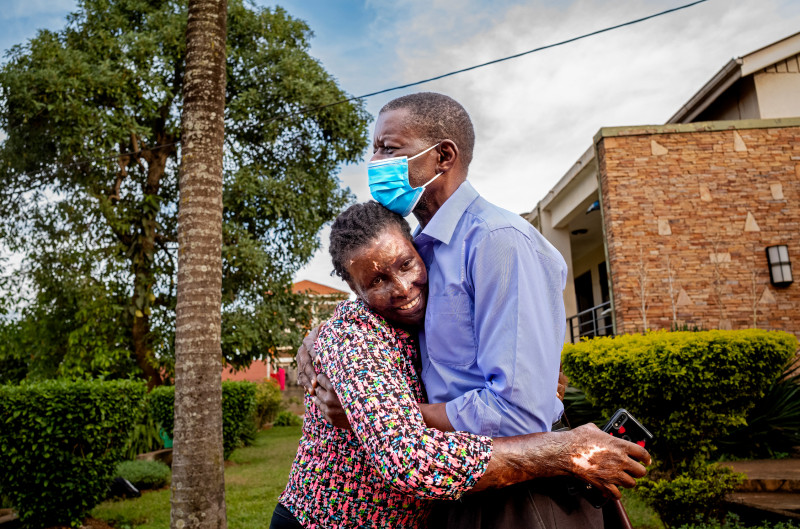
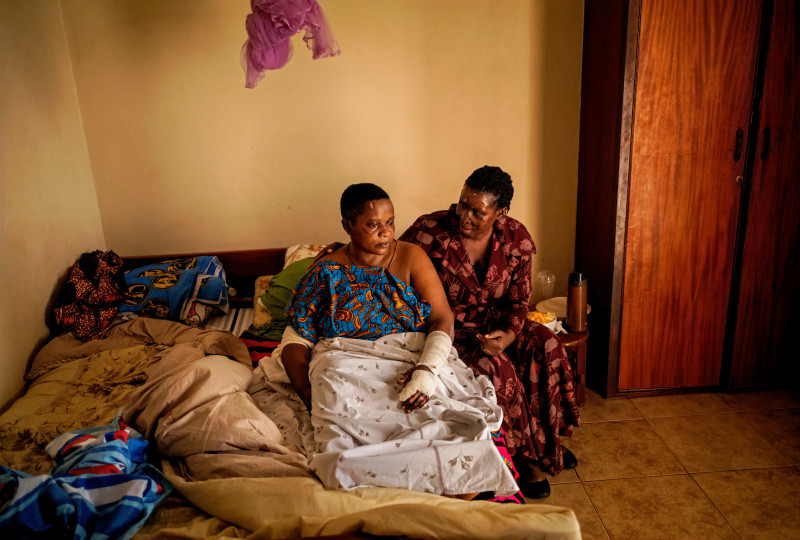
Dr. Ben Khingi, Uganda’s foremost expert on acid violence, has treated hundreds of survivors, including Gloria. Six years after their last meeting, they are reunited. He considers new surgery to ease her neck pain.“If someone in Parliament had been affected themselves, things would be very different,” Dr. Khingi says. He also founded Uganda’s first support group for survivors of acid attacks
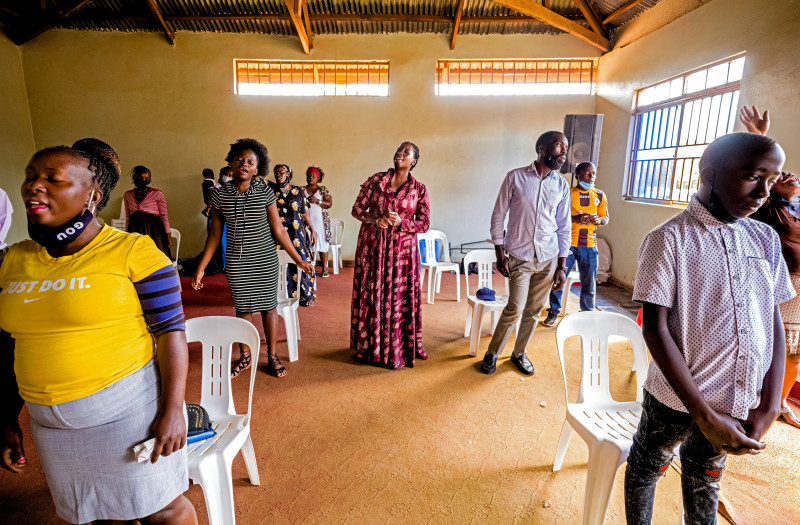
Sunday services at Comforter Celebration Church in Kampala bring Gloria and her community together
Helping and supporting other survivors of acid violence is now part of Gloria’s daily life. Here, she cares for Jane Tumukunde (47), injured in a sauna accident
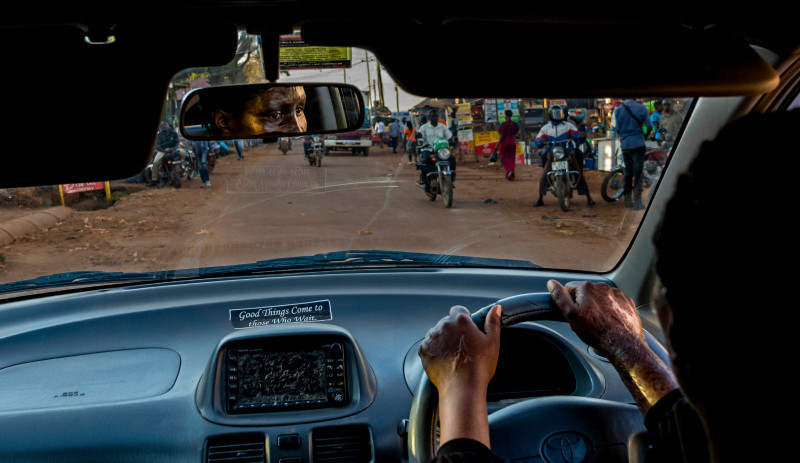
With sight in only one eye, driving in Kampala is still possible. Here, traffic follows the “squeezing principle” – with no fixed rules. Inside her car, a plate carries the words “Good things come to those who wait”, a quiet reminder of patience and perseverance in the middle of the city’s chaos
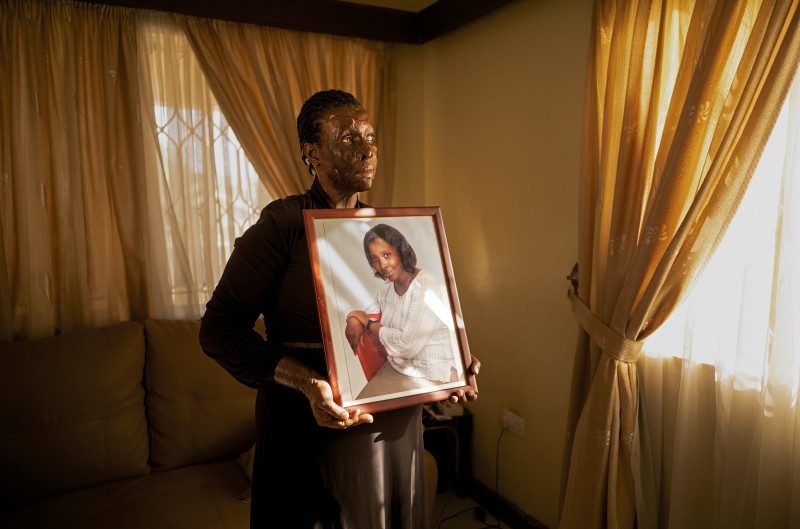
“Accepting my injuries and ‘new’ appearance has been a long process. Today I’m calm, filled with peace. For my own sake, I can’t live in anger or bitterness. The scars have become part of me,” says Gloria, who now helps others exposed to attacks
Those who survive acid attacks often live with deep physical and psychological wounds. Gloria fought hard not to fall into depression and to find her way back into society
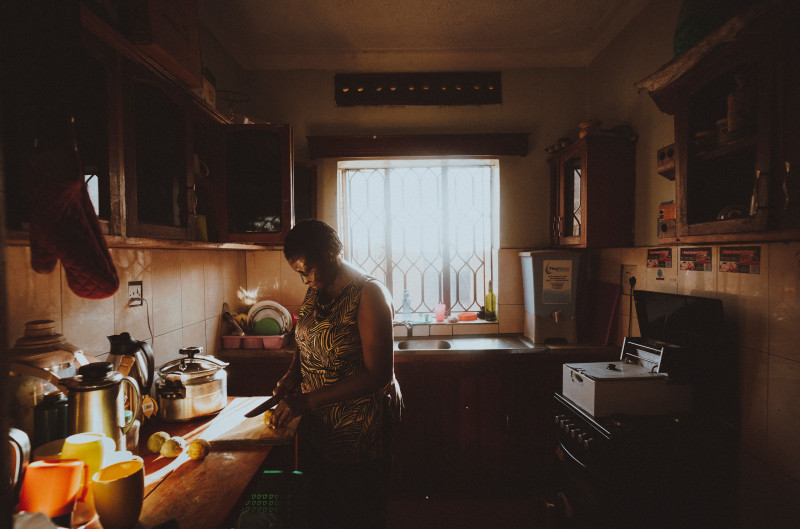
Preparing the meal in the afternoon light, the kitchen fills with warm sunbeams streaming through the window. It is a safe and familiar place, a moment of everyday life that feels cosy and grounding
“I carry hope. I’m a mother, a survivor, and my scars tell the story of strength, not defeat,” says Gloria.
ALL IMAGES ON THIS PAGE: © John T. Pedersen
EQUIPMENT: Leica M10-R, Super-Elmar-M 18 f/3.8, Summilux-M 50 f/1.4, Summicron-M 28 f/2
John T. Pedersen+-
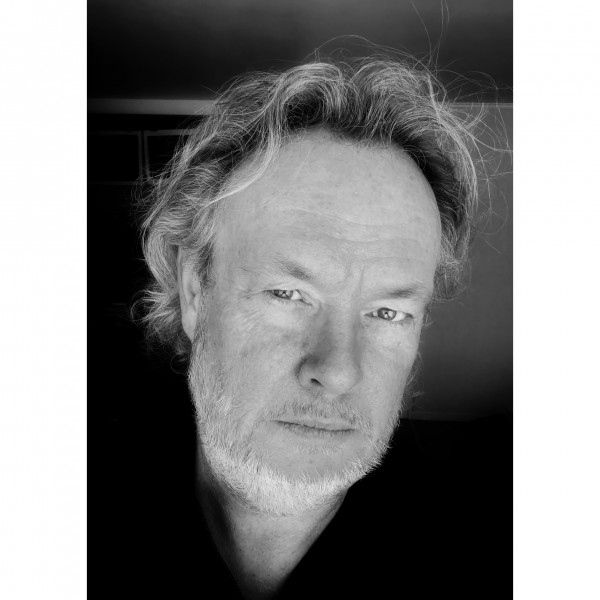
John T. Pedersen (*1966) is an independent photojournalist based in Norway, whose main emphasis lies on humanitarian themes. He has worked for numerous newspapers, specialised papers, magazines and agencies for over 35 years, with a strong focus on conflict, migration and social justice over his whole career. He currently works freelance for the national Dagbladet newspaper. More