To discover abandoned, endless landscapes, it was unnecessary for Alvado to travel very far, because his country, Spain, is home to one of the most underpopulated areas in Europe – the Serranía Celtibérica. We spoke with the photographer about global phenomena, irreparable developments, and the value of reality in his photography.
LFI: What was the initial idea behind your project?
Joan Alvado: At the beginning, there was just a big blank empty page. When I learnt about the story of extreme depopulation going on in the Serranía Celtibérica, I felt very attracted to it; I sensed this would be a good series in visual terms.
I had this really vast area of 63.000 square kilometers in front of me. I was aware that I needed to refine a concept for the series. One thing I knew for sure, I wanted to avoid the standard “nostalgic” approach, that you might expect for this topic: old people, a way of life that is disappearing, abandoned villages… When I started travelling and photographing throughout this region I didn’t have the final concept yet; but I knew I wanted to create something that might look different, renewing, fresh.
How did it get so deserted in this area of Spain? Do you think places like this might emerge everywhere in the world?
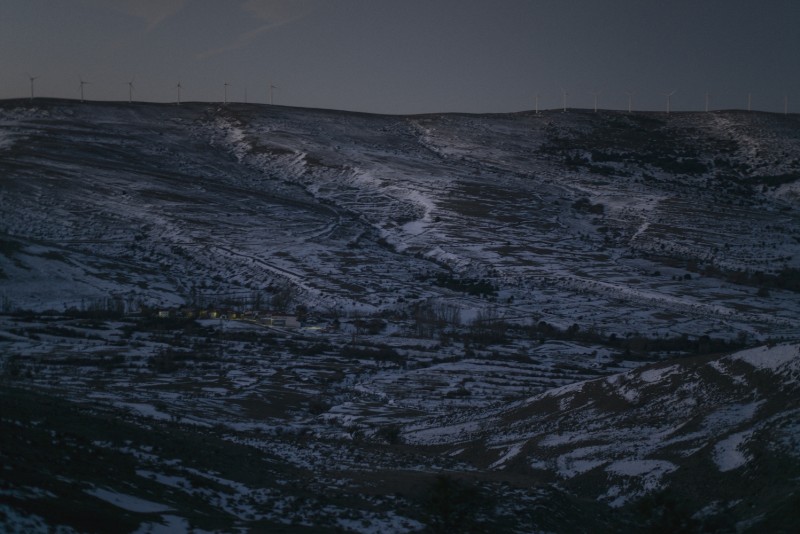
Yes, this is not a narrative that is exclusively related to these Spanish provinces. I try to make the images work at a more generic level, since I think this is a world-wide trend, especially in industrialized countries. The idea I want to raise in my photographic essay is that this trend is never going to be reverted. Agriculture as a way of life is dying in the so-called “advanced” societies. If there is no alternative economic motor to replace it, there will never be a re-population of rural areas. So, by having these reflections myself, I started to arrive at the concept I was looking for: what might the future of all these rural territories look like if the population loss trend continues? How might these areas look like in 30, 40, 50 years?
In your images, the surroundings look very desolate and empty, even post-apocalyptic – yet still somehow beautiful, calm and quiet. Is there any specific emotion you want to create?
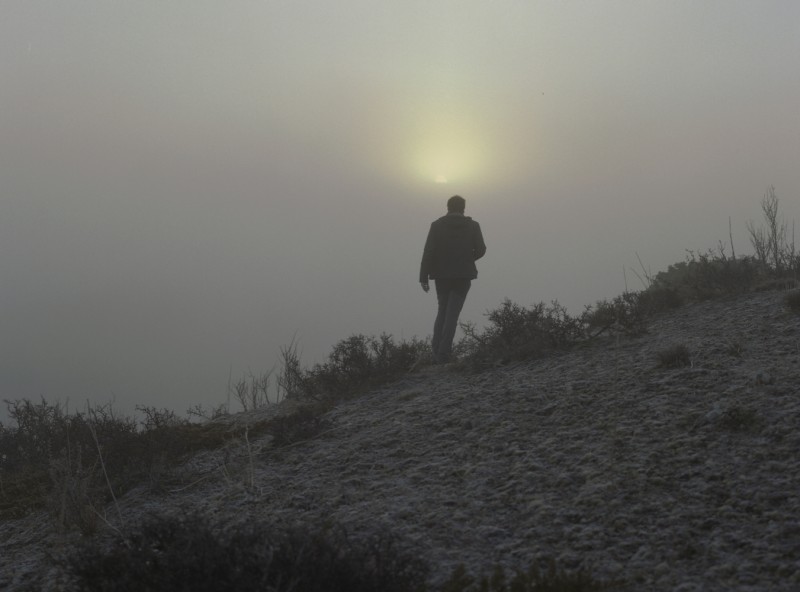
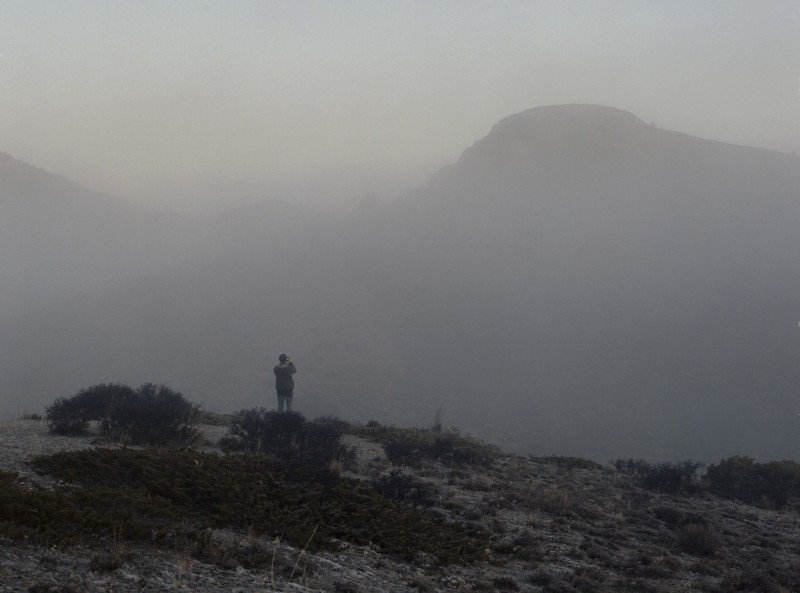
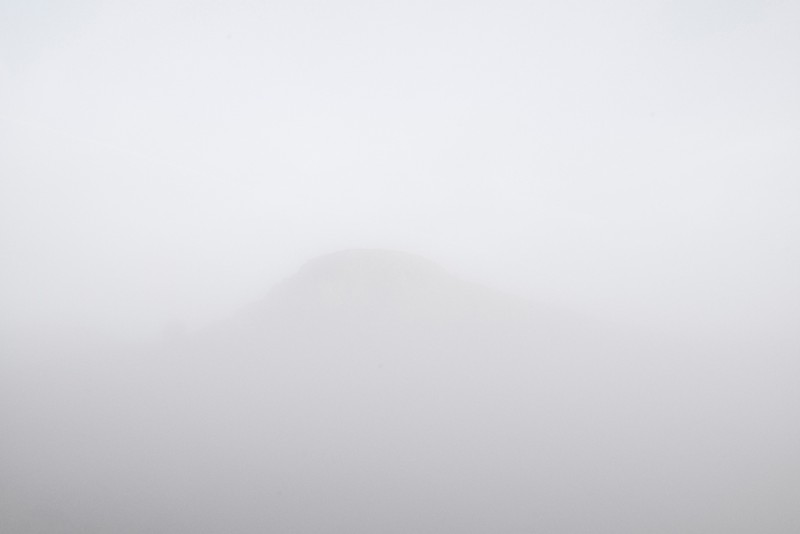
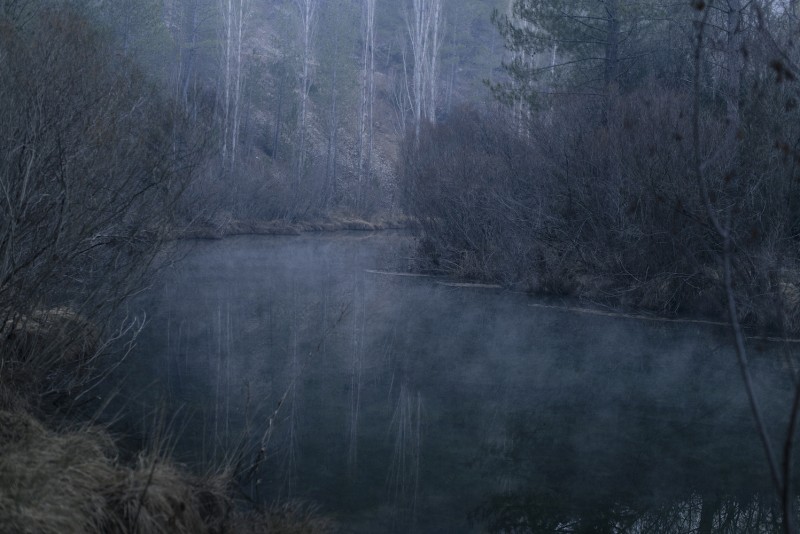
I wanted to create a fantastical mood, detaching the images a little bit from reality. To create a reflection in terms of the future, I thought it would be better if the images were not so grounded, not so attached to realities we can easily identify. So I started to photograph landscapes that have a kind of futuristic touch. That family of images started to grow, and for me they began to create an interesting body of work. Sometimes, the photos themselves can guide me a bit on my search to find the soul of the work.
Also, it is important to understand when I say that this is not exactly realistic. Of course, not everywhere in these regions is as empty as in the images. There are bigger villages, cities, which are more populated, and where I came across evidence of life and people, daily. I am not saying “everywhere is empty”, I just filter things to create imagery that fits into the subjective patterns I’m looking for.
EQUIPMENT: Leica M (Typ 240) with Summilux-M 50 f/1.4 Asph.
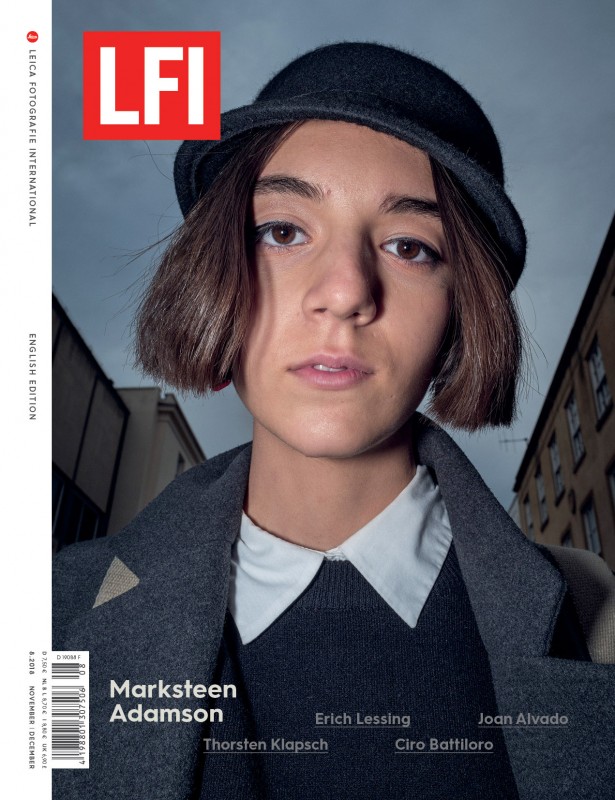
LFI 08.2018+-
Read more about Joan Alvado’s Fading Away project in the 08.2018 issue of LFI Magazine. More
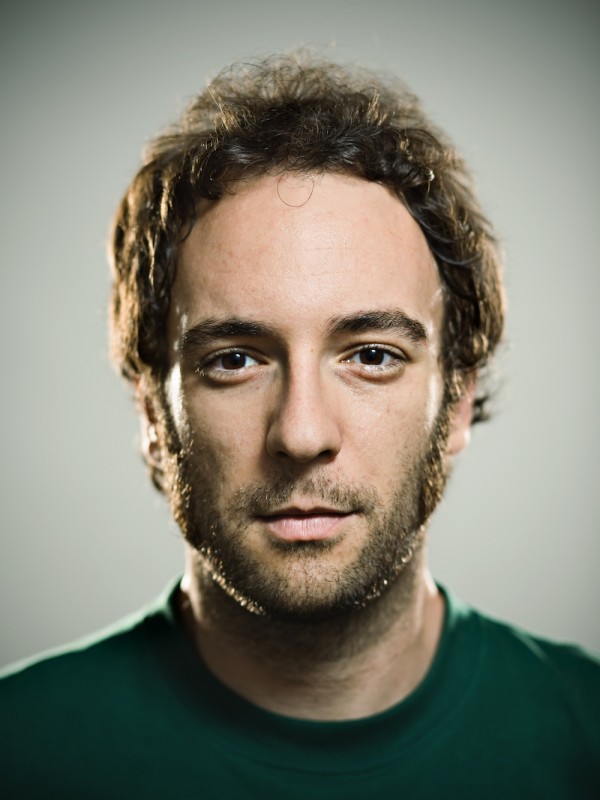
Joan Alvado+-
Born 1979 in Altea, Spain, Alvado’s work is found in various collections and has been widely exhibited at festivals and events. His projects have appeared in the international media, including Newsweek, The Washington Post, El País, Der Spiegel, The Guardian and La Repubblica, among others. In 2018, Alvado published his first book, Escola de Pastors (The Shepherds’ School), about shepherds and traditional livestock farms in Catalonia and the French Pyrenees. In 2022, he received the Galicia Contemporary Photography Prize. His second book, Os Batismos da Meia-Noite (The Midnight Baptisms) about beliefs, spiritual world views and folk culture in the Serra da Peneda, appears in May 2026. Both books are available on Alvado’s webssite. More