In search of the rare, the unusual, the absurd – the alternative kind of picture within the normality of daily life. This time we are introducing photographers whose pictures discover and capture common day items that we generally overlook – even though they are right in front of our eyes.
Marcel Duchamp is said to have perfected the concept of l’objet trouvé with what he termed readymades at the beginning of the 20th century, declaring that the genre belonged to Dadaism. L’objet trouvé refers to nothing less than any item of everyday life, with its own, unique peculiarities, which is raised to the level of a work of art thanks to the way it is presented. Transferred to photography, this concept becomes a foto trouvé. This does not refer to the 1986 Photo trouvé article by the German analogue photographer Andreas Müller-Pohle. Müller-Pohle used the term ‘Photo trouvé’ to refer to the one, valid picture found among a vast selection of negatives. It referred to his approach to preparing his artwork, and to the fact that, after taking a picture, he never really knew how the photo came about. In the case of the foto trouvé, it is more a question of the content.
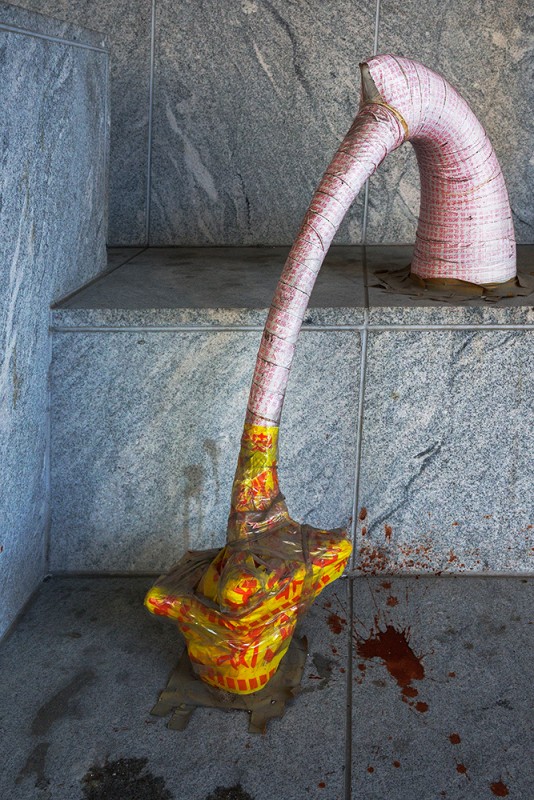
The photograph can be limited to showing just one found object. This is the case where it comes closest to the Dadaists concept of l’objet trouvé. Chun Ming Chan in Taiwan appears to be showing us the consequences of a sneaky attack on a trematode, brutally injured on its ear while drinking. In an attempt to cover up the crime, its head is taped and fixed to the ground.
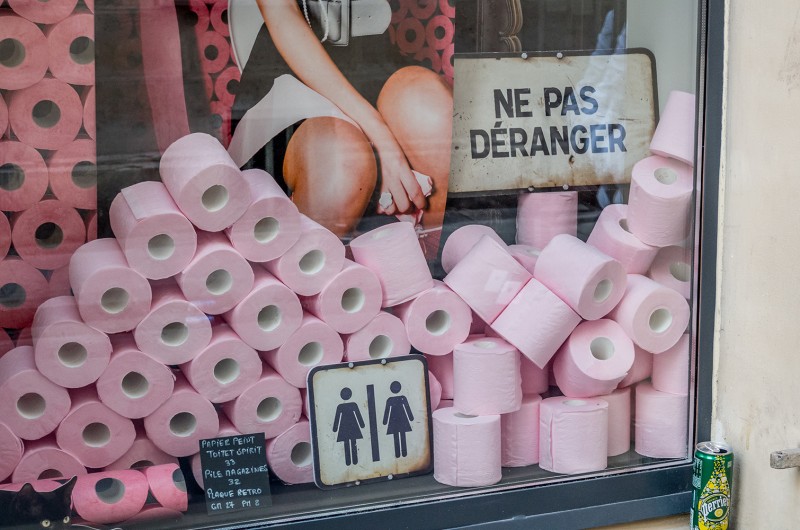
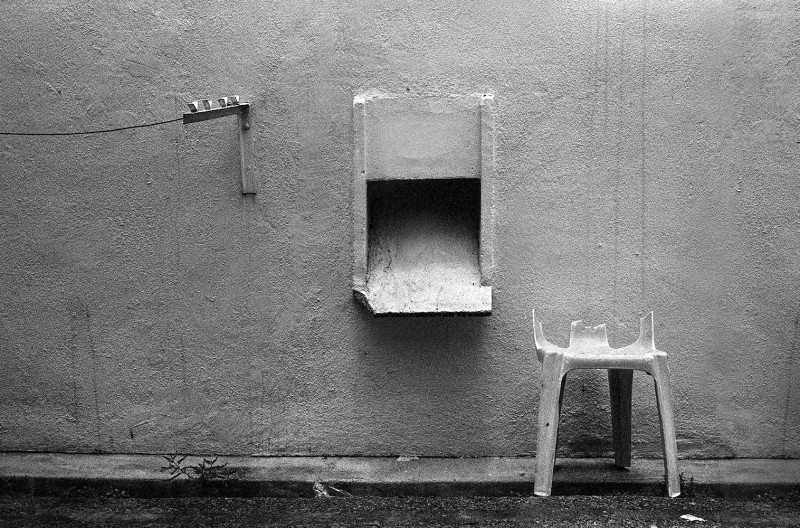
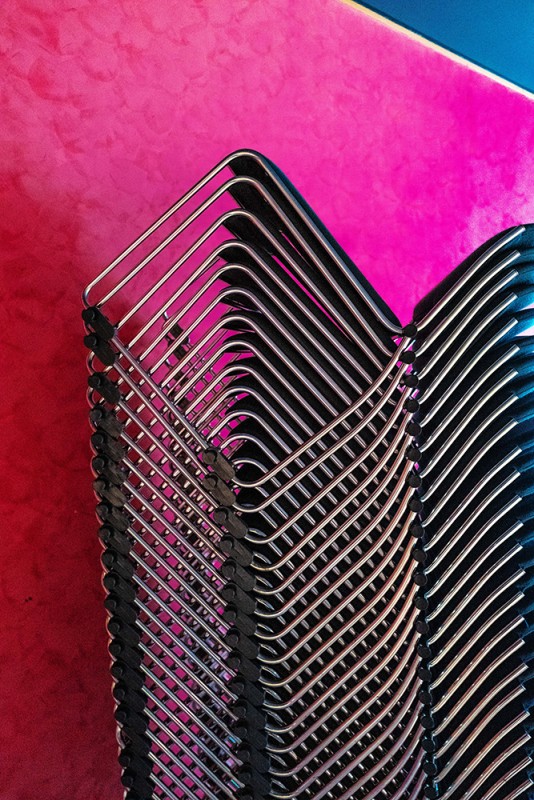
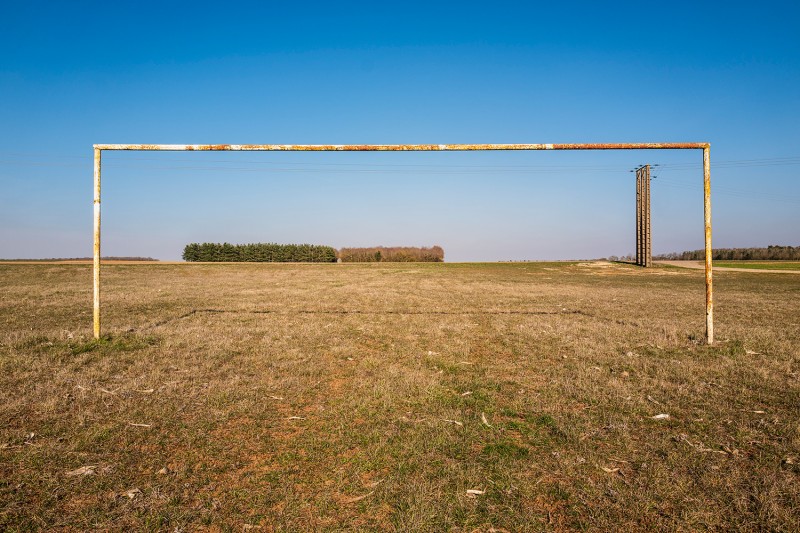
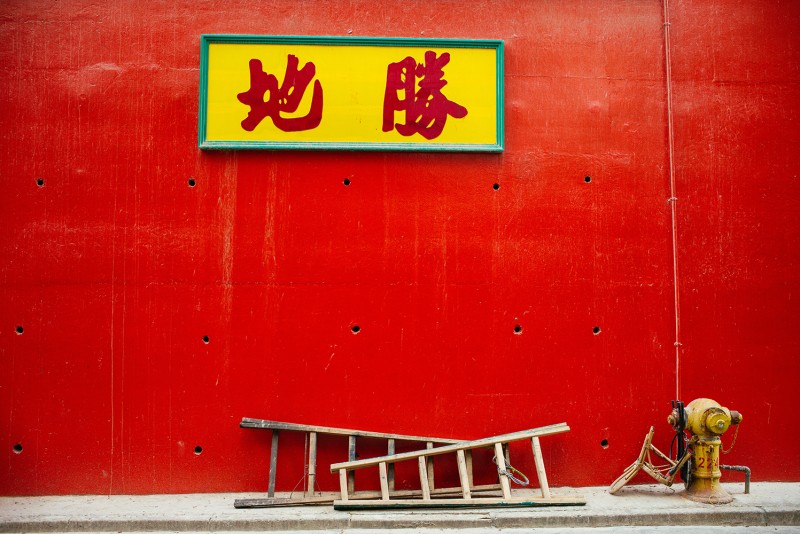
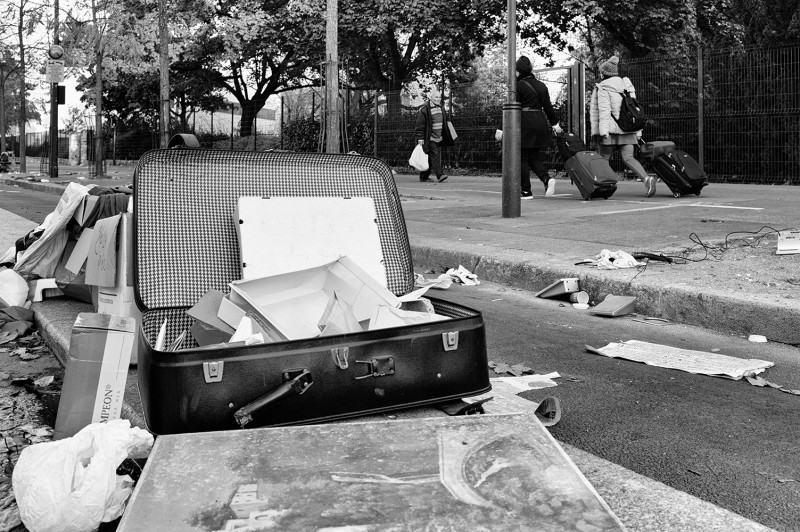
When the camera draws so close to an object that its entirety is no longer visible, its form and colours disperse. In this manner, Ikuo Inoue in Japan transformed a stack of chairs into a breathtaking, rhythmic display in front of a brightly colourful cocktail. If the camera takes a step back and introduces other elements in relationship to the object, we are presented with a still life. Elizabeth Cowle shows us the ghostly, magical beauty of a broken chair in an abandoned alleyway in Singapore. Jean-François Muguet, searching for the unusual in rural France, places a small forest, a post and electricity lines within the frame of a football goal post, turning them into a foto trouvé , – in this case a picture within a picture. Will Yang preserves the memory of a red wall in Hong Kong, which becomes a foto trouvé thanks to cleaning equipment left behind on the ground; and Michael Erimo in Paris found a suitcase that tells a story about the past, the present and the future. Finally, also in Paris, Gaetano Iacolino shows that a foto trouvé can also represent an intellectual game. The sign reads “Ne pas déranger”, which means “Do not disturb”. “Déranger”, however, also means “to muddle up” and even “to disrupt”. The installation in the window plays with these meanings and, as a result, is making a subtle demand for civil obedience.
(Olaf Staaben)