The Colombian photographer talks about his work along one of the most dangerous refugee routes in the world.
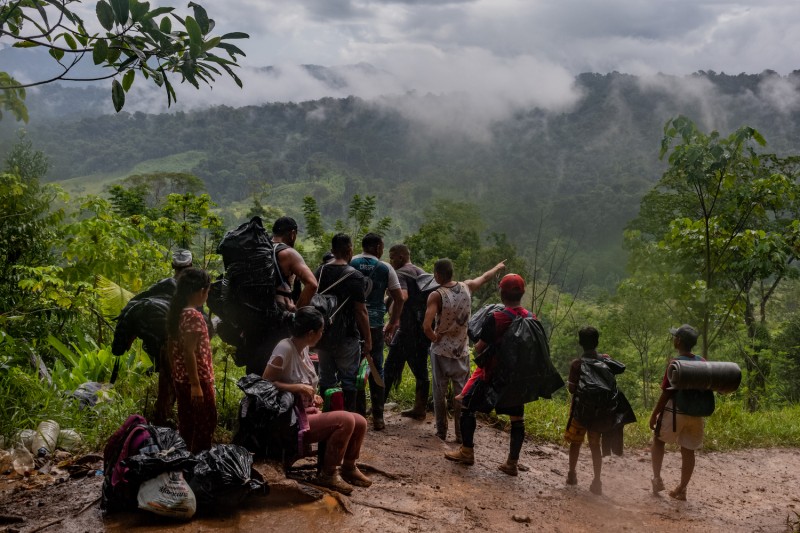
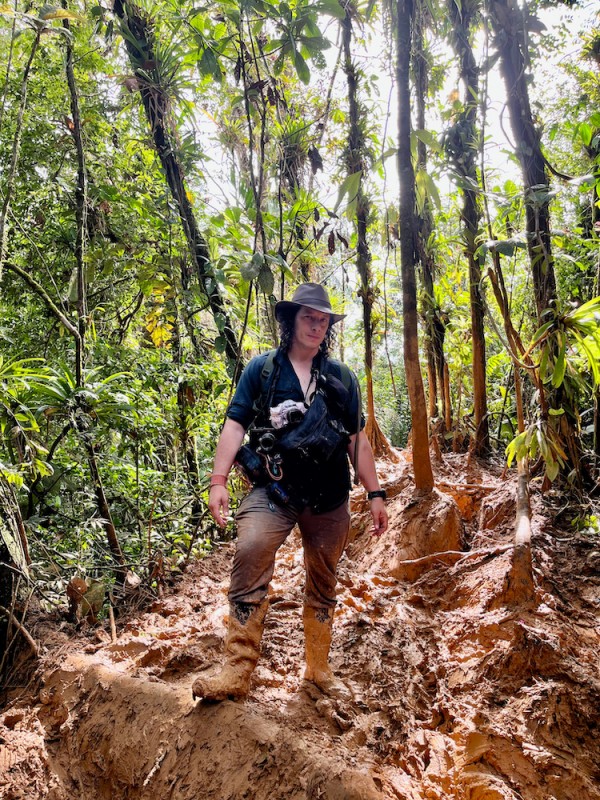
For a number of days, photojournalist Federico Rios Escobar accompanied migrants travelling through the dense jungles of Panama, along one of the most dangerous refugee routes in the world. In this interview, he explains how he prepared for the journey, and tells us where to pay special attention when documenting photographically such a sensitive subject.
LFI: What are the dangers of crossing the Darién Gap?
Federico Rios Escobar: The Darién Gap is a dangerous stretch of jungle connecting Colombia and Panamá. If you can’t fly because you don’t have the right documents, it’s the only way to cross from South America into Central America. There are robberies, sexual assaults, murders and violence. We saw dead bodies on the trail, there’s nothing a migrant can do to protect himself but trust his instinct and go ahead. It’s just not safe, but for them the situation back home is so bad that the risk is worth it.
How did you prepare for your journey?
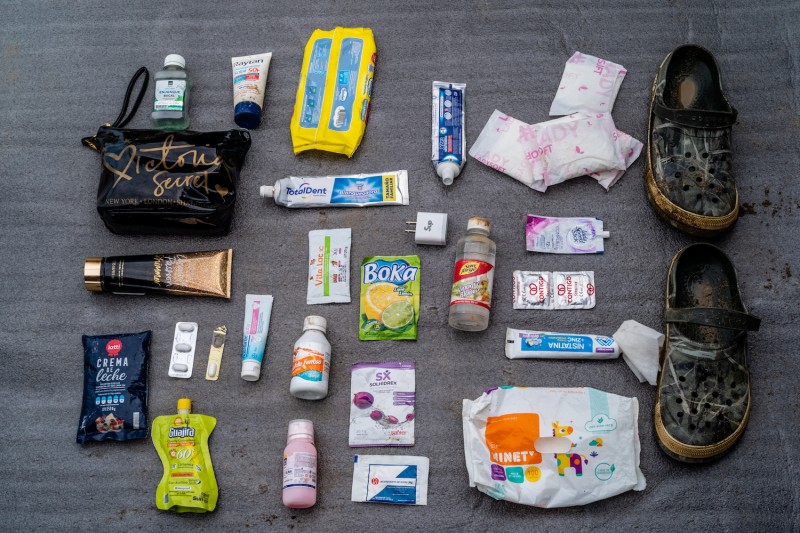
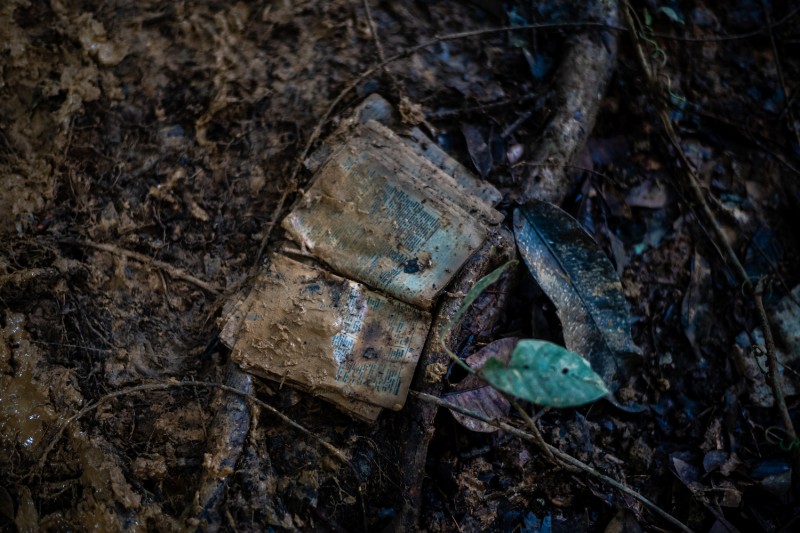
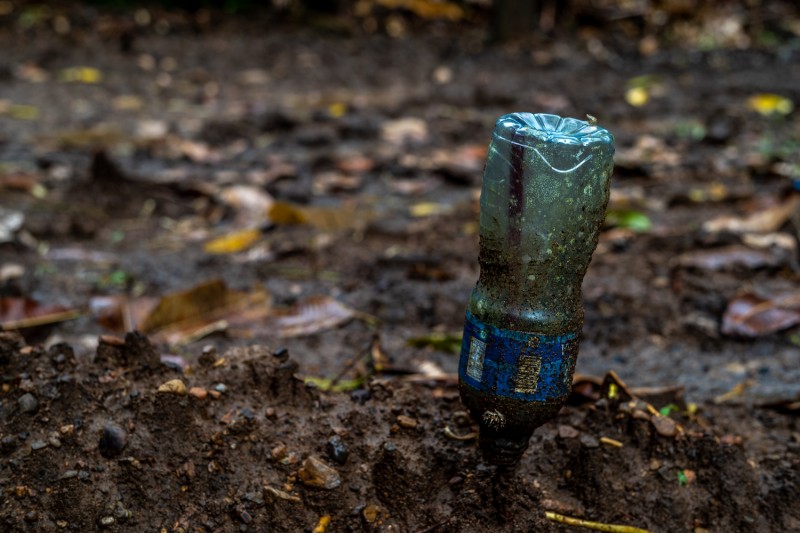
Don’t bring anything that isn’t essential — but also, don’t leave behind anything you’ll need. The preparation was both physical and psychological — it isn’t easy to see the people suffering, it’s not easy to see people dying or dead bodies along the trail. How can you even prepare for that? We had to bring everything we would need to sleep and feed ourselves in the forest, but at the same time travel as light as possible, so as not to be laden down. Everything they leave behind is going to be a memory of something they will never see again; but everything they carry is going to be weight on their back, and take up space in their backpacks during the journey. What would you bring if you had to leave your home and never go back?
What advice would you give to other photographers who want to document social issues?
Wear comfortable shoes, grab your camera and go to your chosen place for as long as you can. Once you’re there, shake some hands, spend time not photographing your subjects, but trying to understand them. Read about their history and then work hard on telling their story. In the days of AI, it’s going to be harder to be a photographer documenting social issues, your most appreciated value is going to be trust. So work on trust from all sides: your editors, your colleagues, your audience and the subjects you are shooting. If people trust your photos, you’ve won the biggest prize.
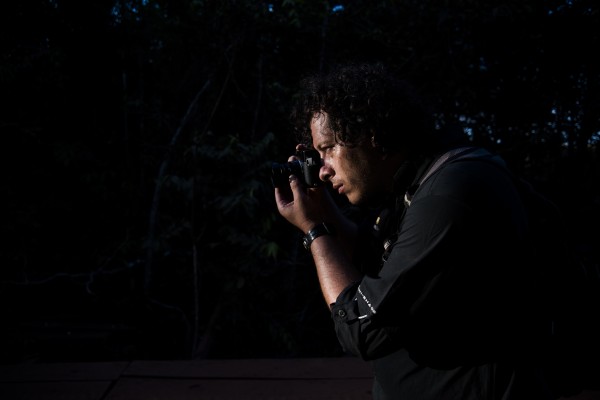
Danilo RößgerEQUIPMENT: Leica M10 with Summilux-M 50 f/1.4 Asph.
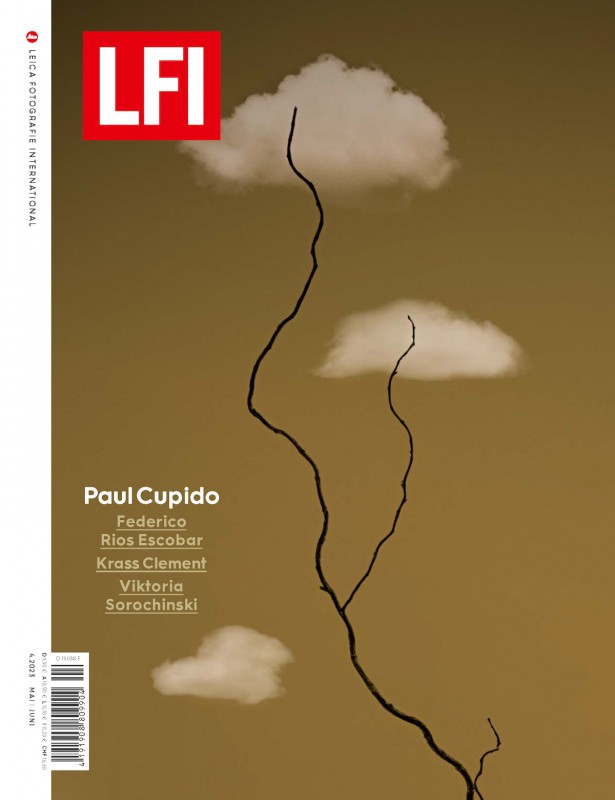
LFI 4.2023+-
You can find more pictures of his journey through the Darién Gap in LFI Magazine 4.2023. More
Federico Rios Escobar+-
Born in 1980, the renowned Colombian photojournalist is known for his impressive, in depth, visual narrative. As a regular contributor to The New York Times, he has dedicated his work to complex stories about migration, armed conflicts, and the relationship between society and the environment in Latin America. In 2024, he published his photo book Darién, which focusses on migration through the dangerous Darién region. This work followed his highly-regarded VERDE publication from 2020, which presented a decade of documentation about Colombian guerillas. Ríos Escobar is the recipient of numerous awards, including the World Press Photo 2025 Long Term Latam Winner. More