1/3
1/3
An icon of photojournalism
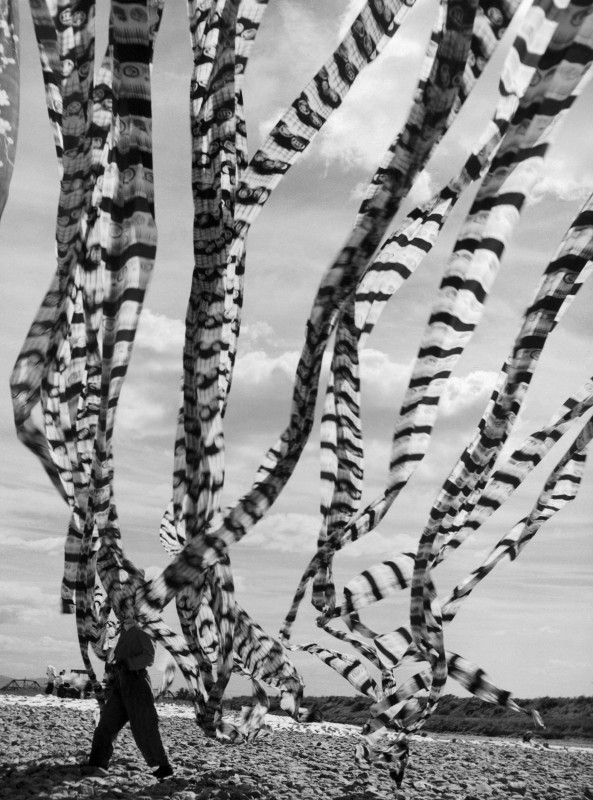
Silk drying, Kyoto 1951
© Werner Bischof Estate / Magnum Photos
Werner Bischof: Leica Classic
Photographer, Artist, Witness: with this title, the Ernst Leitz Museum in Wetzlar is presenting a grand retrospective. Our portfolio offers a first insight More
(14) Big in Japan
The invention of the 35mm camera changed photography in a fundamental manner, and not just in Europe. The revolution soon spread across the world, with a particular influence on the development of photography in Japan, where, over the course of the 1930s, it became a symbol of modern photography, aesthetics and technical perfection. More
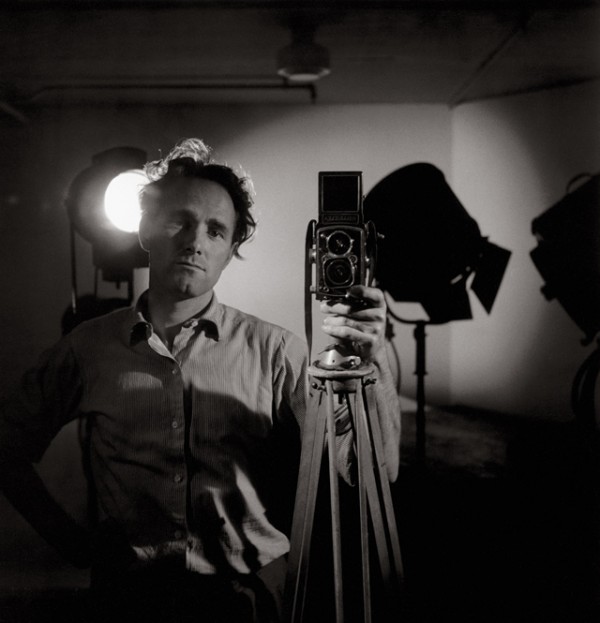
Born in 1916, Bischof studied at the Vocational Art School in Zurich from 1932 to 1936. In 1939 he travelled to Paris to become a painter; when the war broke out he returned to Switzerland to do two years of military service. As of 1942 he worked as a photographer for the Swiss magazine Du. As of 1945 he documented post-war Europe, becoming a member of Magnum Photos in 1949. He worked for international magazines. He spent six months in India in 1951, followed by a year in Japan with some interruptions. 1952 he became a war correspondent for Paris Match, travelling to Indochina, India, Ceylon. 1953 he spent four months in the USA, travelling from New York to Mexico City in 1954. After that he went to Panama, Santiago de Chile and Lima on assignment for Magnum and Life. On May 16, 1954, Bischof had a fatal accident when his car plunged into a ravine in the Peruvian Andes. More
Silk drying, Kyoto 1951
© Werner Bischof Estate / Magnum Photos
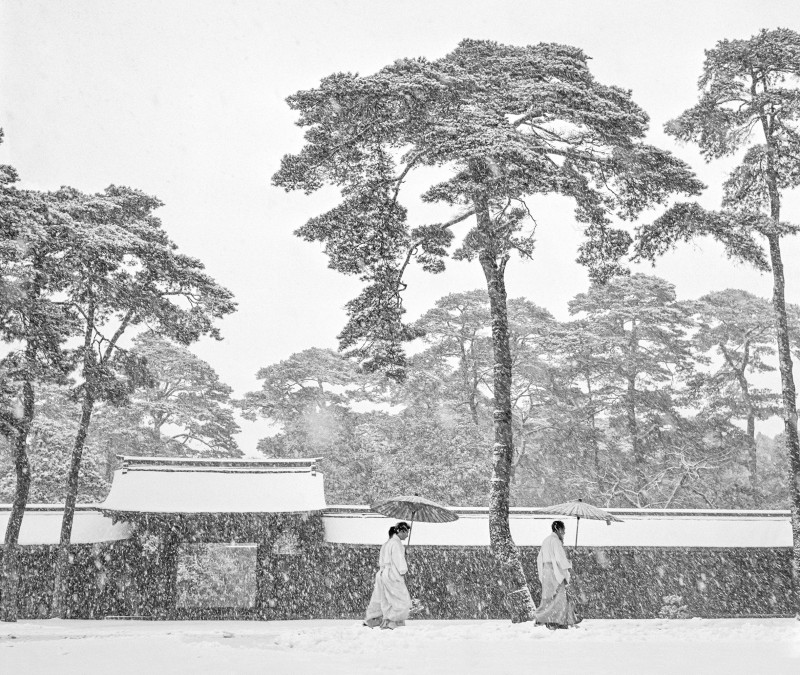
Meiji Shrine, 1951
© Werner Bischof Estate / Magnum Photos
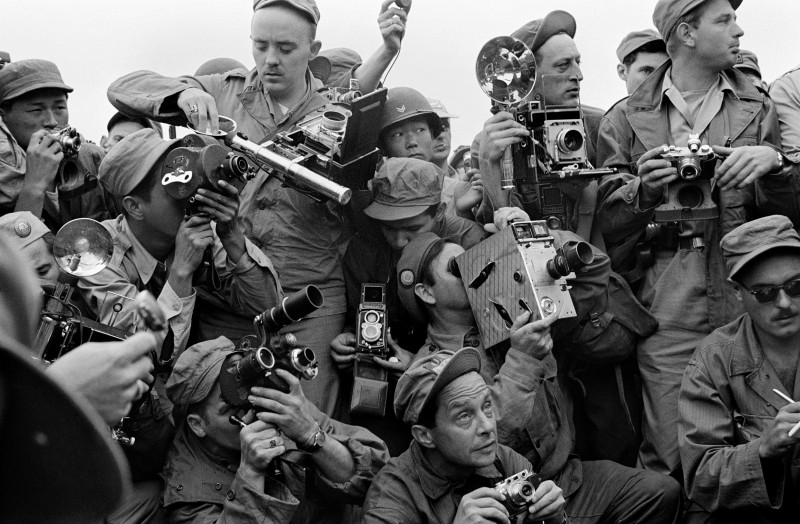
Reporters covering the Korean War, Kaesong 1952
© Werner Bischof Estate / Magnum Photos