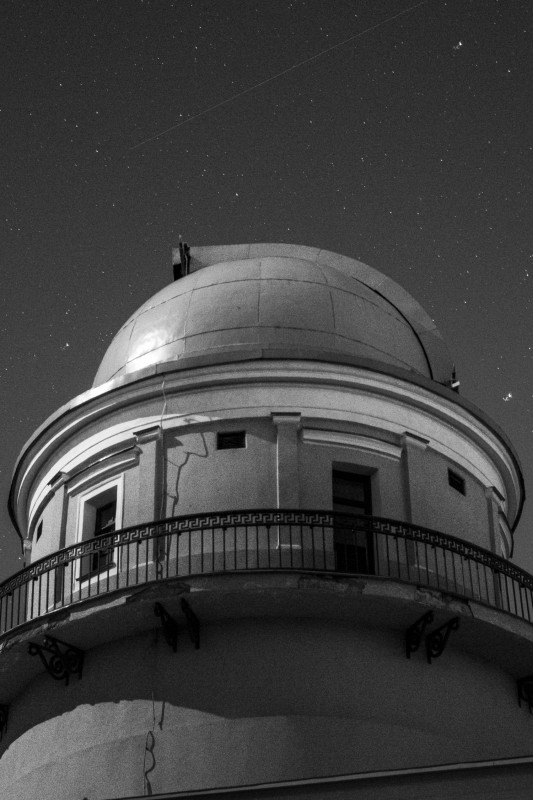
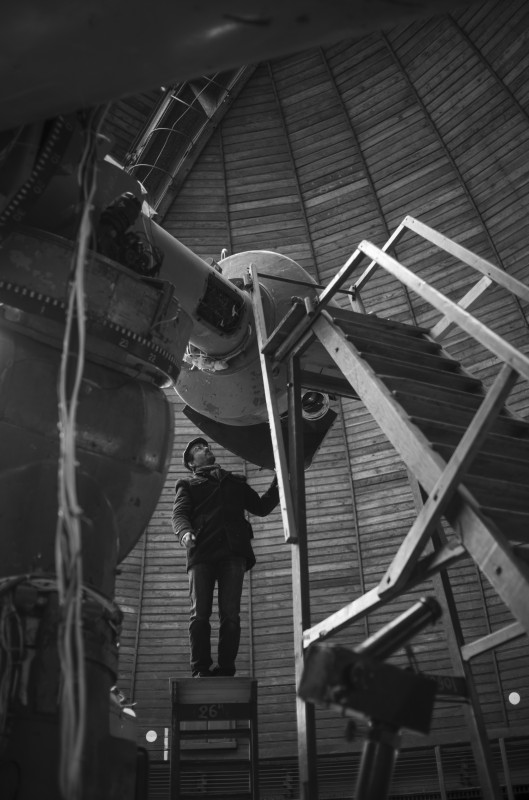
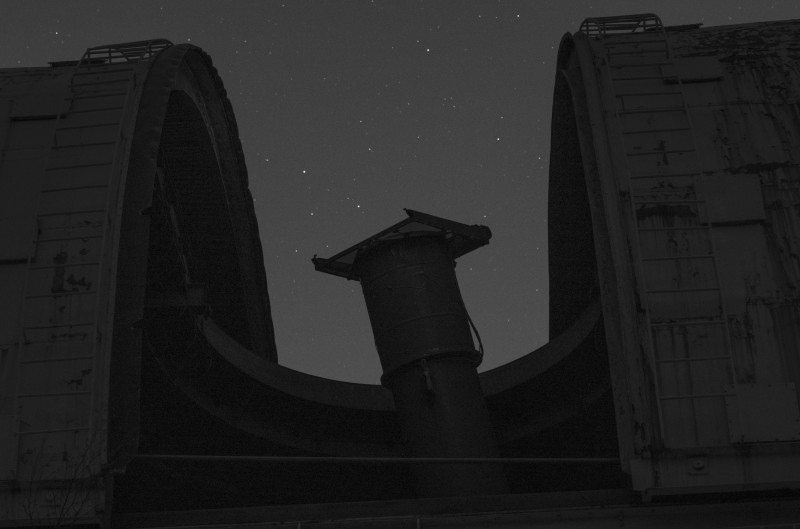
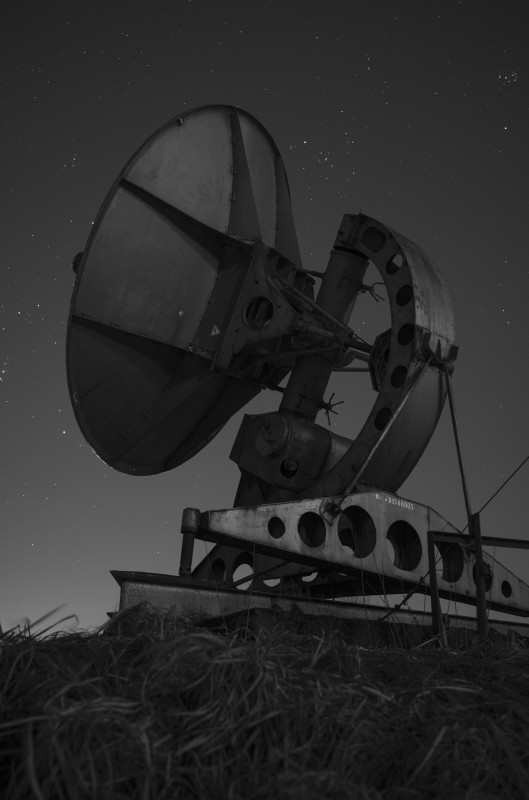
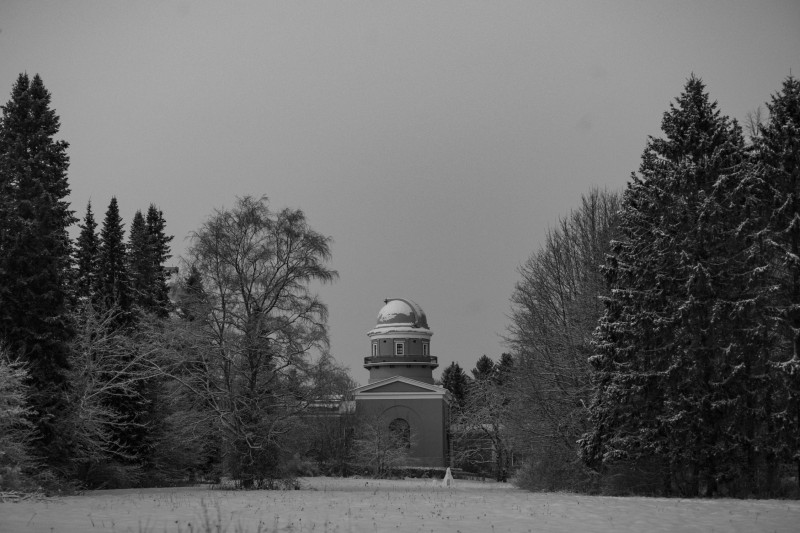
The Pulkovo Observatory is close to St. Petersburg, and was established in 1839, by the German astronomer Friedrich Georg Wilhelm von Struve. Enveloped in the spirit of the past, the photographer set out to discover the significance of the place today. In doing so, he encountered passionate scientists for whom outer space is far more than an unfathomable black emptiness.
LFI: What is it about astronomy that fascinates you?
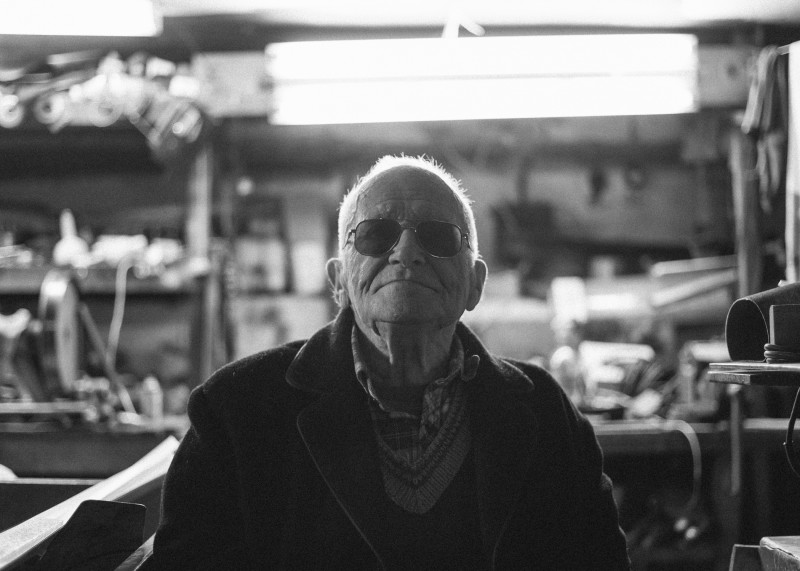
Roman Sokolov: I’ve been interested in astronomy since I was five or six years old. I asked my parents for an astronomy encyclopedia. There was a new one, but it was expensive; so my father tried to change my mind by offering me a remote-controlled car instead. I told him that I would probably only play with that for a week or a month, but that the book would be with me for much longer. In this manner, I furthered my education. The feeling for greater correlations continues to grow within me. Through the photography project, I met people who had decided to dedicate their lives to exploring the universe. I believe that working with the stars, out in nature, gives people the ability to meditate and reflect. Dealing with the cosmos gives me an inner feeling of freedom and joy at being part of something amazing. Astronomers say that outer space teaches about togetherness.
What was the trigger for this project?
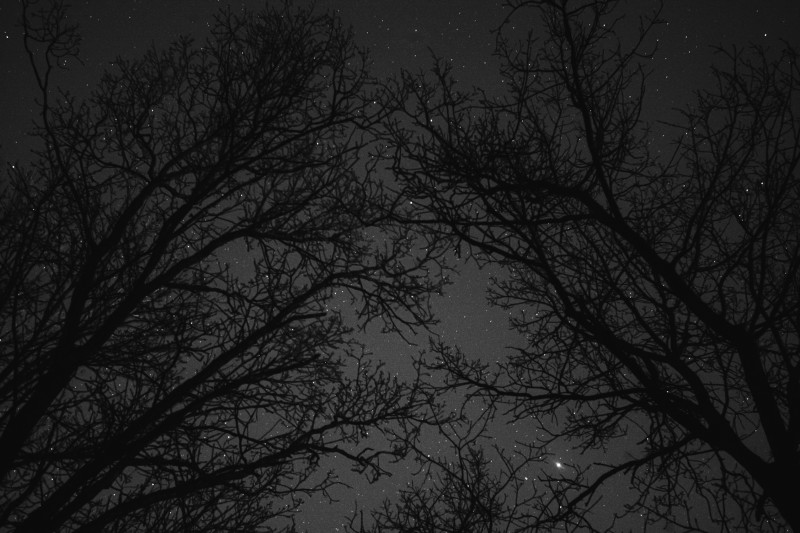
I’ve been thinking about a project dealing with the Pulkovo Observatory for nearly four years now. Its protected area has been declared a commercial residential development zone, which has led to a radical increase in light pollution in the night sky that has rendered telescopes useless. I wanted to bring this situation to the attention of the general public; at the same time, I had the sense that the matter was more deeply complex. It’s hard to explain, but astronomers live with the possibility of the planet as a living object in flight, experiencing the moon, the sun and the rich space around us in a much more intense way than many of us do. We’re the first generation to have grown up without a visible connection to the Milky Way, and without the possibility of observing space on a clear night. Increasing numbers of young people all over the world have never seen a night sky completely free from electric light. How do you explain the profound delight of the heavens to those who have never had this experience? How can I explain this light to those who have never seen it? I only hope that I can inspire one or more people to have that experience.
The observatory is a historical place; what did you want to share through your pictures?
The Pulkovo Observatory is a place of sacrifice and tragedy, of surrender and inspiration, of loss and of hope.
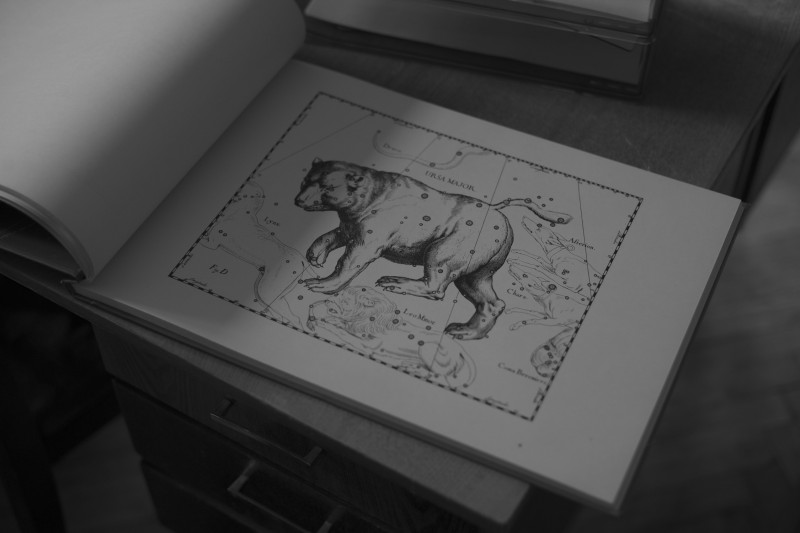
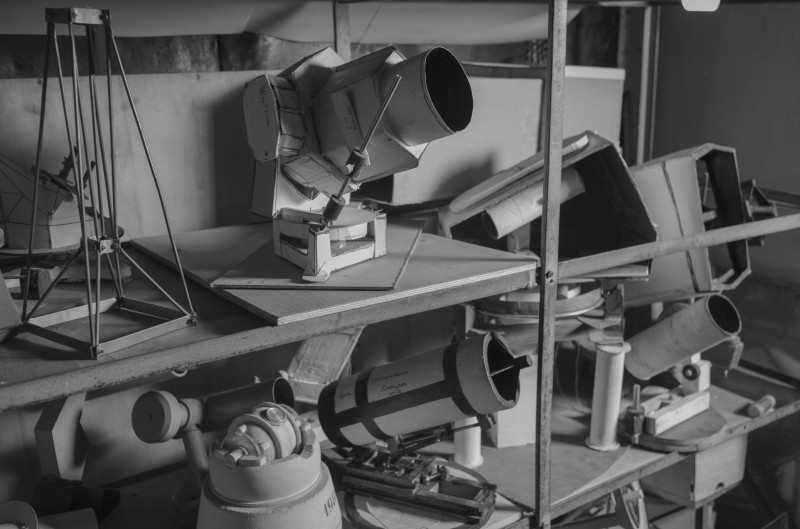
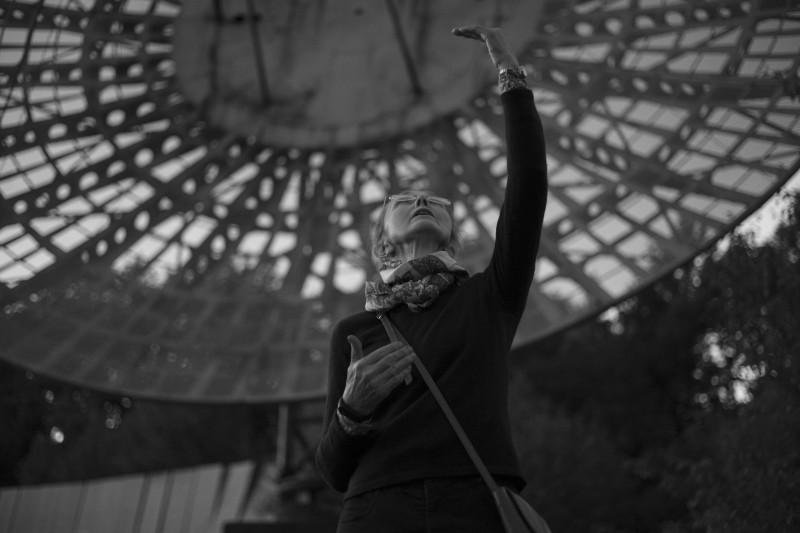
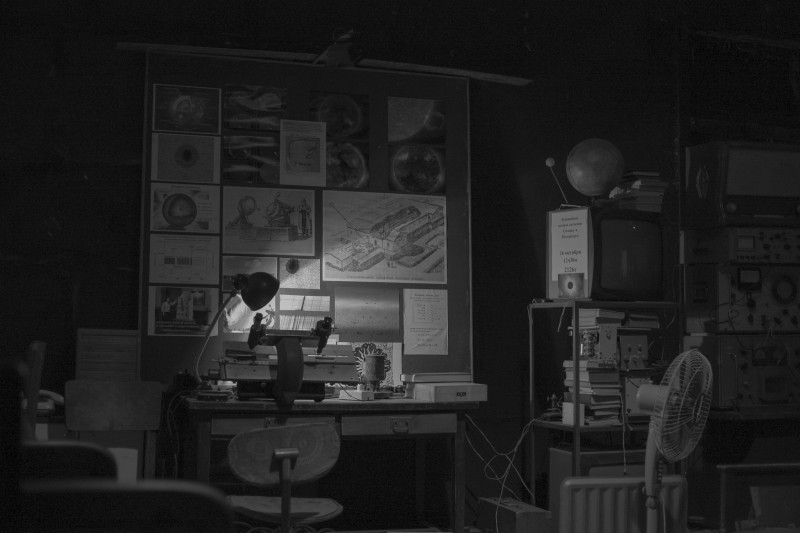
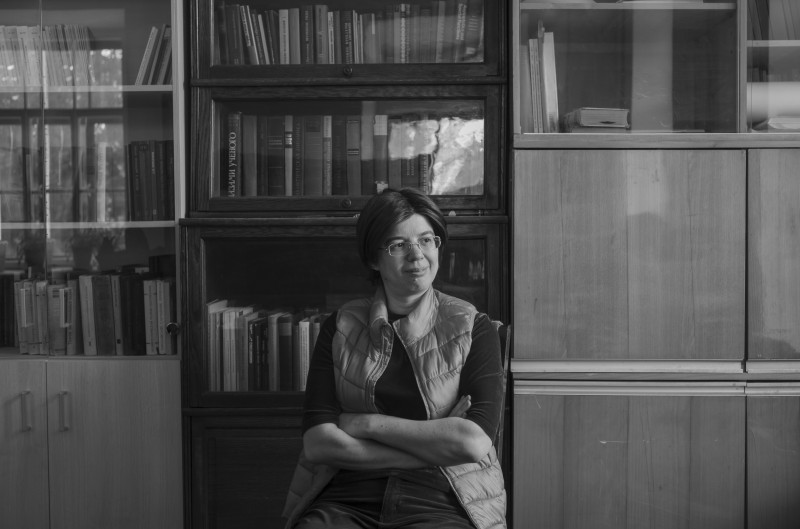
With my main motifs, which I photographed on 6x6 film, I wanted to revive the playful spirit of science, while also conveying a sense of place. In my black and white pictures, I focus on contemporary everyday life, as a reminder of a great past. My work reveals the fragility of scientists in their ascetic lives. Many of them sacrifice a simple comfortable life, so as to remain working in astronomy, rejecting a more lucrative path in programming and practical work. By showing the observatory and the ascetic way of life, I want viewers to consider what the work of astronomers represents. They deal with orders of magnitude that are far more fundamental, and it is difficult to express the joy involved in entering into a dialogue with them.
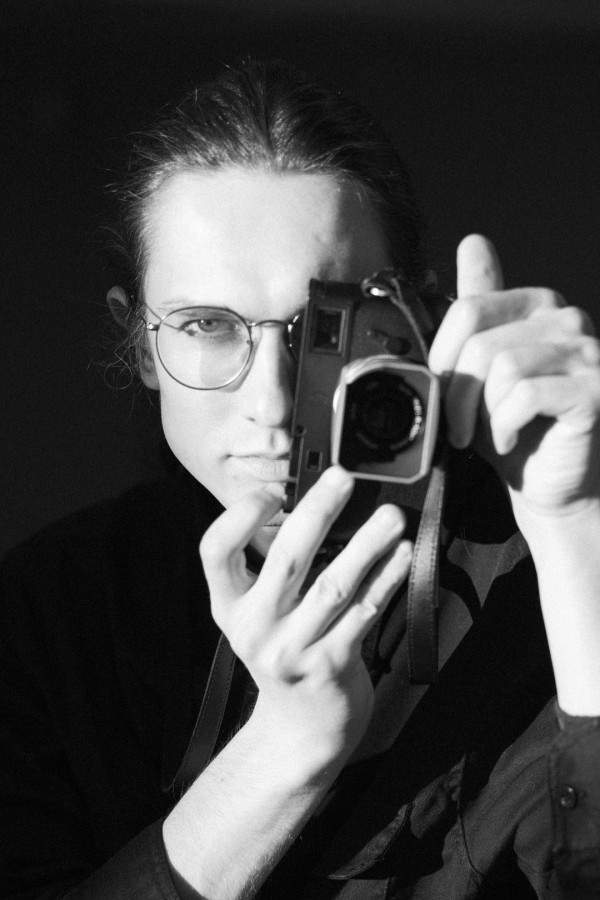
Why did you decide to photograph part of the series in black and white?I decided on black and white to avoid a mixing of film and digital colours. Furthermore, I wanted to capture modern daily life with a kind of timeless distance, as though it were already part of a larger observatory archive. Black and white also proved to be a good solution for pictures taken in bad lighting conditions, without my having to worry too much about image quality. In addition to my M10, the local Leica dealer (Ex-Leica in Moscow), kindly put an M10 Monochrom at my disposal. It has a similar sensor to those widely used in astronomy. Astronomers use black and white sensors, which allow more light to be captured by the telescope without being reflected through colour filters.
How was it to work with the camera?
The light-weight digital Leica allowed me to photograph in all kinds of unexpected situations along the way, including the search for new perspectives or when walking around. Many moments may never come again, and you must be ready. In addition to considering the shot, it’s important to allow room for experimentation and spontaneity. With the M10 Monochrom, you feel able to take pictures in any lighting conditions. Nights at the observatory can be challenging. I spent about 30 or 40 nights there, sometimes with temperatures as low as minus 30 degrees, and sometimes until sunrise. The Leica cameras were reliable to work with.