In his long-term project dedicated to a community living on the outskirts of Lisbon, the Portuguese photographer deals with social issues such as marginalisation and discrimination – and, in doing so, gives the people there a face.
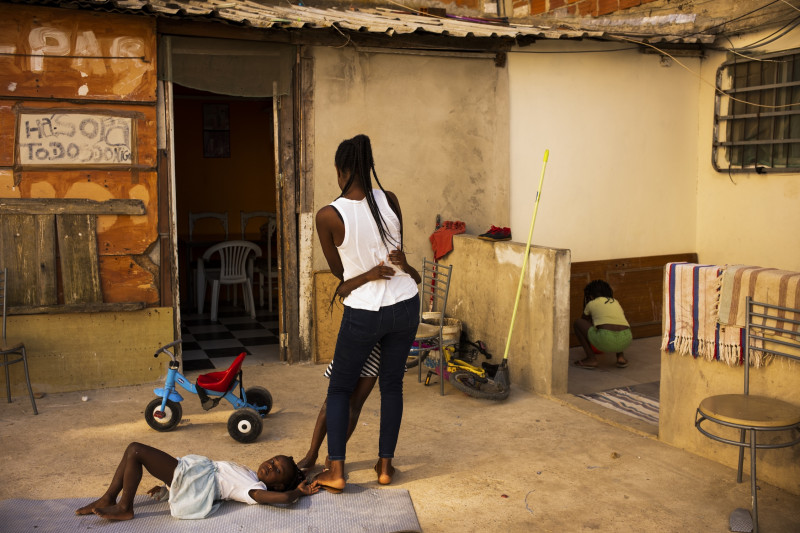
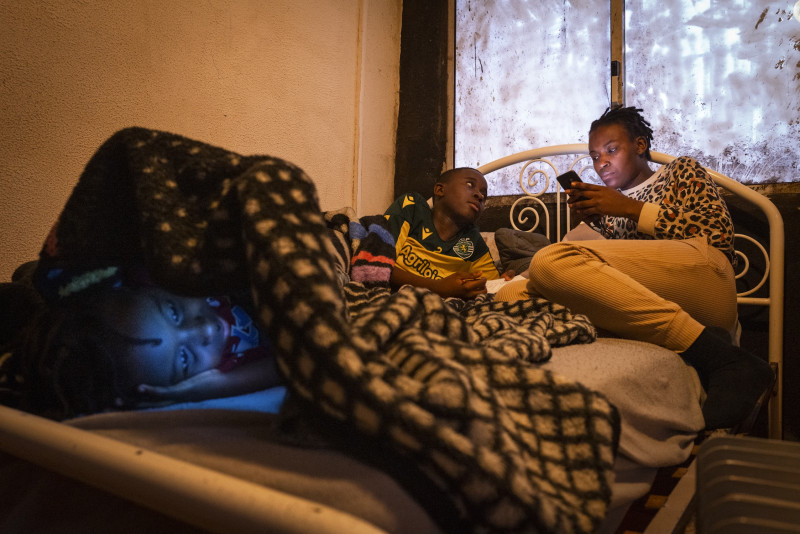
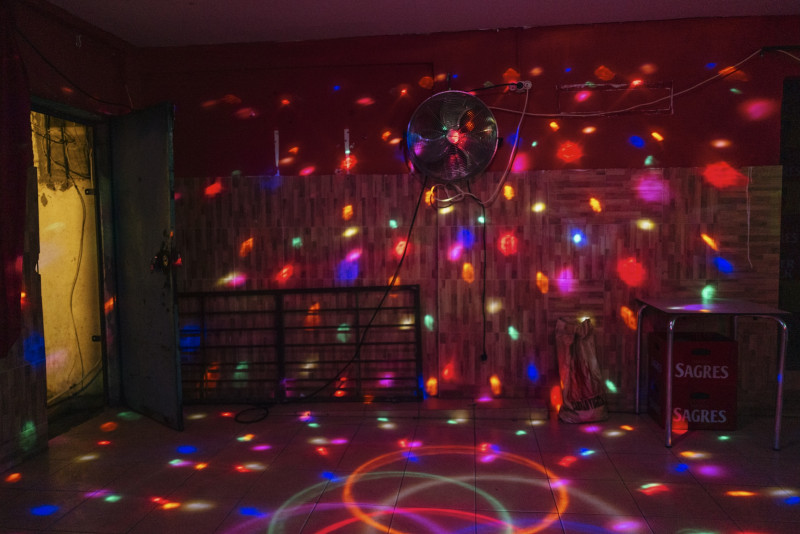
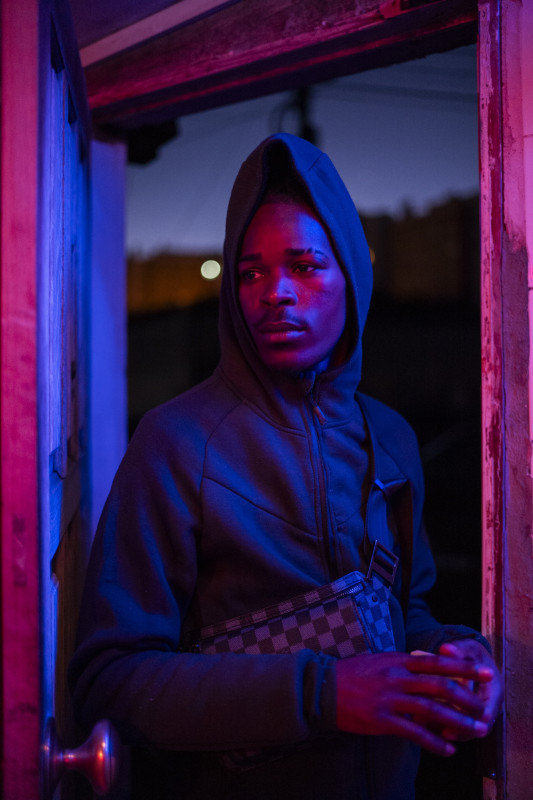
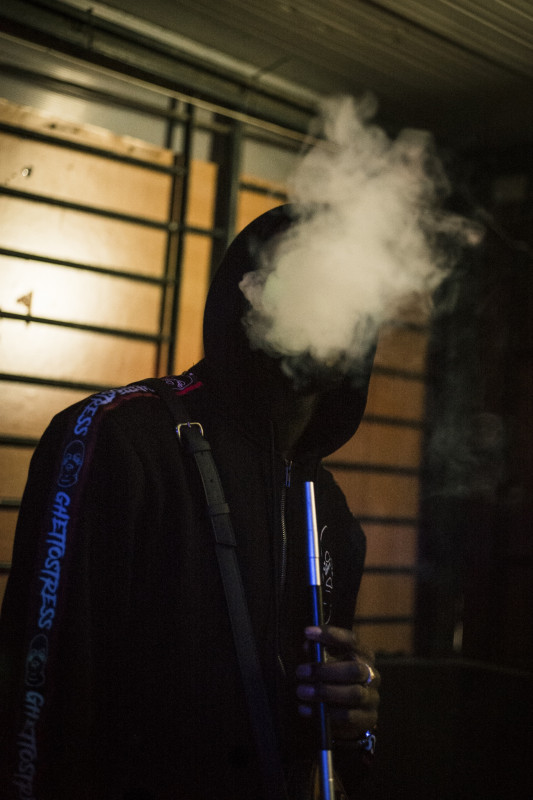
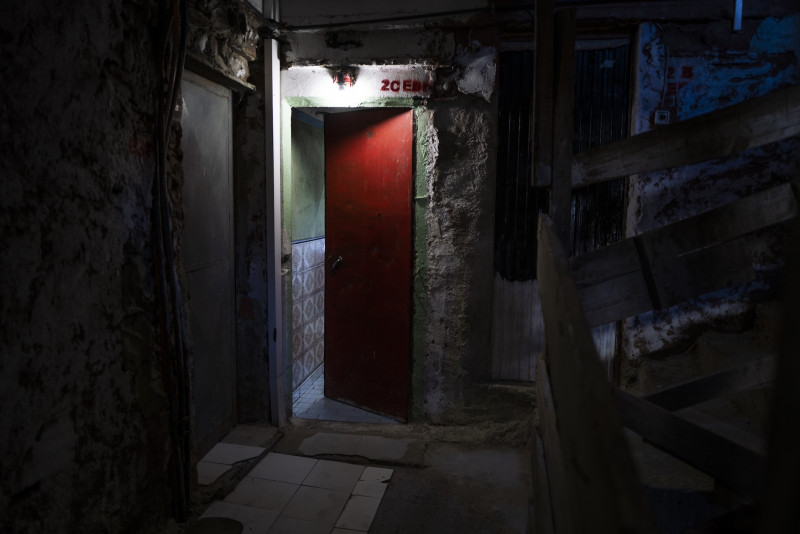
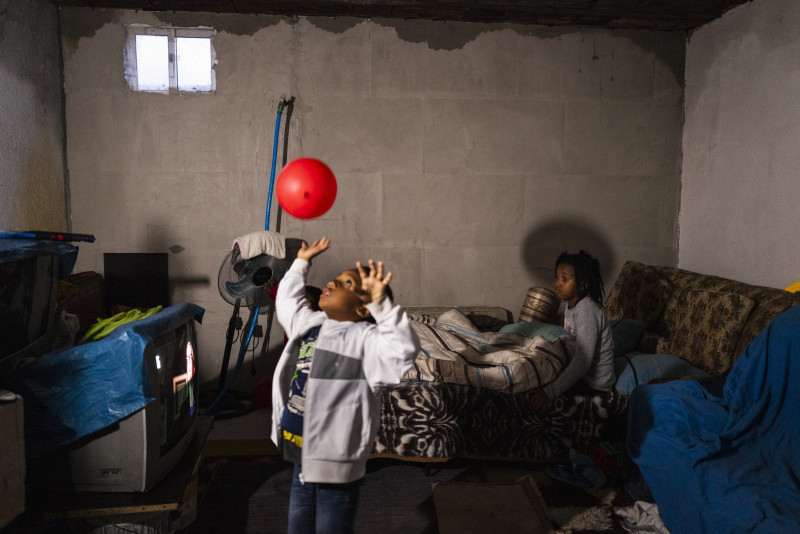
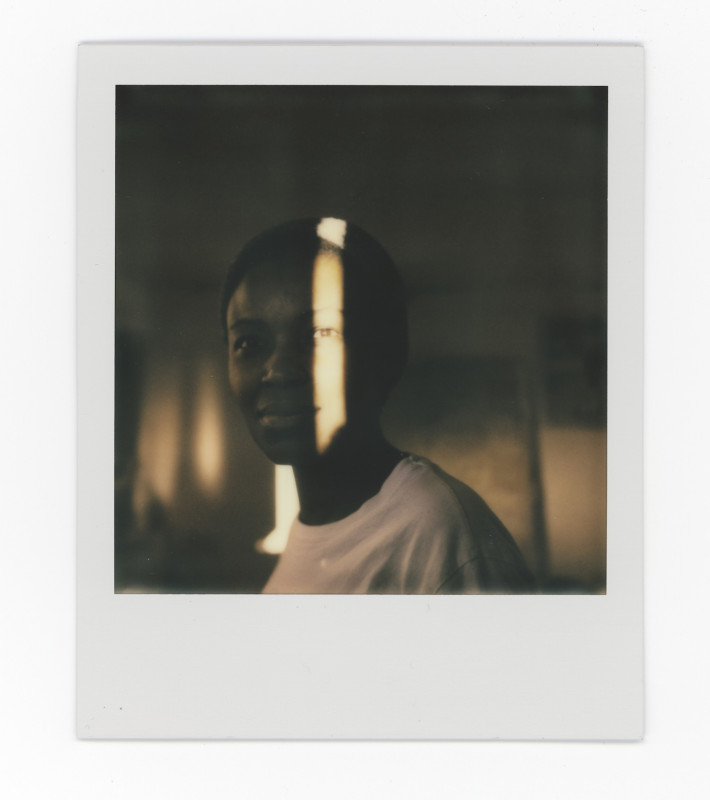
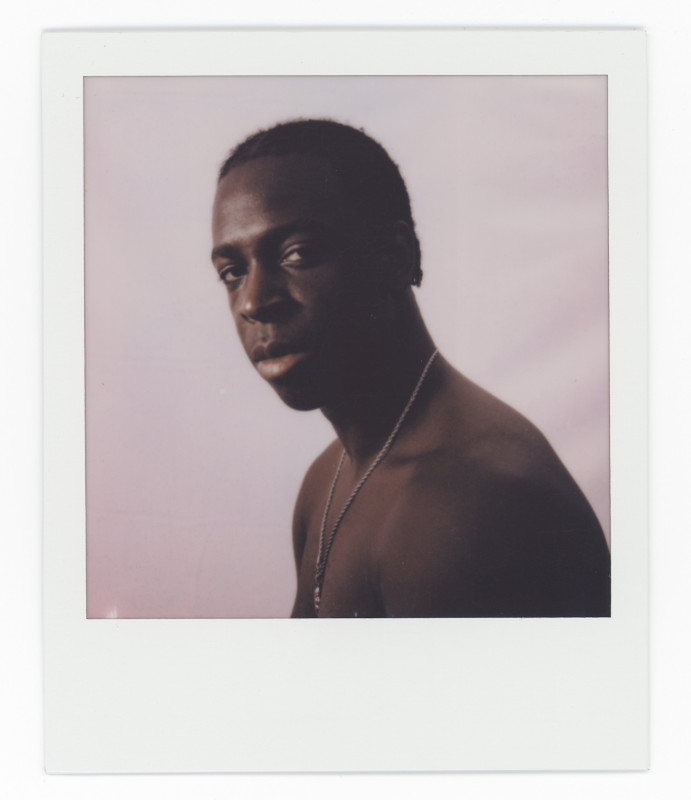
For the Bairro da Jamaica project sponsored by the National Geographic Society, the photographer spent a number of years following the struggles and daily lives of a group of marginalised emigrants, descendents of Africans from former Portuguese colonies sold into slavery in Jamaica. His documentary sketches an intimate portrait of the community, and serves to remember their lives and stories.
LFI: What exactly is Bairro da Jamaica, and what prompted you to document it over a number of years?
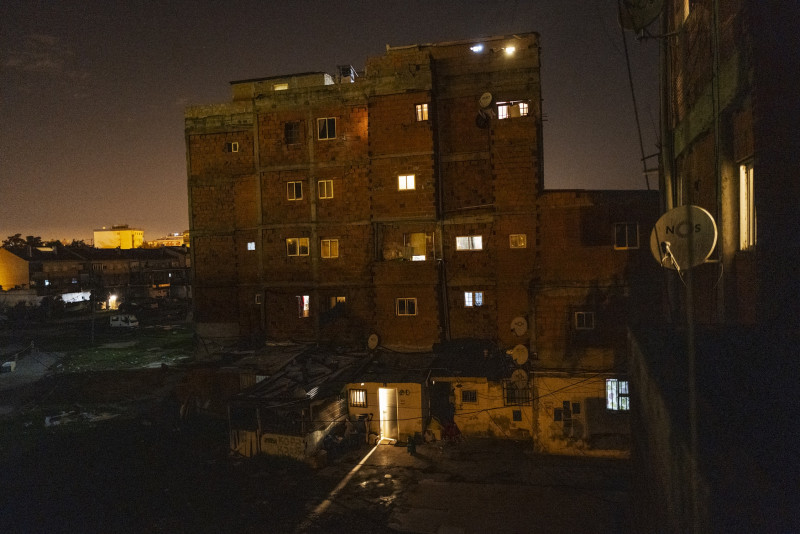
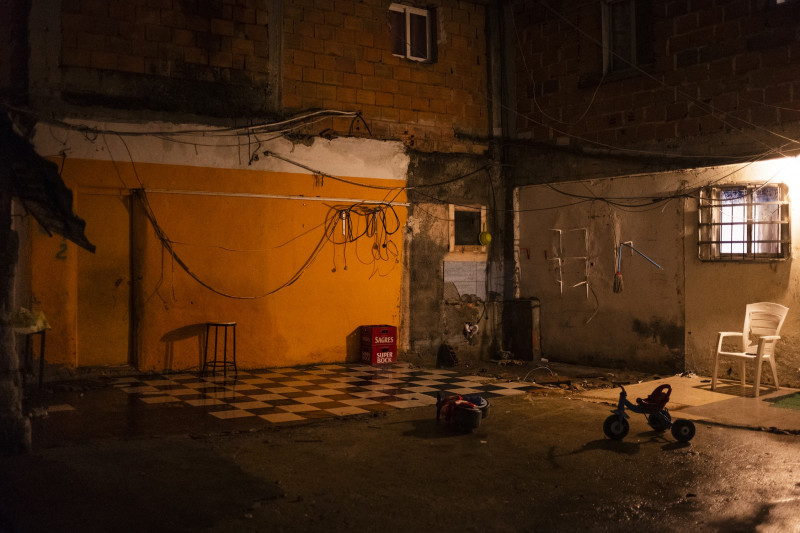
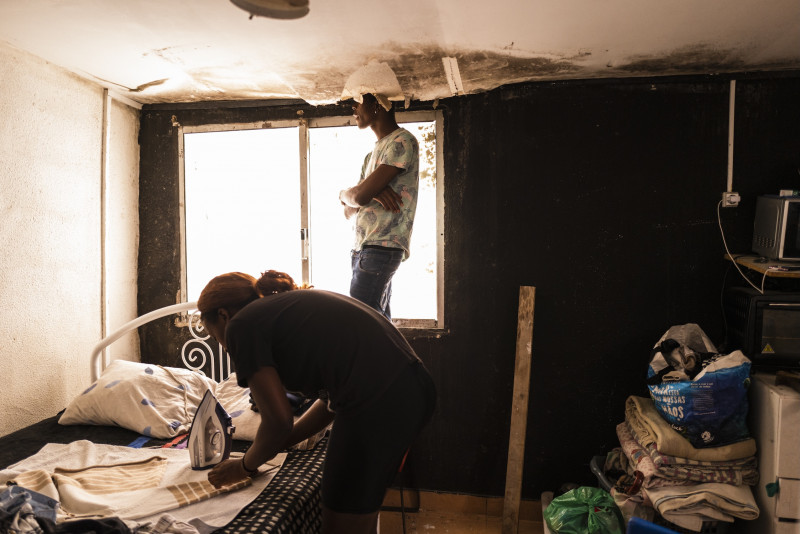
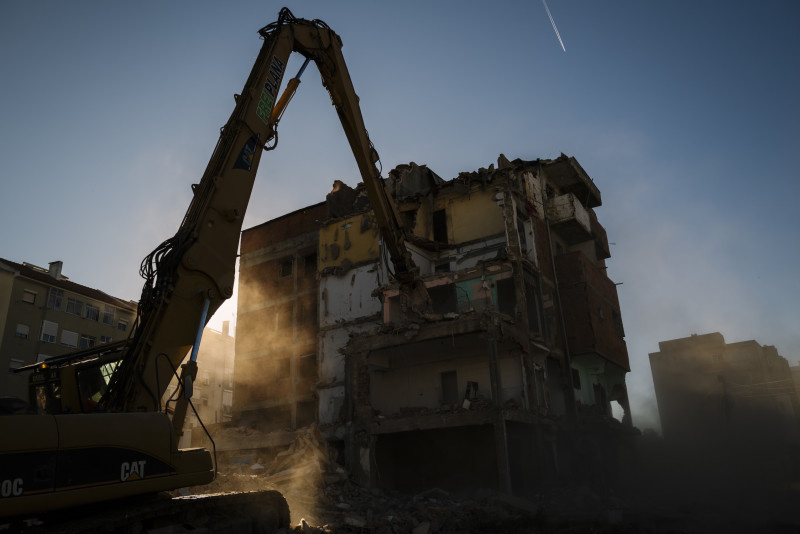
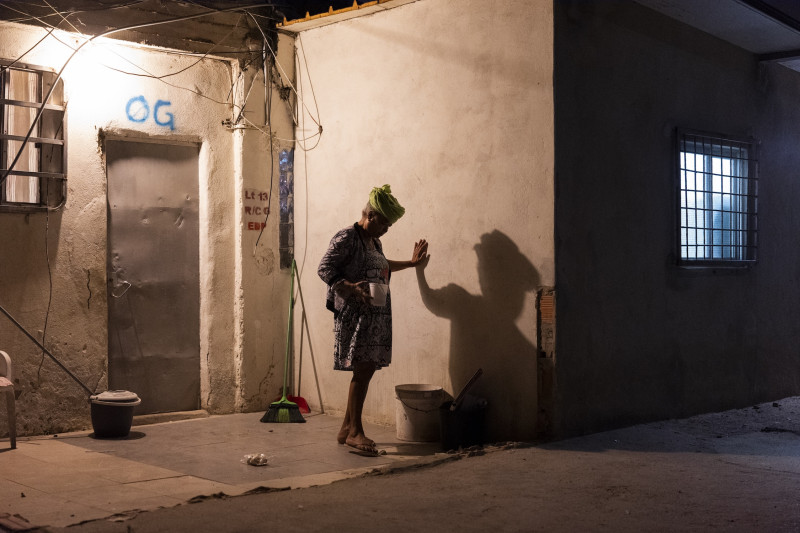
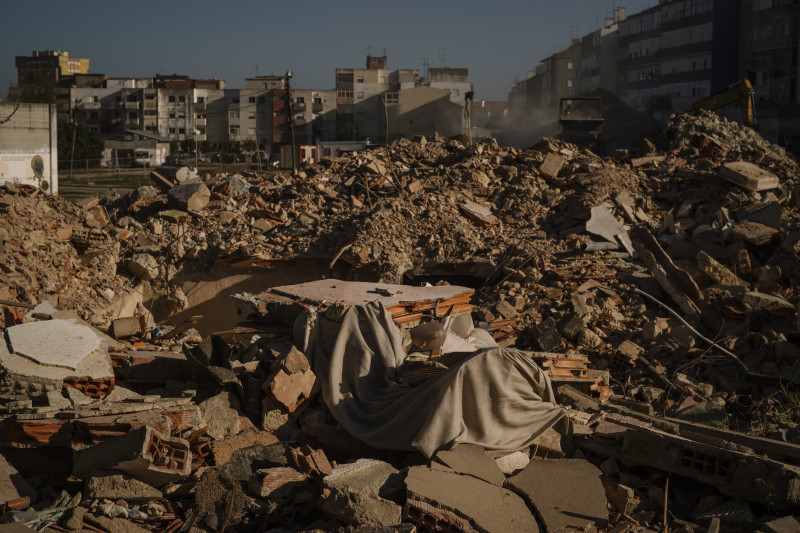
Bairro da Jamaica, is a neighbourhood in Seixal, on the outskirts of Lisbon, that emerged in the late 1970s, when migrants from former Portuguese colonies settled in abandoned and unfinished buildings, improvising homes in their struggle for dignified living conditions. For decades, the neighbourhood carried the weight of hardship, racial discrimination, and social marginalization, until it was largely demolished between 2022 and early 2024, with families relocated into improved housing. I first entered the community in June 2020, on assignment for Bloomberg, at the height of the COVID-19 pandemic. At that time, around 700 residents — most of them of African descent from former Portuguese colonies, along with their Portuguese-born second and third generations — called Bairro da Jamaica home. What began as a one-day report on housing, economy, and racial inequality quickly grew into something deeper and long term. I felt the urgency to tell a story that was not only about structural injustice, but also about resilience, memory, and belonging.
What photographic approach did you take? What did you want to show?
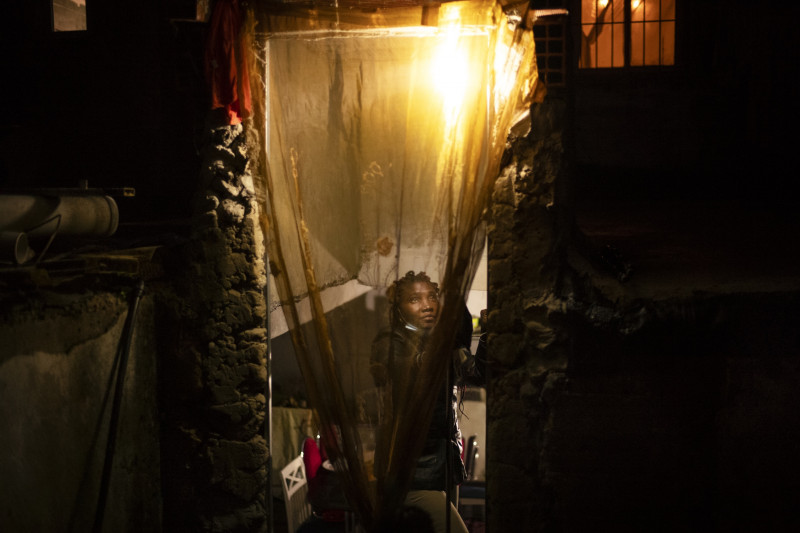
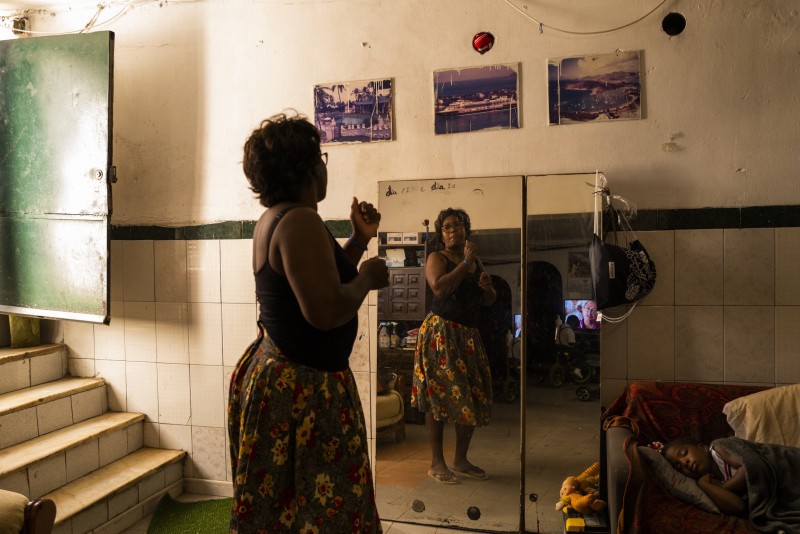
My main intention was to document the love, the struggle, and everyday life at the heart of the community, with a focus on its day-to-day intimacy. I wanted to build an in-depth portrait that went beyond the surface, countering the way Bairro da Jamaica had so often been depicted in the Portuguese media — reduced to headlines about crime or images of police raids. My approach was to stay close, to listen and to work with patience and respect, allowing moments of humanity, resilience, and intimacy to emerge naturally. In doing so, I sought to create a visual narrative shaped from within the community, rather than imposed from the outside.
The project is now complete, and the community has been able to move into better accommodation. Is this also a successful result of your work? Can photography bring about change?
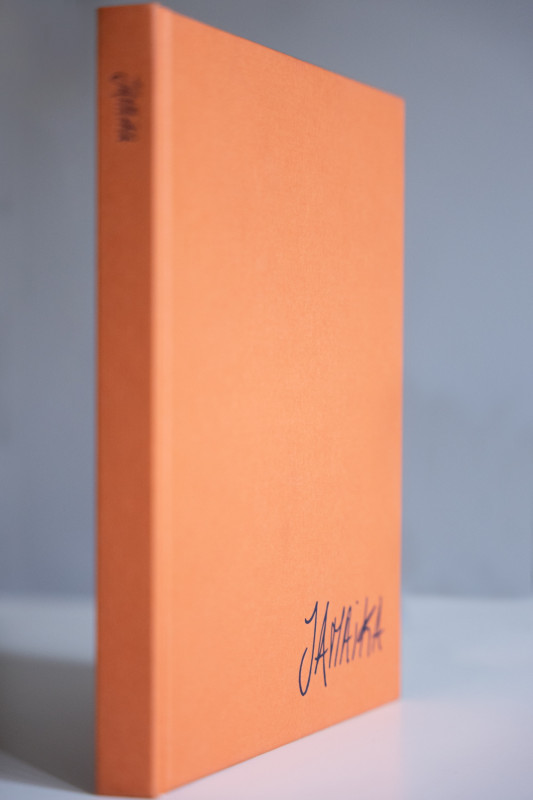
I believe documentary photography can inspire change, but it doesn’t necessarily alter people’s destinies nor transform lives directly. What it can do is shift perspectives, influence how people see the world, and that has always been the main goal of my work — the reason I have spent so many years documenting the intimacy of families. If it leads to broader or longer-term change, that is an added impact. The book, published once Bairro da Jamaica had already been demolished, documents the entire three-and-a-half-year process, including part of the relocation and early steps in the new homes. It serves as a memory of the community. For me, the greatest success of this work was the closeness I developed with everyone I documented — not only during the project itself but also through their active participation in every presentation and exhibition we held, from London and Porto to Lisbon.
Katja HübnerEQUIPMENT: Leica Q2 with Summicron 28 f/1.7 Asph, Leica M10-P, Summilux-M 35 1/1.4, Summicron-M 50 f/2, Leica SL2-S
Film and book+-
The long-term series resulted in a film (DocLisboa 2021), a large exhibition in the MAAT, as well as a photo book in 2024.
José Sarmento Matos+-
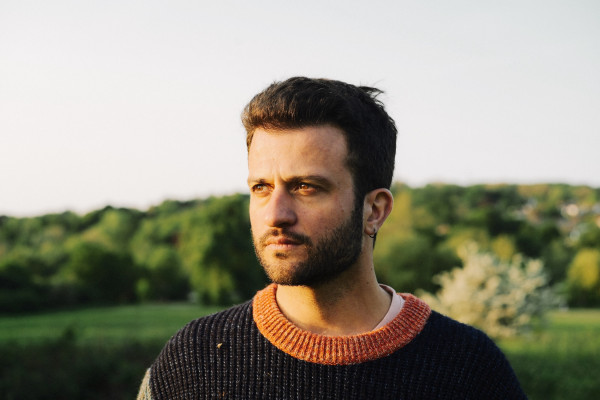
The Portuguese, London-based documentary photographer and film maker focuses on long-term storytelling dealing with topics such as identity, inequality, migration and the resilience of communities. In the last ten years, his work has appeared internationally is publications such as The New York Times, The Guardian, Le Monde, The New Yorker, Newsweek and The Washington Post. He was chosen by Magnum Photos as one of the “30 under 30” photographers, for his Turning the Page project. His three-year project, Where Do I Belong? Abandoning the Venezuelan Dream, received the 2020 Estação Imagem Award. More