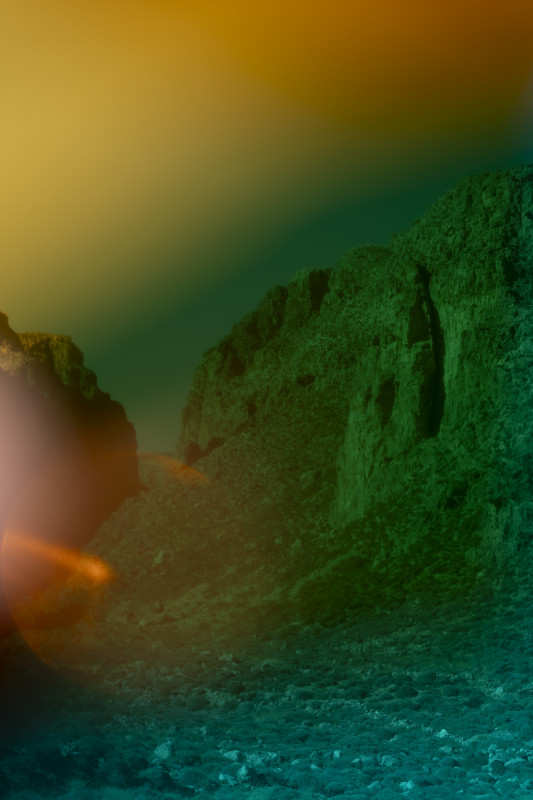
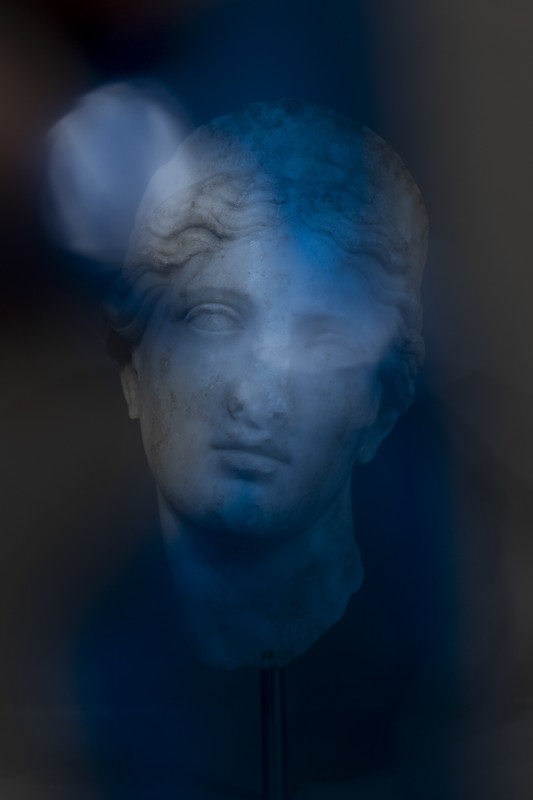
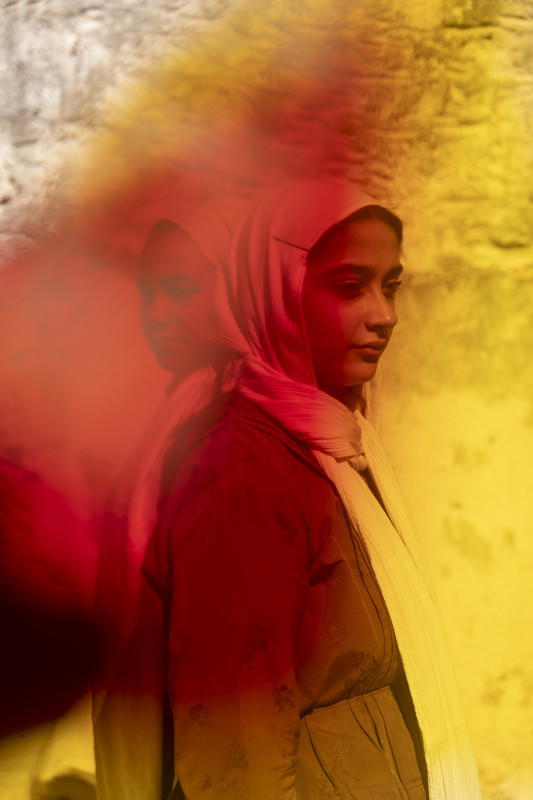
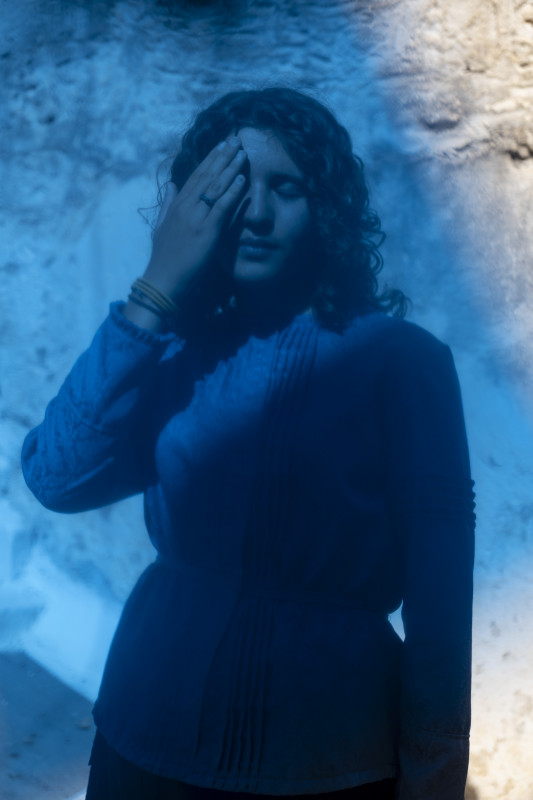
In search of traces of the Greek gods and myths, the photographer came across an interesting contrast between dreamlike imagination and reality.
Following an invitation from PhotoXenia to attend an artist residency, the photographer explored the relationship between the people of rural communities in Crete and their homeland, their history and nature. Her poetic images convey differing interpretations of the world.
LFI: What fascinates you about the Greek gods and myths, and what do your pictures reflect?
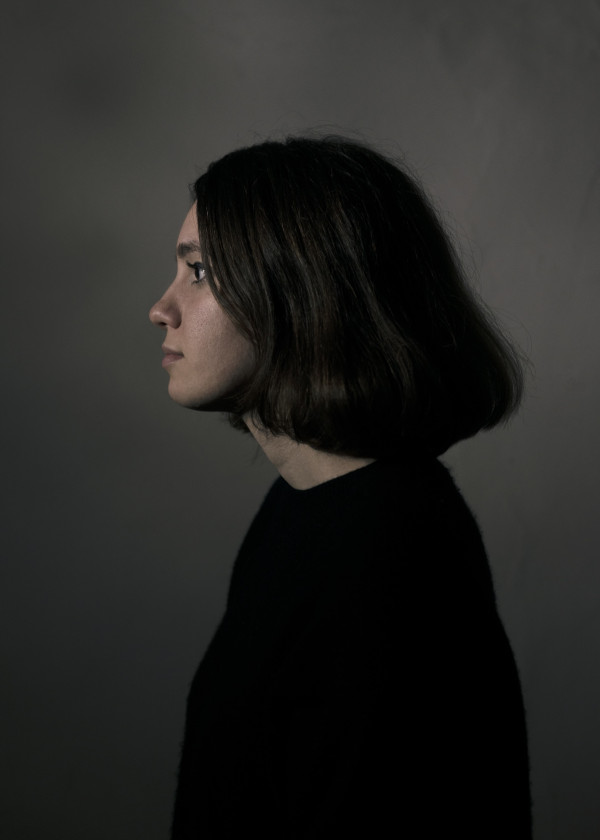
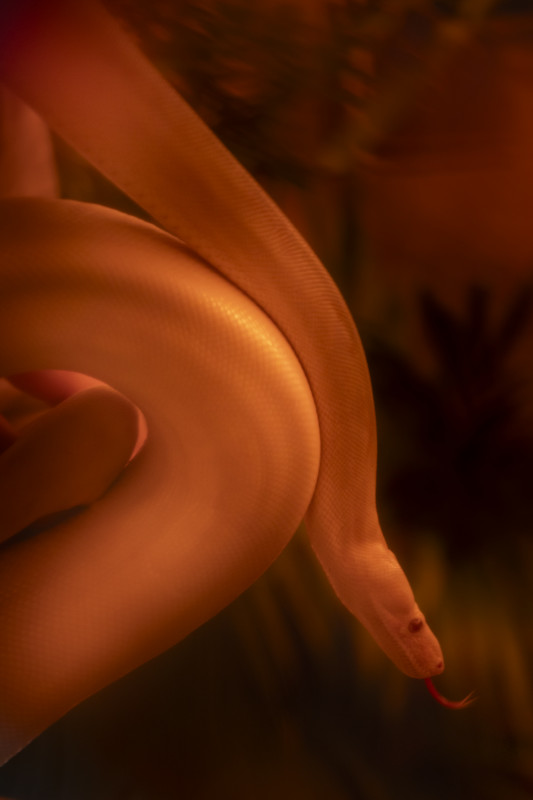
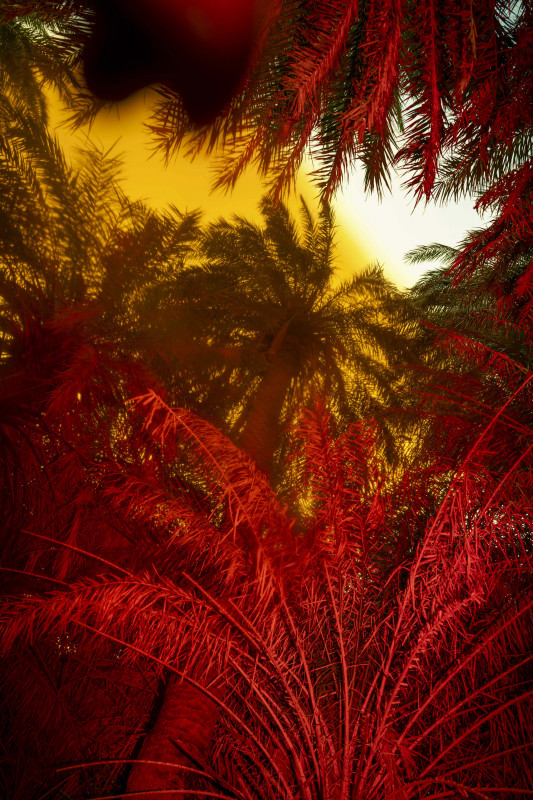
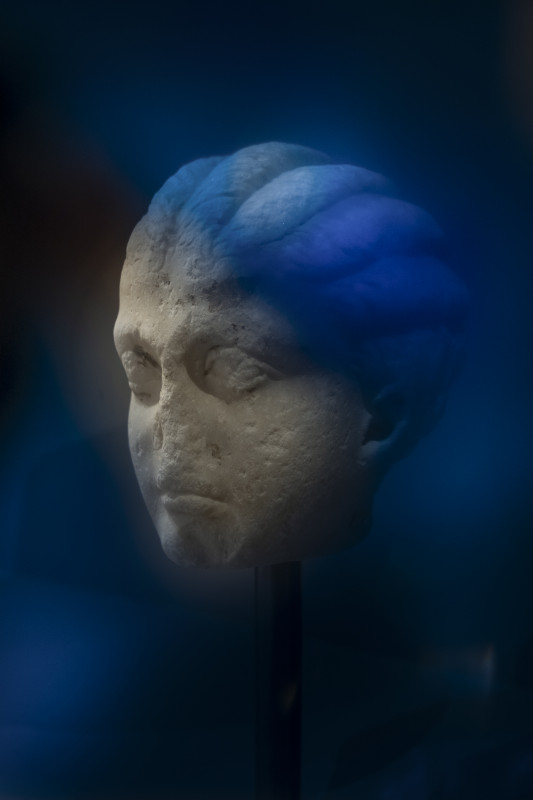
Alisa Martynova: I feel like Greek myths and stories of the gods are in our blood in some way. We all learn about them when we are kids and later at school. We know the legends almost by heart, and the expressions they inspire are still widely used. “Achilles’ heel”, “Pandora’s box”, “a Herculean task”. I hadn’t been to Greece before, so Crete, for me, was this sort of mythical land, haunted by the stories and legends that had taken place there. When I arrived, I stumbled upon a unexpected contrast: almost all of the historical buildings were gone or in ruins, and lines of luxury hotels now studded the coast. The name of the project reflects this decadence, and in my pictures I was trying to find a dreamy dimension of magic and spirit within a land overflowing with tourists.
What was your particular photographic approach?
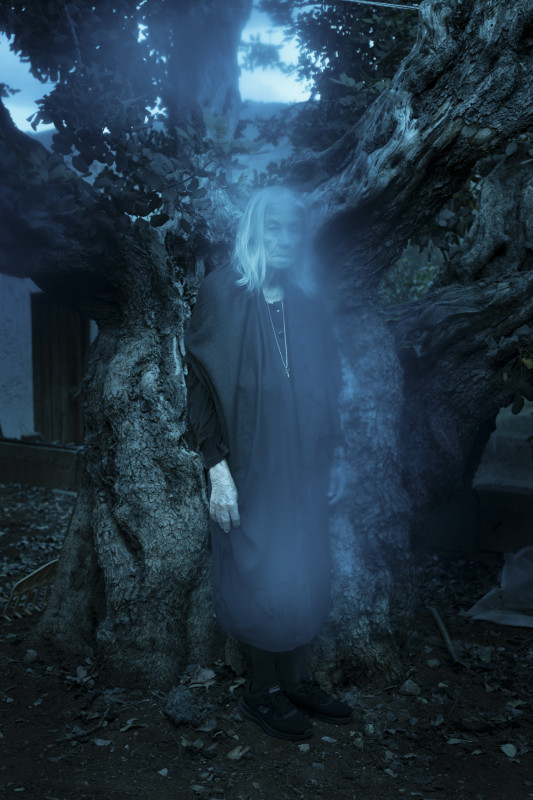
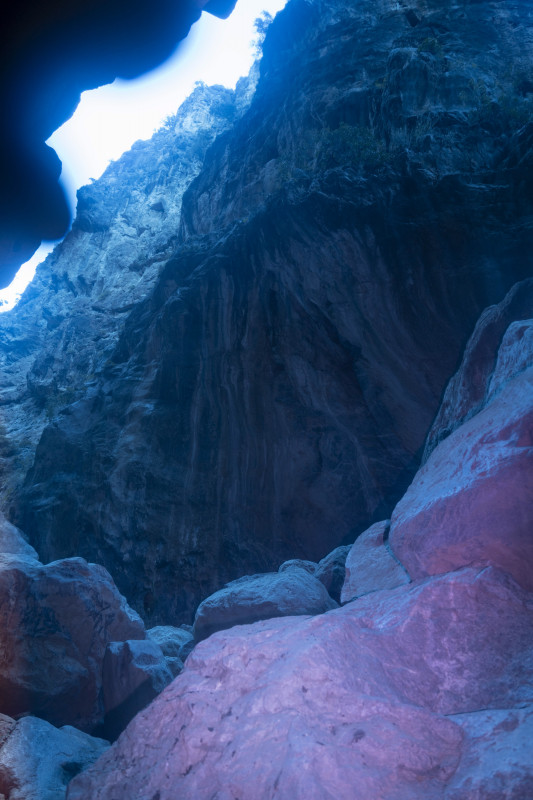
Since I didn’t know much about the place, my approach was very intuitive. I returned to a freer form of photography, letting my eye guide me through the island. I found my way to the rural parts of the island, small villages located in the mountains above the coast, in the heart of Crete. They offered a completely different rhythm of life: generations of Cretans lived there among olive groves, still connected to agricultural rhythms, relatively untouched by tourism. Most of the time, I went on road trips around the island. I had a small guidebook, and each morning I would set out to discover new places, I saw the severe consequences of climate change. One day, I followed directions to visit a “rushing gorge”, only to find it dried out.
How did the Leica SL2-S perform for your project?
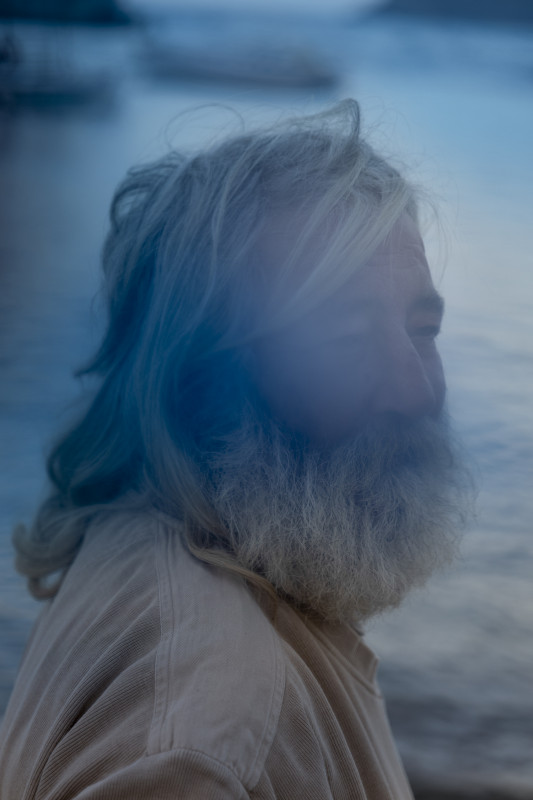
I’ve been working with Leica for a few years now, and I truly couldn’t ask for a better photographic companion. I’m quite demanding when it comes to equipment: I shoot all day long, often in challenging lighting, and I love using rich, strong colours. The Leica SL2-S with a 24–90mm zoom lens was perfect for the work. I was able to capture vast landscapes without missing details, but also take intimate portraits without distortion. The lens really allowed me to register the island’s dramatic light which can shift quickly from searing brightness to soft dusk. What I love about Leica’s rendering is this subtle softness, a kind of organic texture that mimics how we see the world. It allows the colours to breathe, to blend harmoniously, and that was especially important for this series.
It seems as though you were placing something over the surface of your images that gives reality a touch of transcendence.
Yes, that effect is largely achieved through the use of colourful gels and filters that I often incorporate into my work. They allow me to shift the perception of the image in-camera, not just in post-production, and that’s important to me. I want the transformation to happen in the moment, as part of the act of seeing. Initially, I was experimenting – trying out different filters to see how they would interact with the island’s palette. But as the project developed, I realized the filters became symbolic. They stood for different ways of seeing. For instance, I spoke with one woman who told me that the island, to her, was synonymous with freedom. Others spoke proudly of their ancestry linked to the Minoans. These filters, then, became a way of expressing how each person chooses a lens, a colour, through which they interpret their world.
Katja Hübner
LFI 7.2023+-
Find a selection of images from her project Hypnerotomachia Venetiae in LFI Magazine 7.2023. More
Alisa Martynova+-
Born in 1994, the documentary photographer currently lives in Florence, Italy, and is interested in universal themes, such as change, time and space, and dreams. She has dedicated her work to, among other things, the African migration in Europe and the complex relationship between people and new technologies. She has received broad recognition, including the Canon Young Photographers Award, the World Press Photo Award and the LensCulture Emerging Talent Award. She was nominated three time for the Leica Oskar Barnack Newcomer Award. Her work has been exhibited at festivals and in galleries such as Photo Brussels, Fotografia Europea, Cortona on the Move, and the Leica Galleries and Stores in Milan, Rome, Florence, and Bologna. More